By Katherine Matt, The Daily Signal | January 29, 2026
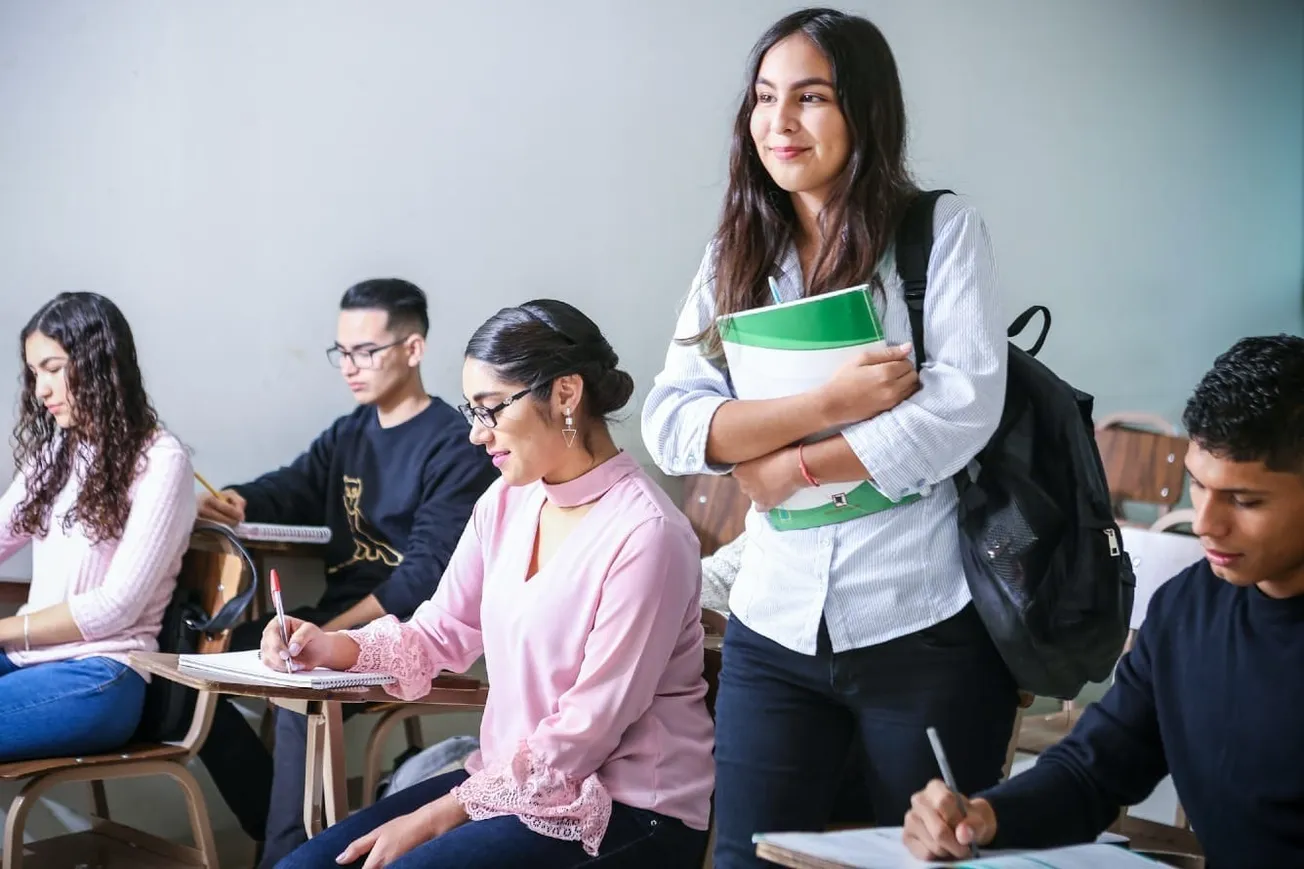
In recent years, many parents have begun questioning long-standing assumptions about traditional education. Concerns about bureaucracy, one-size-fits-all curricula, and institutional failures have eroded confidence in the public school system for many families.
Some parents are also increasingly wary of ideological instruction in public schools, particularly when it comes to gender ideology and sex education.
While debate over education is healthy in our society, a growing number of families believe the system has become less responsive to individual needs and more influenced by political and administrative pressures.
It is little surprise, then, that parents are looking for alternatives. For many families, homeschooling has moved from the margins to the mainstream.
The Shift Toward Homeschooling
Homeschooling is no longer a fringe educational choice. In the United States, an estimated 3.1 million students—about 6% of school-age children—are educated at home, and that number has grown steadily in recent years.
The COVID-19 pandemic accelerated this trend, forcing many parents to educate their children at home, which demystified homeschooling. Today, families cite flexibility, personalized pacing, and concerns about school culture and learning environments as reasons for choosing to homeschool.
What drives this shift is not just dissatisfaction with traditional schools. Many parents point to the academic and personal success of homeschooled students as reasons for making the switch.
Academic Outcomes and Personal Growth
Research consistently shows that homeschooled students perform well across multiple measures:
- Studies indicate that homeschooled students often score 15 to 30 percentile points higher on standardized tests than their conventionally schooled peers.
- Peer-reviewed research finds that homeschoolers outperform or match public-school students academically, with 78% of studies showing statistically significant better performance.
- Homeschool graduates often enroll in college at rates comparable to—or higher than—students from traditional schools and often succeed once enrolled.
- Beyond academics, homeschooled students are involved in community service, extracurricular activities, and social organizations, challenging the stereotype that homeschooling leads to isolation.
Parents and students alike report high levels of confidence, engagement, and satisfaction with the homeschooling experience.
Learning at an Individual Pace
One of homeschooling’s greatest strengths is its adaptability. In traditional classrooms, a standardized pace can leave advanced learners bored and struggling students behind. Homeschooling eliminates those problems.
Students can master subjects thoroughly before moving on, pursue interests beyond a standard curriculum, and develop self-directed learning habits that serve them well throughout life.
This flexibility supports not only academic growth but also personal development.
Many families see their homeschooled children become more confident, creative, and motivated when they are given the freedom to learn in ways that resonate with them.
Benefits Beyond Academics
Homeschooling is not solely just about test scores and college admissions. Its benefits extend into deep emotional and interpersonal development.
Parents who homeschool experience stronger family bonds and better communication.
Learning at home or in small group settings can also reduce exposure to bullying and peer pressure, creating safer learning environments.
In addition, homeschoolers are offered more freedom to structure days around peak focus times and unique learning styles. Rather than waiting for hours in lines for the bathroom or waking up two hours early to catch a bus, homeschoolers have more individualized schedules, leading to more efficient and productive uses of time.
Dispelling the Socialization Myth
One of the most persistent criticisms of homeschooling is the belief that homeschooled children lack social skills. In reality, this stereotype does not reflect the modern homeschooling landscape.
Today’s homeschoolers regularly participate in sports teams, co-ops, volunteer programs, internships, faith-based groups, clubs, and community organizations. These opportunities allow students to interact with people of all ages rather than being confined to a single peer group.
Researchers and colleges report that homeschooled students demonstrate strong communication skills, maturity, and confidence in social settings. Far from being socially isolated, many homeschoolers are proving to be well-rounded, articulate, and fully prepared to engage with the world around them.
Growing Government Scrutiny
Despite its growth and success, homeschooling faces increased scrutiny from government bodies and state agencies. In several states and countries, lawmakers have proposed tighter regulations, expanded reporting requirements, and additional restrictions that would make homeschooling more difficult.
Supporters of these measures often cite “accountability,” while many parents view them as attempts to reassert control over education and limit parental involvement.
Overregulation of homeschooling threatens to undermine one of the few educational models that truly prioritizes individual development and family choice.
Limiting homeschooling risks forcing parents back into systems they believe are failing to meeting their children’s needs.
A Personalized Path Forward
Education should serve students, not the other way around.
As traditional systems struggle with bureaucratic challenges and fail to adapt to the needs of individual students, homeschooling stands out as a flexible and effective option for many families.
No educational path is perfect, and homeschooling might not be the right choice for everyone. Still, the evidence and stories are clear: When parents take an active role in their children’s education and tailor learning to their individual needs, kids don’t just succeed—they thrive.
Homeschooling is no longer just an alternative. For many families, it’s the best path to raising educated, confident, and resilient individuals ready for the challenges of today’s world.
Katherine Matt is an intern for The Daily Signal.
Original article link