Moonshot AI’s latest model, Kimi K2.5, has sharply narrowed the artificial intelligence gap between China and the United States, raising new doubts about the effectiveness of U.S. export controls under President Donald Trump.
Analysts say the Beijing-based start-up’s progress suggests Washington’s restrictions on advanced semiconductors have slowed China but failed to stop it from keeping pace with American rivals.
🥝 Meet Kimi K2.5, Open-Source Visual Agentic Intelligence.
— Kimi.ai (@Kimi_Moonshot) January 27, 2026
🔹 Global SOTA on Agentic Benchmarks: HLE full set (50.2%), BrowseComp (74.9%)
🔹 Open-source SOTA on Vision and Coding: MMMU Pro (78.5%), VideoMMMU (86.6%), SWE-bench Verified (76.8%)
🔹 Code with Taste: turn chats,… pic.twitter.com/wp6JZS47bN
Kyle Chan of the Brookings Institution said Chinese firms appear to have offset hardware limits with strong funding and efficiency gains.
Independent benchmarks by Artificial Analysis show Kimi K2.5 trailing top U.S. models from OpenAI, Anthropic, and Google DeepMind by only a few points, while costing far less to operate.
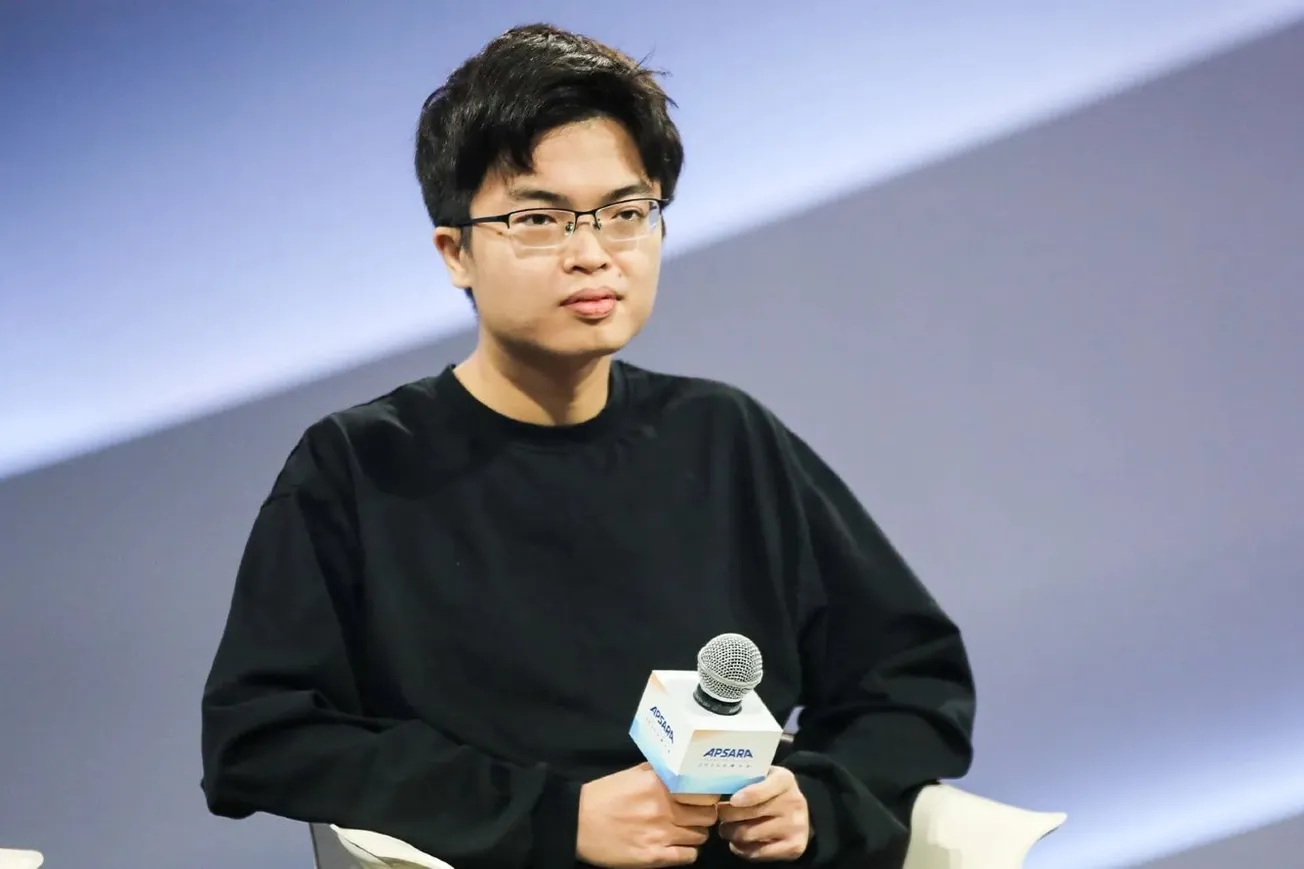
Here's a short video from our founder, Zhilin Yang.
— Kimi.ai (@Kimi_Moonshot) January 27, 2026
(It's his first time speaking on camera like this, and he really wanted to share Kimi K2.5 with you!) pic.twitter.com/2uDSOjCjly
Moonshot has also released the model as open source, allowing global developers to use it freely.
The move challenges U.S. companies that rely on closed, subscription-based models. Analysts say the release underscores China’s fast-follower strategy in advanced AI development.
Also read:
 TIPP Staff