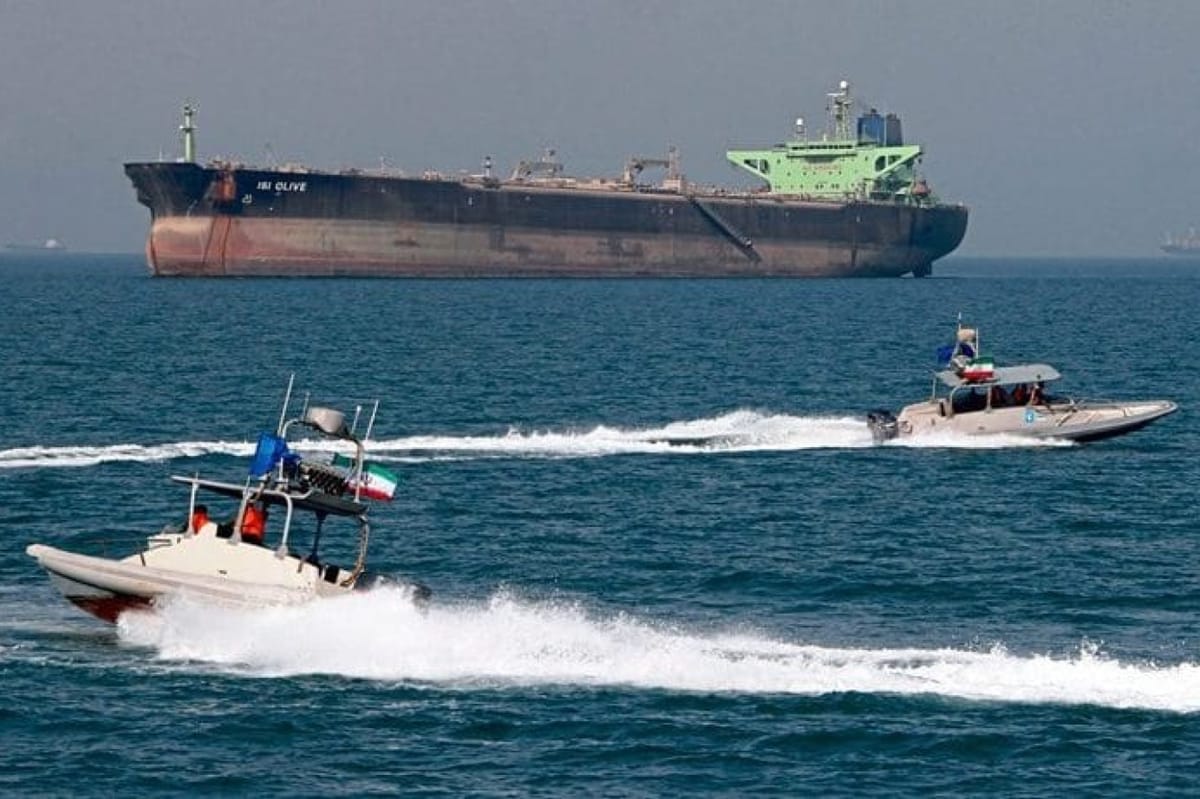
The war involving Iran is creating new risks for the global auto industry by threatening the flow of key materials used in vehicle production. While the region does not manufacture many auto parts, it plays a major role in supplying oil and aluminum, both critical to car manufacturing.
About 20 percent of the world’s oil passes through the Strait of Hormuz, according to the U.S. Energy Information Administration.
Where the auto supply chain is most threatened by the Iran war https://t.co/ndv6Q4ROm6
— CNBC (@CNBC) March 11, 2026
Rising tensions in the region have pushed oil prices above $100 per barrel, increasing fuel and transportation costs. Gas prices across the United States have already risen in recent weeks, GasBuddy analyst Patrick De Haan told CNBC.
Higher oil prices also raise the cost of petrochemicals used to produce plastics, which make up roughly 30 percent of vehicle components. The Gulf region also produces large amounts of aluminum, a lightweight metal widely used in modern vehicles.
Analysts warn that supply disruptions could further strain automakers already facing ongoing global supply chain challenges.
Also Read:
 TIPP Staff