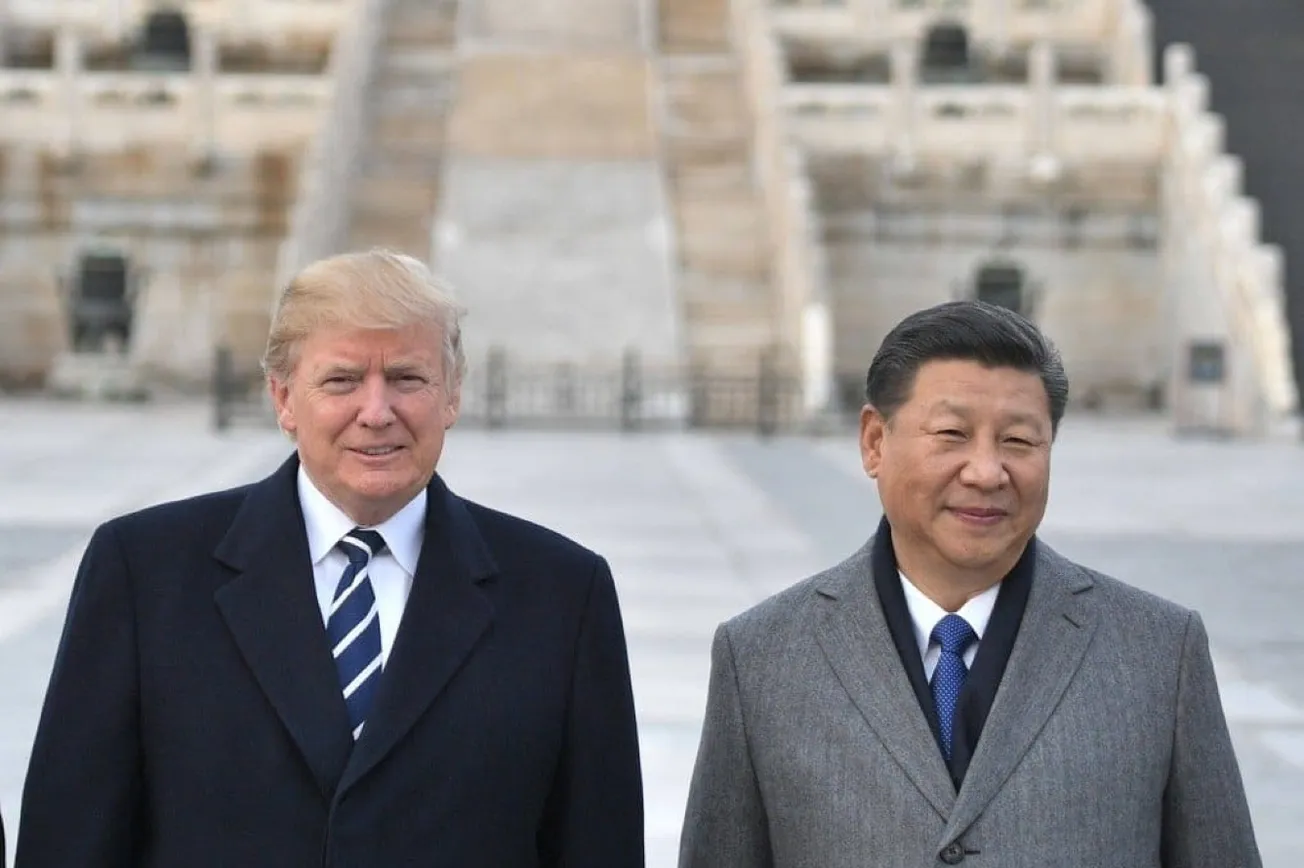
A new Asia Society report warns that China will enter 2026 facing heavy economic strain and a tense stalemate with the United States, despite recent diplomatic calm following President Donald Trump’s meeting with Xi Jinping.
The analysis says any stability is fragile because both nations are racing to cut each other out of critical technologies, from rare earths to advanced semiconductors.
China heads into 2026 with economic strains, uneasy US rivalry: Asia Society https://t.co/085ERRMcgY
— South China Morning Post (@SCMPNews) December 10, 2025
Beijing’s deeper challenge, the report argues, is internal. Xi Jinping’s push for political control, national security, and tech self-reliance is colliding with weak consumption, soaring local debt, a collapsing property market and worsening demographics. These pressures risk turning China’s governance model from resilient to rigid.
The report expects rising social tensions, a risk-averse bureaucracy, and continued military pressure on Taiwan that could further destabilize the region.
With more than 200 million Chinese in precarious work and youth unemployment still high, analysts say China’s greatest vulnerabilities in 2026 may come from within.
Also read:
 TIPP Staff
 TIPP Staff
 TIPP Staff