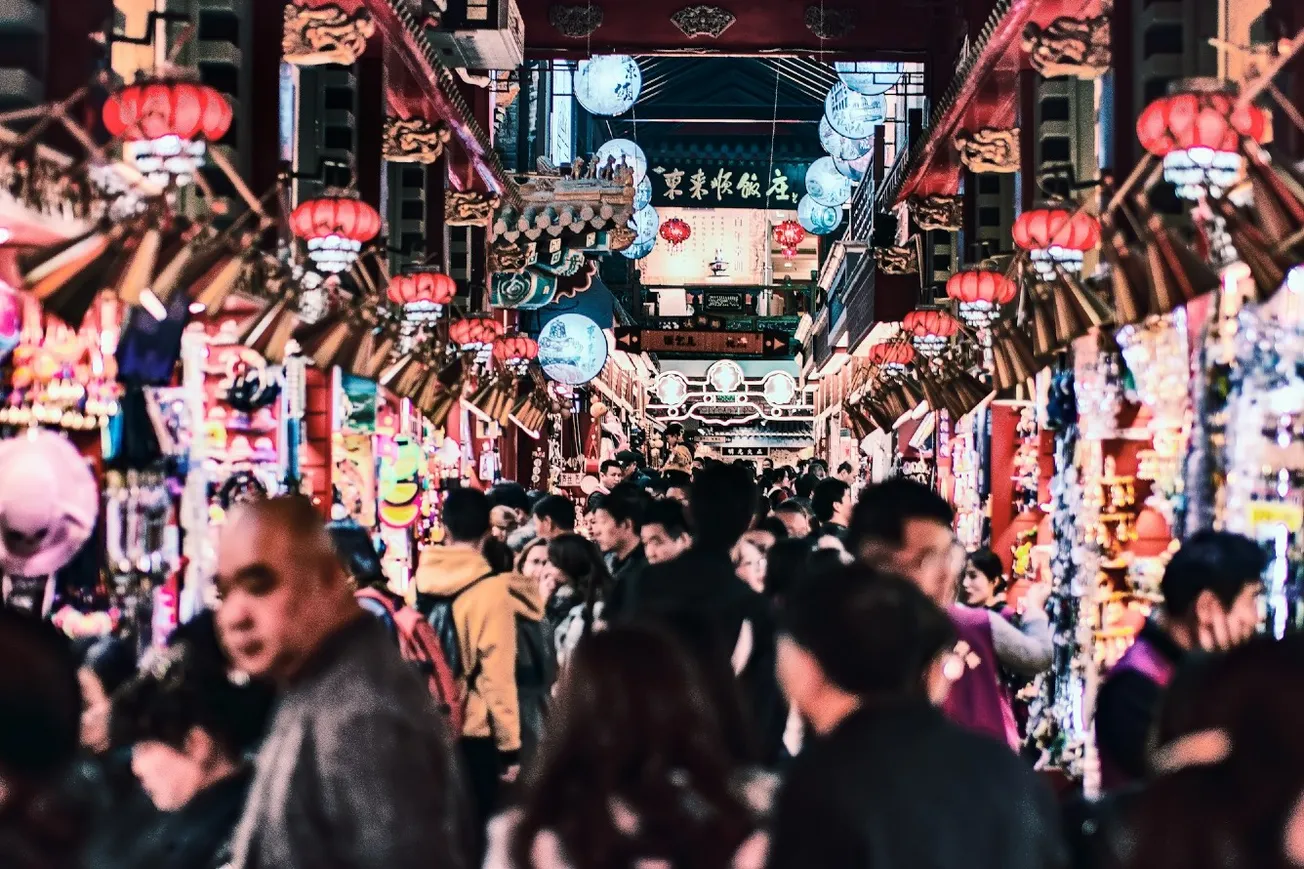
China’s Singles’ Day shopping festival posted slower growth this year as frugal consumers pulled back amid weak economic conditions, according to Syntun data reported by CNBC.
China's Singles' Day sales festival is ending after more than a month of promotions on the country's largest e-commerce platforms, which failed to spark widespread consumer excitement during the world's largest shopping event. Read: https://t.co/f9zeKk8YzU pic.twitter.com/WIKaS6yUIF
— Reuters Business (@ReutersBiz) November 12, 2025
Total sales across platforms reached 1.695 trillion yuan, or about $238 billion, a 14.2 percent increase from last year but far below the 26.6 percent jump seen in 2024. Analysts said shoppers are becoming more selective and value-driven as China’s broader economy cools.
Major platforms leaned heavily on extended promotions and artificial intelligence tools. JD.com reported record transaction volume and a sharp rise in orders and users.
When tech heavyweight Alibaba launched #SinglesDay on Nov 11 in 2009, it was just a 24-hour promotional event. But its rapid evolution over the past 16 years has seen it stretch into a nearly four-week extravaganza and become the world's biggest online #shopping gala.
— China Daily (@ChinaDaily) November 13, 2025
This… pic.twitter.com/jTCK2rRx32
Alibaba stretched its sales window through Nov. 14. Together with TikTok Shop, the platforms generated 67 billion yuan in instant retail sales, a 138 percent surge.
Still, categories such as mother-and-baby products underperformed, while home appliances and electronics led overall spending. The results underline China’s uneven consumer recovery heading into the final quarter of the year.
Also read:
 TIPP Staff
 TIPP Staff