By Richard Haass, Project Syndicate | Sep 29, 2025
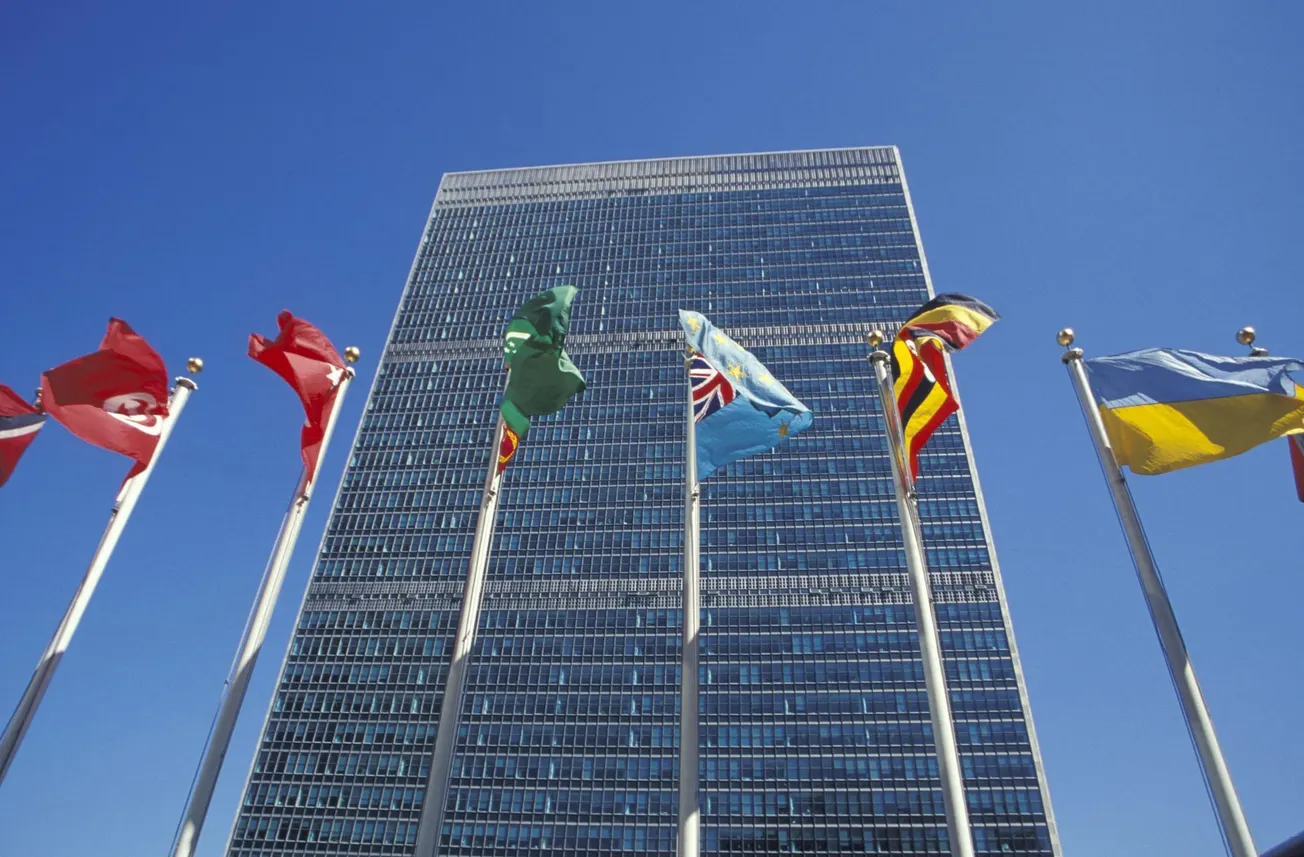
The United Nations is now 80, and its long slide toward irrelevance appears unstoppable. The design of the Security Council has become a recipe for paralysis, but that is only the start of the organization's problems.
NEW YORK – Five years ago, I wrote a commentary about the United Nations as it turned 75. The title, “The UN’s Unhappy Birthday,” said it all. The UN is now 80, but my critique back then remains all too valid today. The UN’s slide into near-irrelevance continues unabated.
The annual September gathering of world leaders in New York, which has just ended, is less important for what the UN does (which is little in the realm of preventing or ending wars) than for what it provides, namely a venue for all sorts of bilateral and multilateral meetings among the high-level visitors. Think of it as Davos for diplomats.
But the UN itself is a victim of chronic malaise, owing above all to the resurgence of great-power rivalry. The state of international affairs today is a far cry from what it was in 1990 when the world came together through the UN in the aftermath of Iraq’s invasion and occupation of Kuwait.
Back then, the Soviet Union and China worked with the United States; today, Russia and China prevent the UN from playing a role in ending the war in Ukraine, in which Russia is both the protagonist and the cause. Major divisions within the UN Security Council prevent the organization from constructively addressing most major issues, from North Korea’s expanding nuclear arsenal and Iran’s nuclear ambitions to the war in Gaza and other conflicts around the world.
The UN has failed to evolve. I doubt anyone would design the Security Council, the most important UN organ, in a way that resembles its current iteration. Yes, most would agree that China and the US should retain their veto-wielding permanent seats. But some might question why Russia, with an economy smaller than that of Brazil or Canada, and which acts in ways inconsistent with the UN charter, deserves one.
TIPP Insights brings you both: world-class syndicated voices and our own sharp, data-driven reporting. Join today → $99/year.
Many would also challenge the case for continuing to include the United Kingdom and France. And there would be advocates for Japan, Germany (or the European Union), India, and several others. All that said, any change would be opposed by at least one of the five current permanent members, which is why no meaningful change is ever likely to materialize.
Beyond the Security Council, the organization rarely does itself any favors. It puts countries that are abusers of human rights on bodies meant to protect them. It failed to stand up to China when the Chinese government refused to cooperate and allow a serious investigation into the outbreak of the COVID-19 pandemic. And the organization’s bureaucracy too often runs on the basis of a global spoils system rather than merit. Accountability is rare.
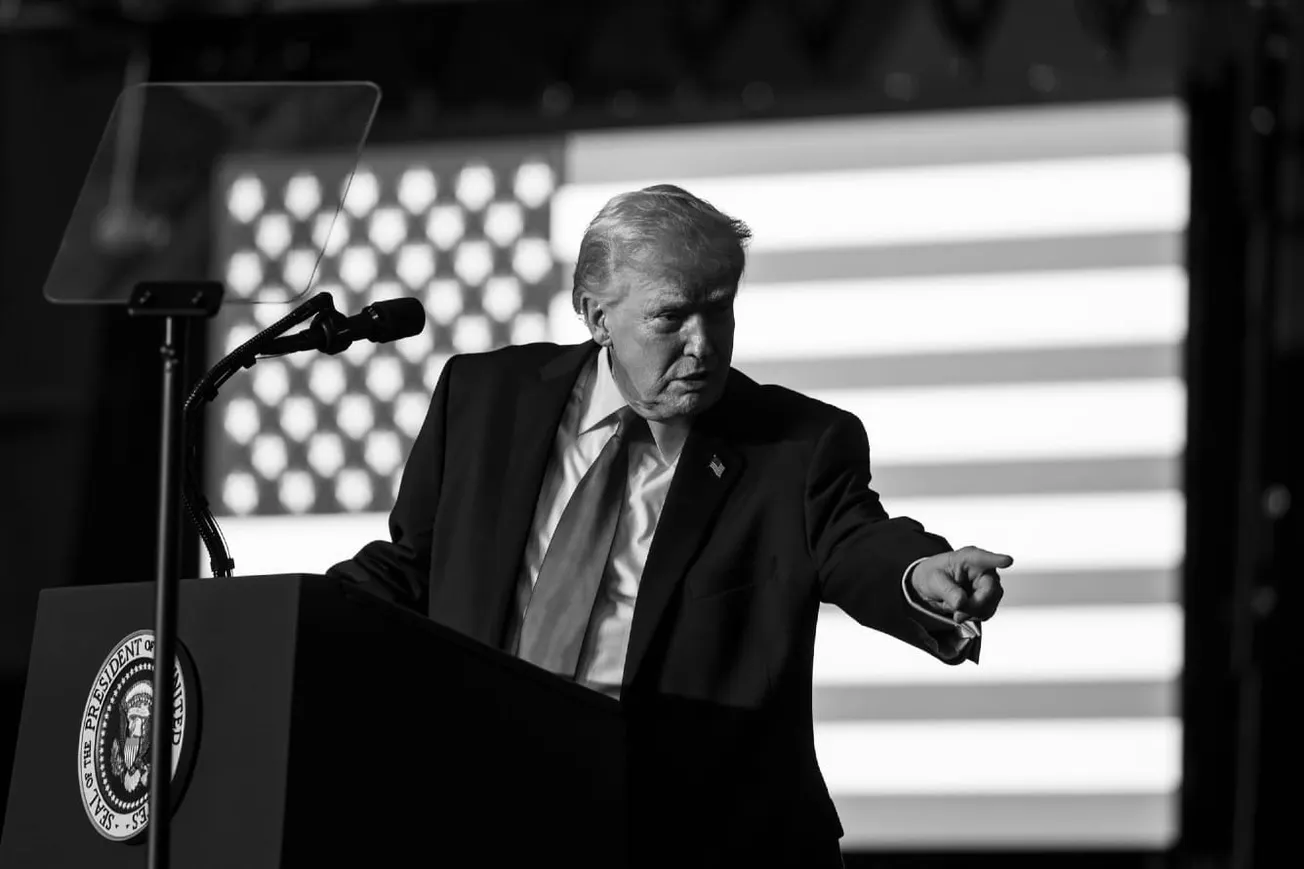
And now the US, the driving force behind the UN’s creation, its host and biggest funder throughout its existence, has distanced itself from the organization. Under President Donald Trump, the US no longer supports multilateral efforts to deal with issues ranging from global health and trade to climate change and human rights – and indeed questions the value of the very international order it did so much to build.
The Middle East is a special case of UN shortcomings. There is a long-term bias against Israel, one that far predates Israeli actions in Gaza and limits the UN’s ability to play a central role in efforts to resolve Middle East conflicts. Events this past week did not help matters, as several countries, including France, the UK, Canada, and Australia, chose to use the annual UN opening as an opportunity to recognize a Palestinian state.
Behind this move is deep and understandable frustration with what Israel is doing in Gaza and the West Bank, with their own inability to influence Israeli actions, and with what is seen as US passivity and unwillingness to rein in Israel. Hence, the recognition of Palestine is the best (or least) these governments felt they could do.
But understandable does not necessarily mean wise. One problem is that the decision to recognize a Palestinian state is just a rhetorical shift; it does nothing to improve the prospect of ending the war in Gaza or actually creating a viable Palestinian state.
The bigger problem, though, is that recognition risks making a bad situation worse by reinforcing the feeling among Palestinians that they do not have to earn a state through constructive actions and statements, not to mention negotiation with Israel. Moreover, further recognition of Palestinian statehood will likely lead this Israeli government to respond in ways that will prove decidedly unhelpful to long-term peace.
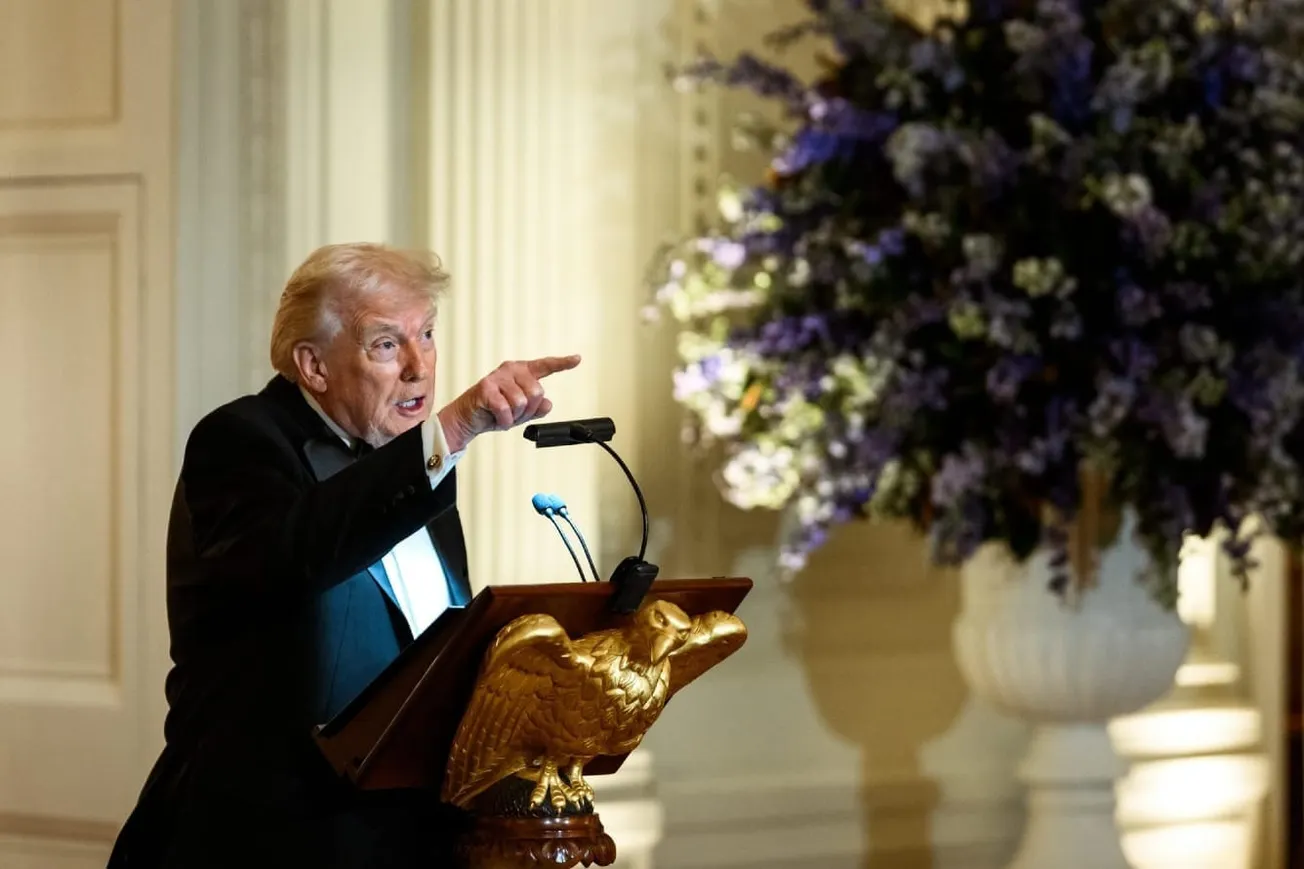
Trump’s rambling address to the UN was not well received, owing to his attacks on Europe over immigration and his denial of climate change. But some of his other criticisms of the organization were well-founded. He was not wrong when he said, “It has such tremendous, tremendous potential, but it’s not even coming close to living up to that potential. For the most part, at least for now, all they seem to do is write a really strongly worded letter and then never follow that letter up.”
Until the UN is prepared to do more, it will continue to be sidelined, and the gap between the world’s challenges and its capacity to meet them is likely to widen. I concluded my commentary five years ago with the following words: “The case for multilateralism and global governance is stronger than ever. But, for better or worse, it will have to take place largely outside the UN.” Unfortunately, I see no reason to revise that conclusion now.
Richard Haass, President Emeritus of the Council on Foreign Relations, senior counselor at Centerview Partners, and Distinguished University Scholar at New York University, previously served as Director of Policy Planning for the US State Department (2001-03), and was President George W. Bush's special envoy to Northern Ireland and Coordinator for the Future of Afghanistan. He is the author of The Bill of Obligations: The Ten Habits of Good Citizens (Penguin Press, 2023) and the weekly Substack newsletter Home & Away.
TIPP Takes
Geopolitics, Geoeconomics, And More
1. U.S. Considers Long-Range Missiles For Ukraine - TIPP Insights
President Trump is considering a request from Ukraine for long-range Tomahawk missiles which could bring major Russian cities within reach and weaken Russia’s military industry.

Washington has become increasingly frustrated by Moscow’s intransigence over bilateral and trilateral talks with Kyiv. It is now looking at providing Kyiv with Tomahawk missiles, according to Vice President JD Vance.
2. What To Know About Trump’s 20-Point Gaza Peace Plan - TIPP Insights
Israeli Prime Minister Benjamin Netanyahu has accepted Donald Trump’s plan to end the war in Gaza, while Hamas has yet to issue an official response.

3. France’s Wealthiest Face Higher Tax Calls As Deficit Widens - TIPP Insights
Debate is raging in France on whether the wealthy should shoulder a bigger role in filling government coffers, as the country grapples with the largest deficit in the euro area.

4. The "Staggering Scale" Of Iran’s Rising Executions - TIPP Insights
The UN says they are appalled by an escalation of executions in Iran, with more than 1,000 people killed during the first nine months of 2025. Recent weeks have seen an average of nine hangings per day.

5. Trump Administration Deports 120 Iranians Under Rare U.S.-Tehran Deal - TIPP Insights
The Trump administration has deported 120 Iranians to Tehran as part of a rare U.S.-Iran agreement. The flight, which departed Louisiana on Monday night, marked the first step in a larger plan to return approximately 400 Iranians.

Iranian officials said most deportees had entered the U.S. illegally, often through Mexico. Some had their asylum claims denied, while others had yet to appear before a judge. A portion volunteered to leave after time in detention centers, though many were deported against their will.
6. North Korea Vows To 'Never Give Up' Nuclear Weapons At United Nations - UPI
A senior North Korean diplomat vowed that Pyongyang would "never give up" its nuclear weapons in a rare address to the United Nations General Assembly on Monday.

Speaking during the General Debate, Vice Foreign Minister Kim Son Gyong said that imposing denuclearization on the North is "tantamount to demanding it to surrender sovereignty and right to existence."
7. Abortion Numbers Fall Nationwide, Guttmacher Institute Reports - TIPP Insights
Abortions provided by clinicians in the United States fell in the first half of 2025, marking a shift after two years of increases, according to new data from the Guttmacher Institute. The decline, about 5% compared to the same period in 2024, amounts to roughly 4,700 fewer procedures each month.

Florida accounted for more than 40% of the national drop, with its six-week ban causing a 27% decline in clinician-provided abortions. Other states with early gestational limits and those bordering total bans also saw steep reductions.
📊 Market Pulse — Sep 30, 2025
📈 S&P 500 — 6,688.45 ▲ +0.41%
Stocks advanced, continuing their September rally despite looming shutdown worries.
📉 10Y Treasury — 4.15% ▲ +0 bp
Yields edged higher as investors balanced Fed cut bets with political uncertainty.
🛢️ Crude Oil — $63.45 ▼ -3.46%
Oil tumbled, pressured by supply overhang and softer demand signals.
💵 US Dollar — 97.80 ▼ -0.11%
The dollar softened slightly, pressured by rate-cut expectations.
🪙 Bitcoin — $114,448.74 ▲
Bitcoin was little changed, consolidating within its recent trading band.
💰 Gold — $3,833.27 ▲ +1.71%
Gold climbed to fresh records as safe-haven demand stayed strong.