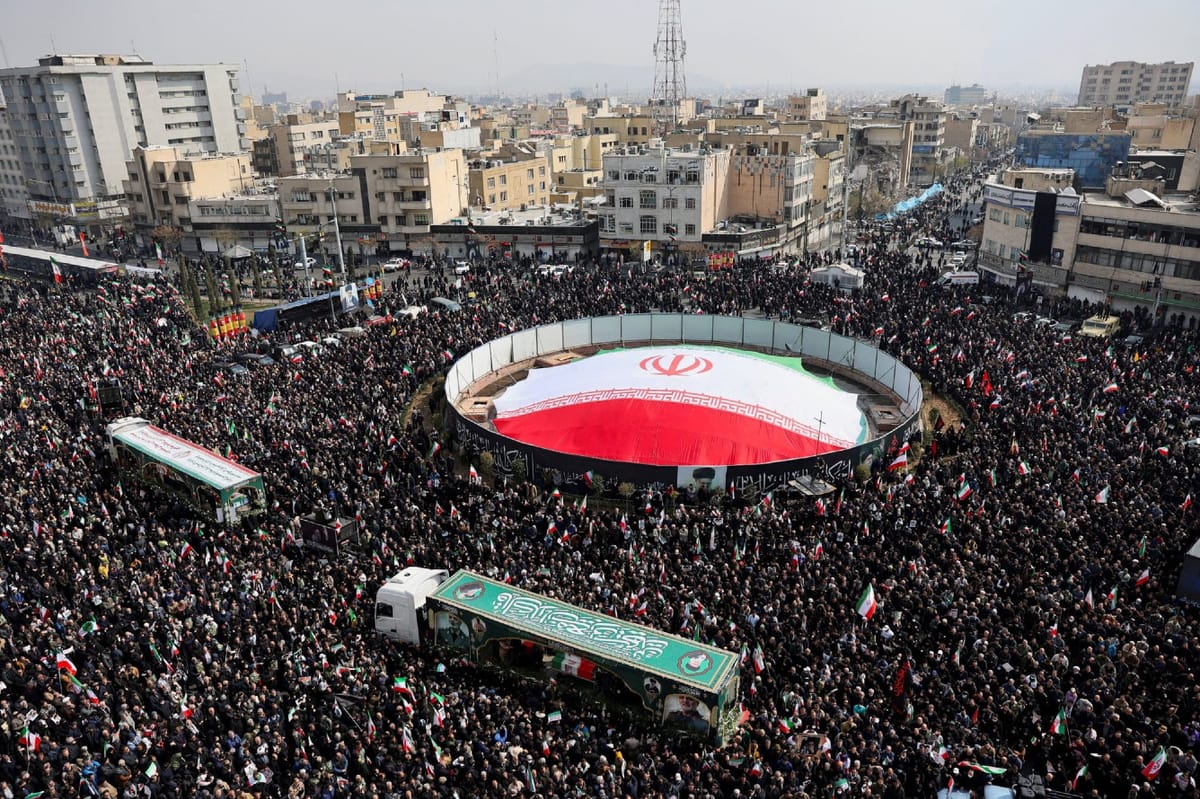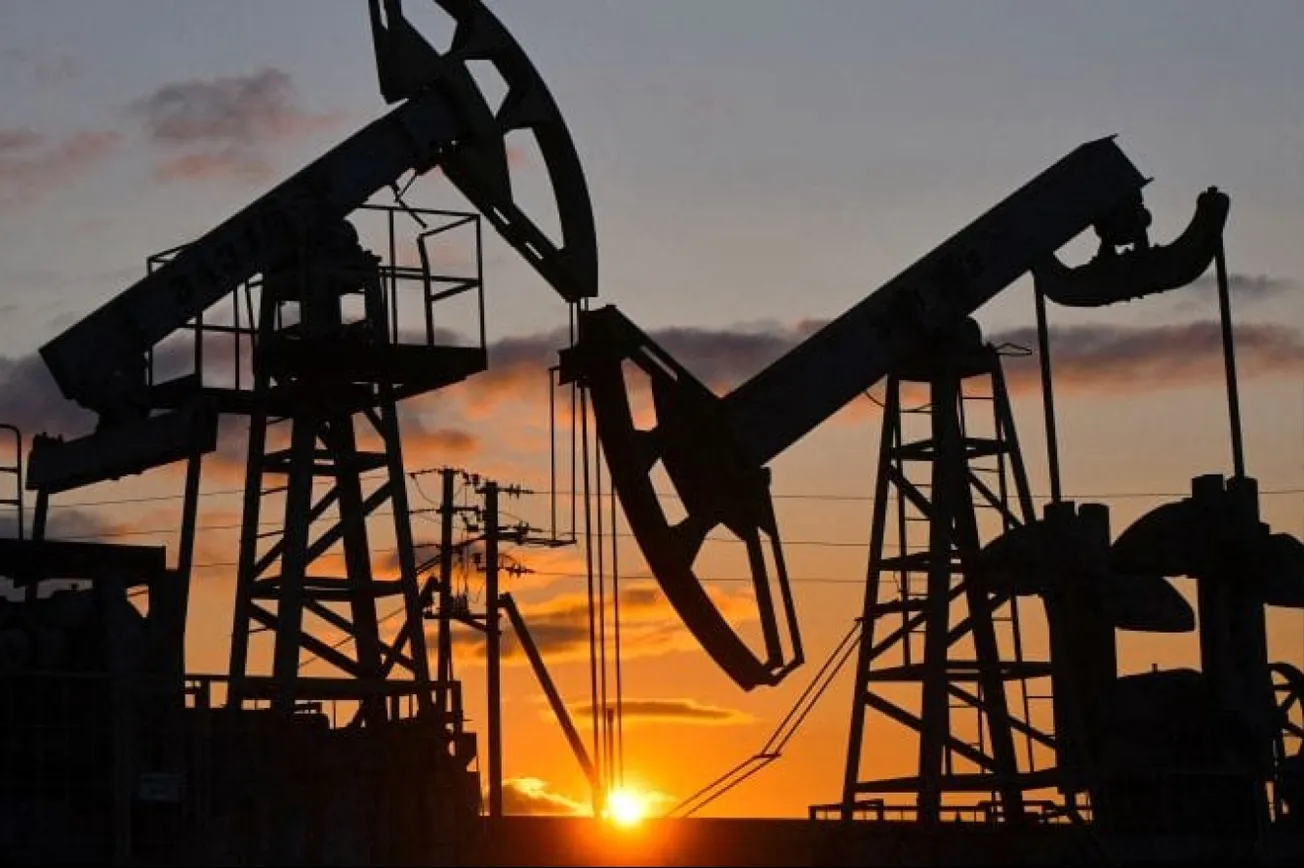

Energy dependent economies across Asia are facing growing economic risks as the war involving Iran threatens global oil and gas supplies. Economists warn that a prolonged conflict could disrupt energy flows and drive fuel prices higher, placing pressure on import reliant nations.
About 20 percent of the world’s oil normally passes through the Strait of Hormuz, according to the U.S. Energy Information Administration. Any sustained disruption could sharply increase import costs for countries across Asia.
Iraq proves that #US military success and political outcomes rarely align. In #Iran, the IRGC has already secured succession, controls 40% of the economy, and #Washington has exile proxies with no domestic legitimacy and an unverified uranium stockpile.https://t.co/WrZtGoAp7r
— Asia Times (@asiatimesonline) March 11, 2026
A report from Fitch Ratings identified Pakistan and India among the emerging markets most exposed to supply disruptions. China, Indonesia and the Philippines are also vulnerable because of heavy dependence on imported energy.
Governments across the region have already introduced emergency measures to conserve fuel and electricity. Pakistan ordered austerity steps, while Bangladesh and the Philippines limited energy use.
Analysts say higher oil prices could raise inflation, widen trade deficits and slow economic growth across Asia.
Also Read:
 TIPP Staff