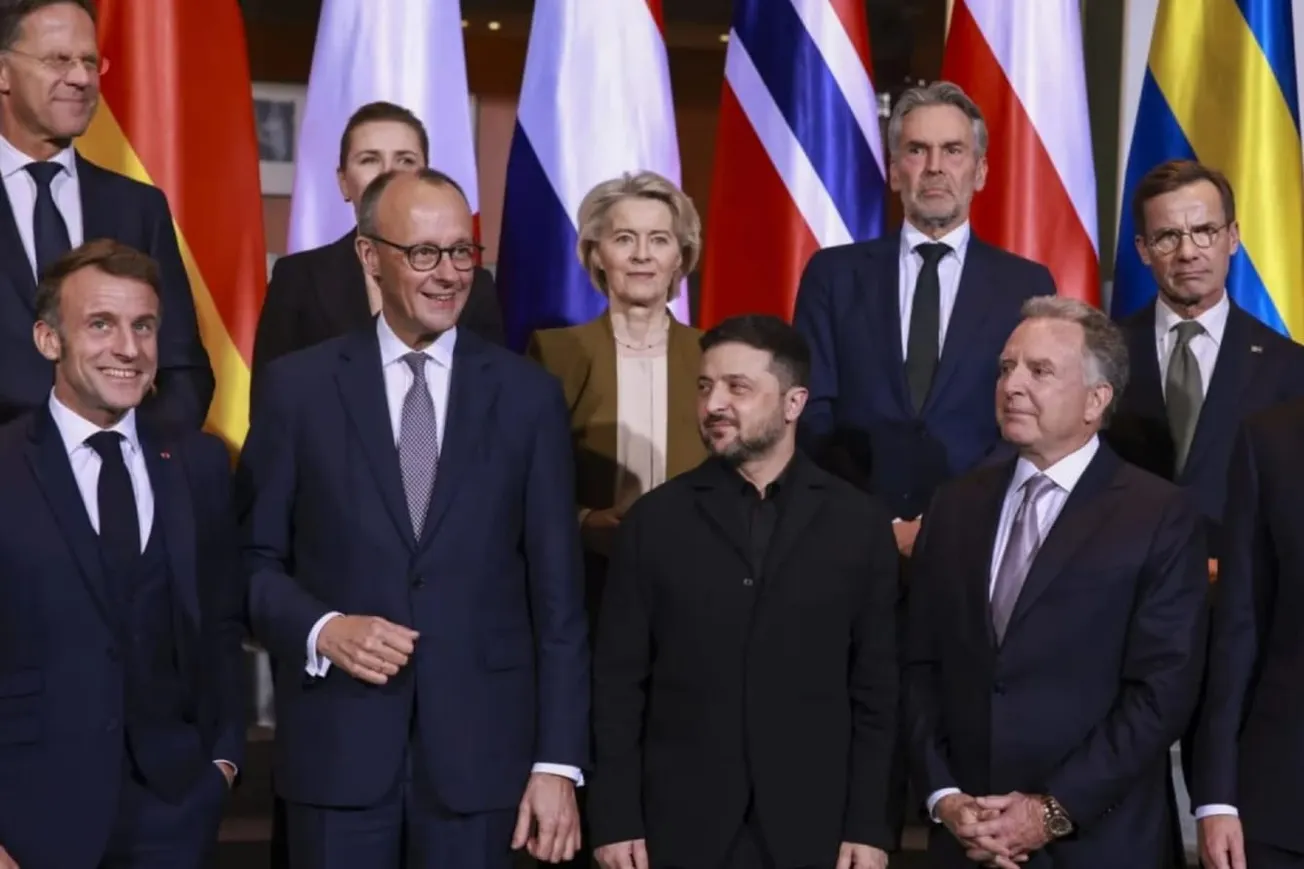
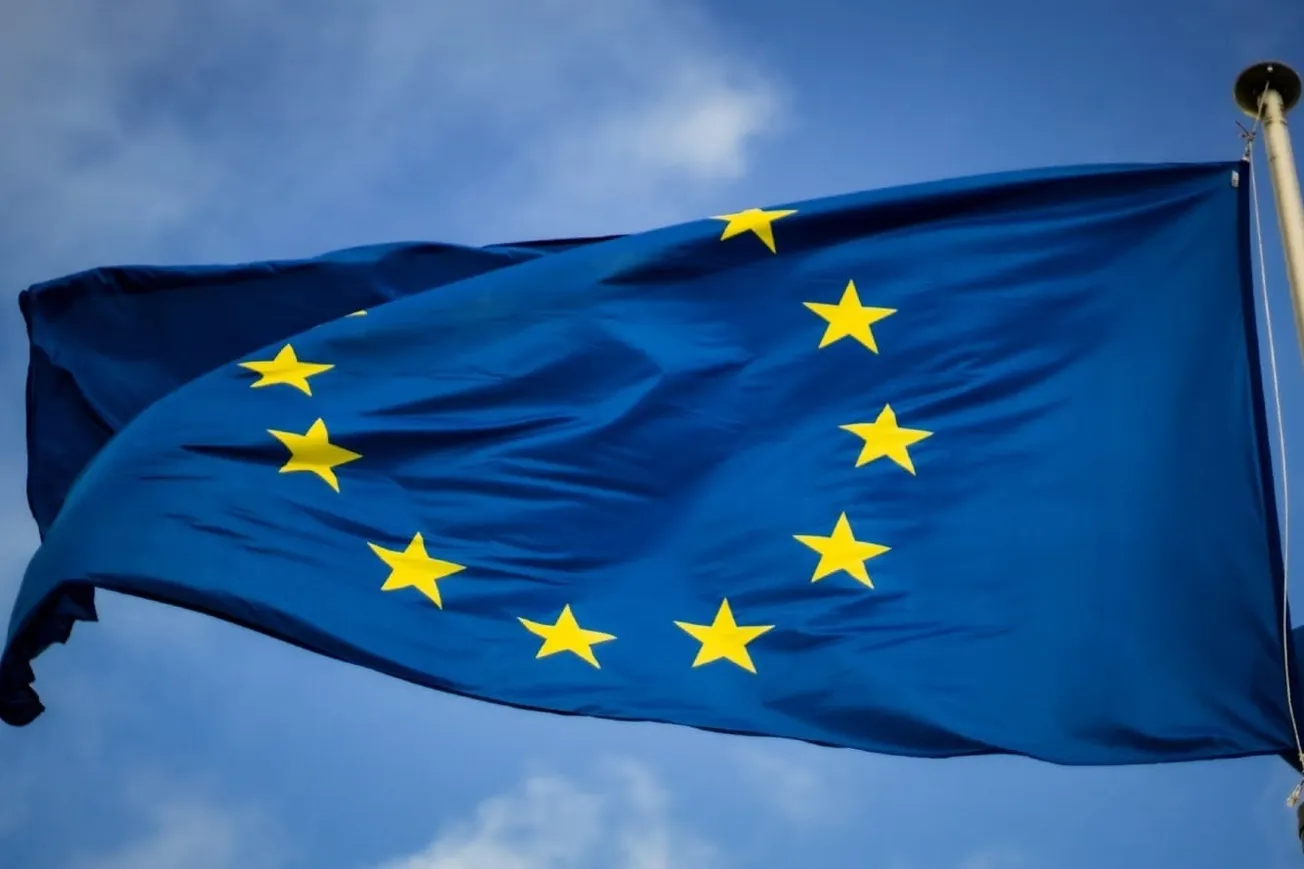
The European Union has announced tighter visa restrictions for Russian nationals, citing heightened security risks stemming from Moscow’s ongoing war in Ukraine, Kyiv Independent reported.
Under the new rules, multi-entry visas for most Russian citizens will be largely suspended, with applications subject to stricter scrutiny to prevent potential misuse for espionage, sabotage, or propaganda.
🇪🇺❌ The European Commission has banned the issuance of multiple-entry visas to Russian citizens.
— The Ukrainian Review (@UkrReview) November 7, 2025
Now the Russians will have to apply for a new single-entry visa every time they plan to travel to the EU. pic.twitter.com/jrOToEPH2t
Exceptions will be made for humanitarian cases, including dissidents, journalists, and family members of EU residents.
EU foreign policy chief Kaja Kallas said the move reflects Europe’s stance that “traveling to the EU is a privilege, not a right.” The Russian Foreign Ministry condemned the decision, accusing Europe of hypocrisy and discrimination.
The EU confirmed today it is toughening visa rules for Russian citizens and banning multi-entry permits in most cases.https://t.co/gjVvhDAnwN
— POLITICOEurope (@POLITICOEurope) November 7, 2025
The EU is also preparing to limit the movements of Russian diplomats after reports linked Kremlin-backed operatives to cyberattacks, drone incursions, and arson across Europe.
The restrictions come amid growing fears of hybrid warfare targeting EU and NATO member states.
Also read:
 TIPP Staff