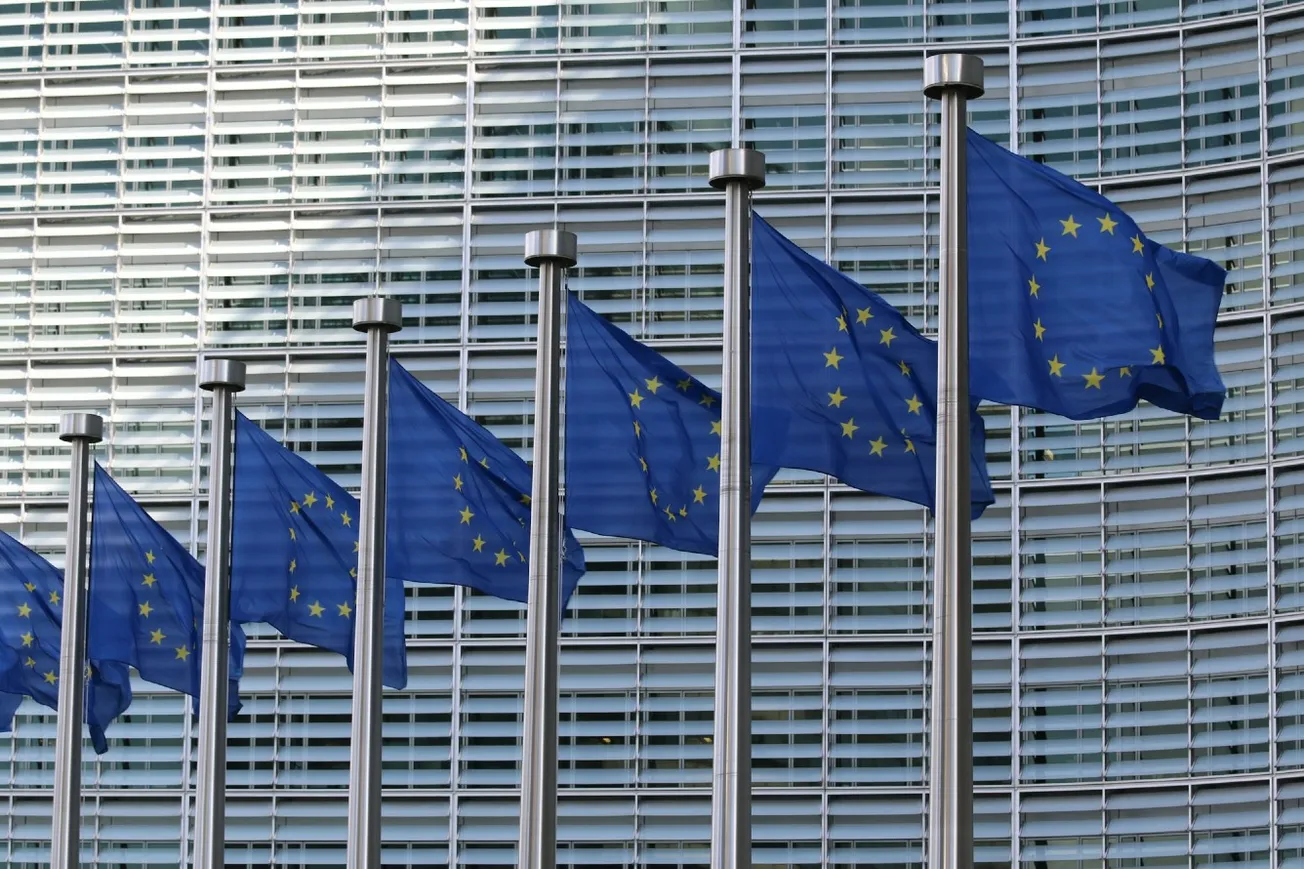
The European Commission on Wednesday unveiled a new “economic security doctrine” aimed at strengthening the EU’s defenses against Chinese export restrictions, U.S. tariffs, and vulnerabilities in critical supply chains.
The 27-nation bloc, concerned about losing ground in technologies like batteries, chips, and AI, wants closer coordination with member states and industry to map supply risks, tighten inbound investment rules, and bolster key sectors such as defense, space, and infrastructure.
The EU is preparing a new ResourceEU plan to cut its reliance on China for critical raw materials.
— HELSINKI TIMES (@HelsinkiTimes) December 3, 2025
A draft seen by Bloomberg earmarks at least €3bn in 2026 for securing supplies, including support for four projects such as a mine in Greenland and lithium extraction in the Czech… pic.twitter.com/g9rLpbcNJW
Trade Commissioner Maros Sefcovic said the EU must shift from reacting to crises to reshaping policy, noting increasing pressure from Beijing’s rare earth curbs.
By late 2026, Brussels will explore faster deployment of anti-dumping and anti-subsidy tools and may introduce new measures to counter market distortions and foreign overcapacity.
Business - EU to unveil new plan to end dependence on China's rare earths
— FRANCE 24 (@FRANCE24) December 3, 2025
➡️ https://t.co/EwXMWcRN4m pic.twitter.com/fA9K336YX4
The Commission also wants to reduce reliance on China by encouraging diversified suppliers, screening high-risk investors, and prioritizing EU companies in strategic public tenders. Officials said Europe may mirror Japan’s post-2010 rare earth diversification strategy.
Also read:
 TIPP Staff
 TIPP Staff
 Project Syndicate