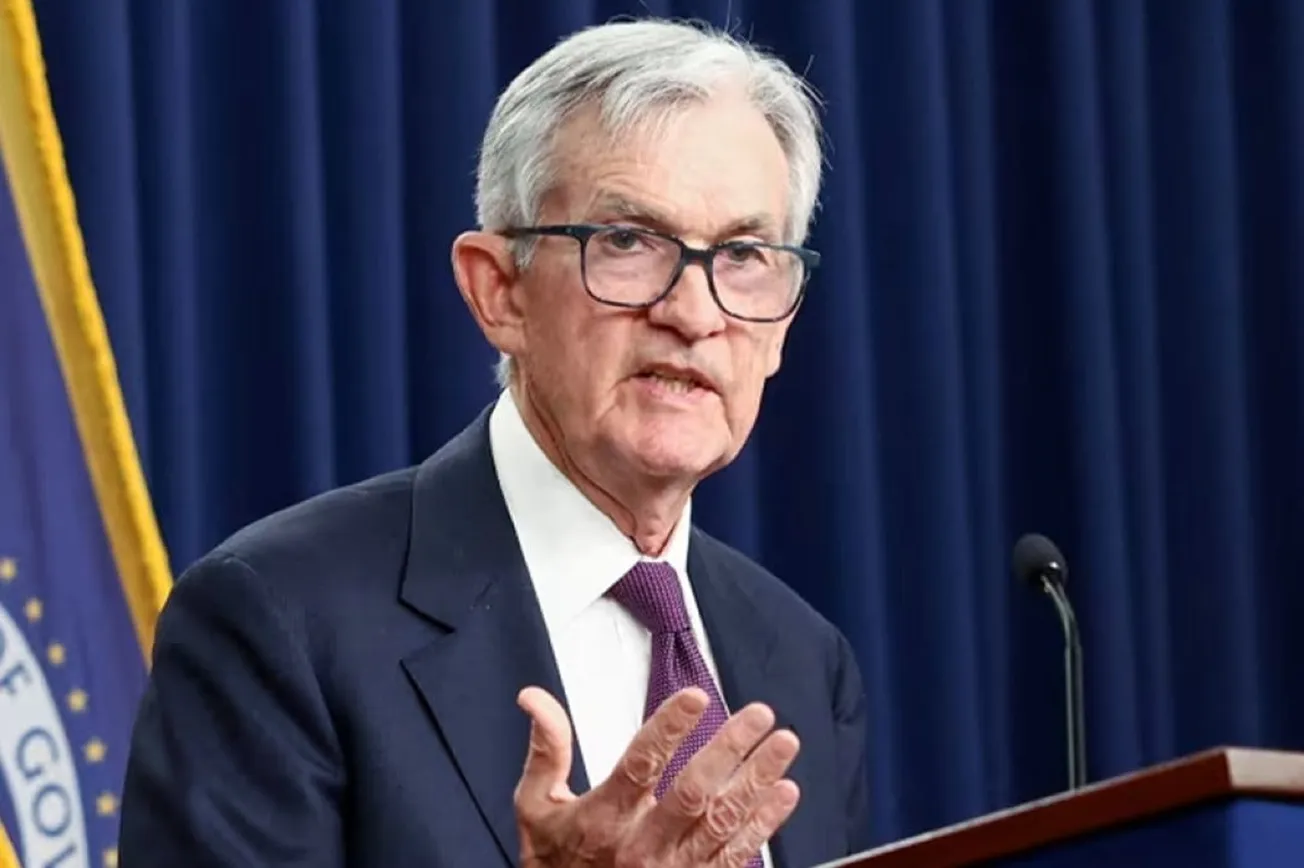
Federal Reserve Chair Jerome Powell said the central bank’s response to the ongoing Iran war will depend largely on how Americans perceive inflation trends. Speaking at a Harvard event, Powell said policymakers typically look past temporary supply shocks, but must closely monitor inflation expectations, according to reports.
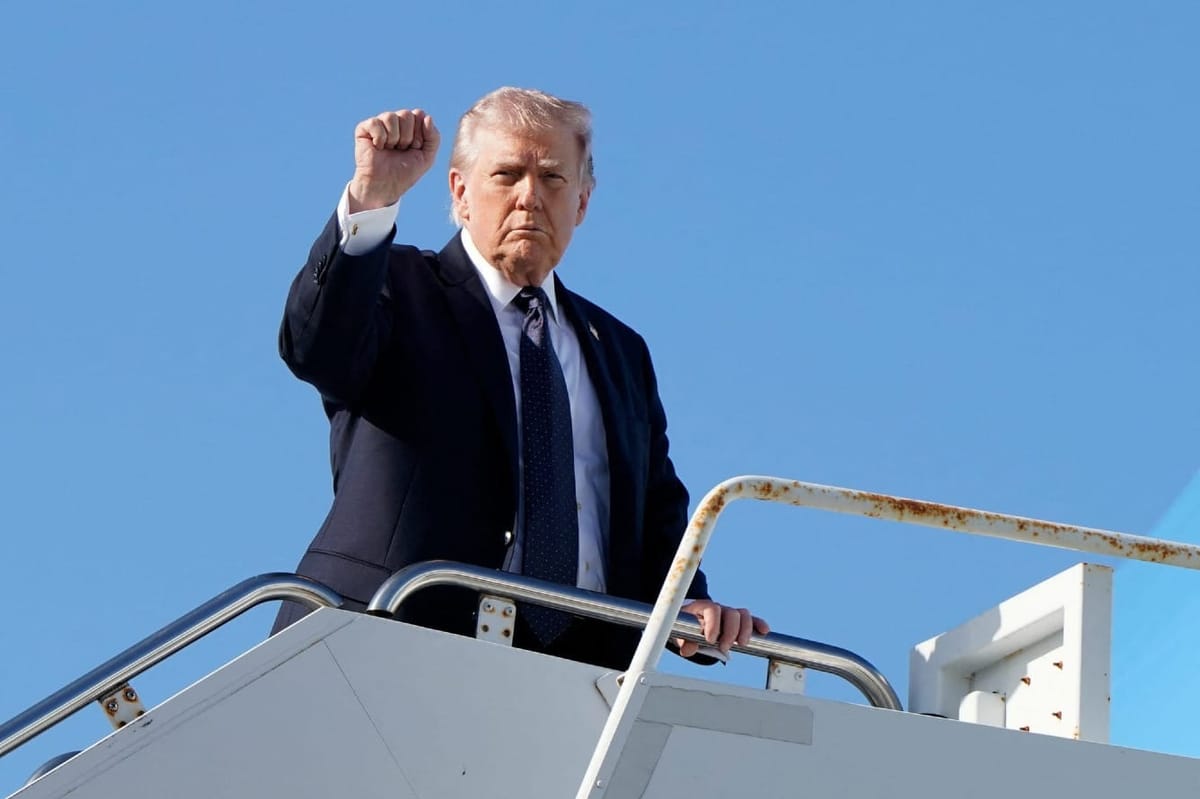
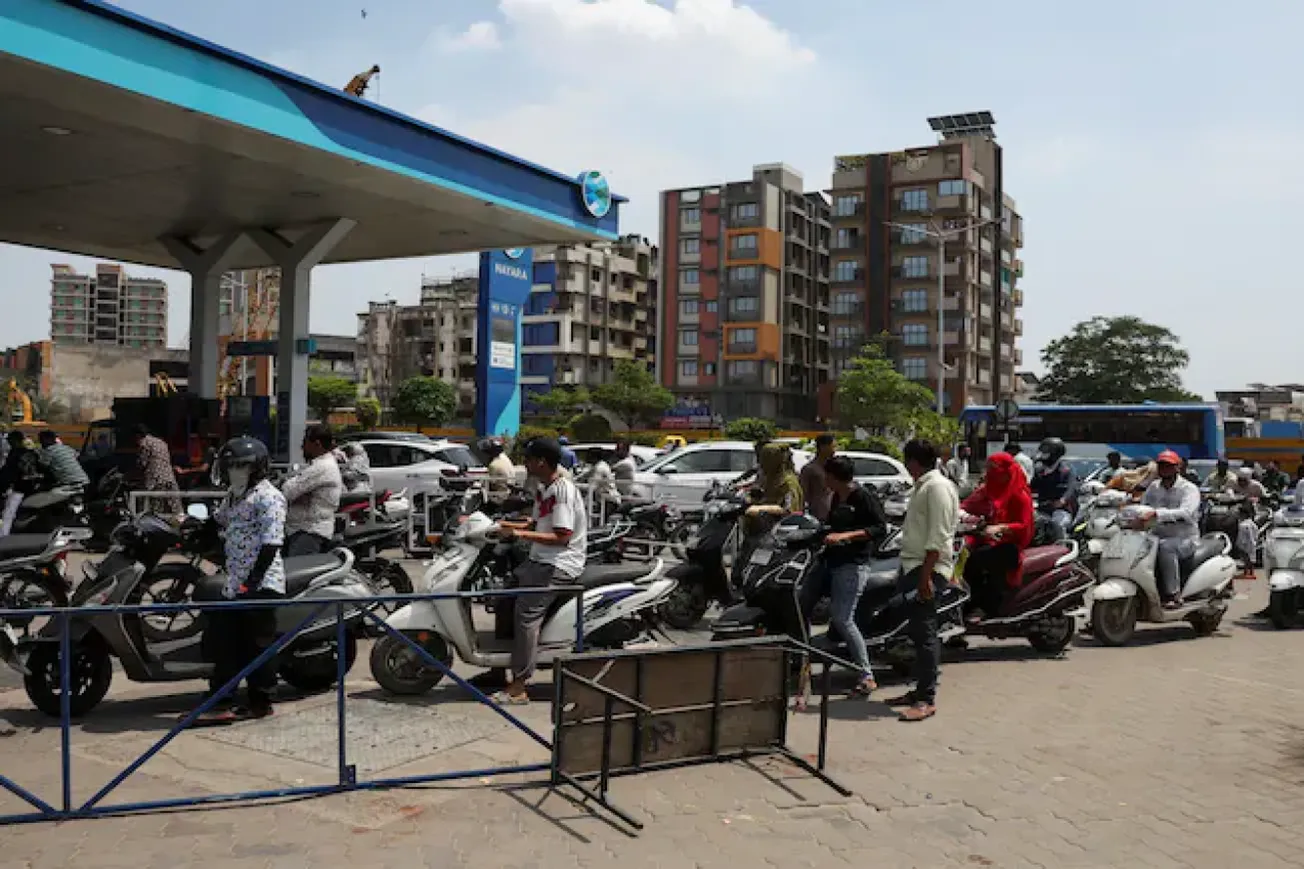
The conflict has pushed oil prices higher, with Brent crude briefly crossing $116 per barrel after President Donald Trump warned of possible strikes on Iran’s energy infrastructure. The report said rising fuel costs are already affecting consumer sentiment and increasing short-term inflation expectations.
Federal Reserve Chair Jerome Powell said the central bank is inclined to hold rates steady and look past the energy shock from the war in Iran, but also sounded a note of caution https://t.co/OdAqwFg1fN
— The Wall Street Journal (@WSJ) March 30, 2026
Powell signalled that interest rates may remain steady for now, noting that monetary policy works with delays. However, economists warn prolonged conflict could force tougher action.
The Federal Reserve faces a difficult balance between controlling inflation and protecting a fragile labor market. While long-term inflation expectations remain stable, the report said a sustained energy shock could alter that outlook and complicate policy decisions.
Also Read:
 TIPP Staff