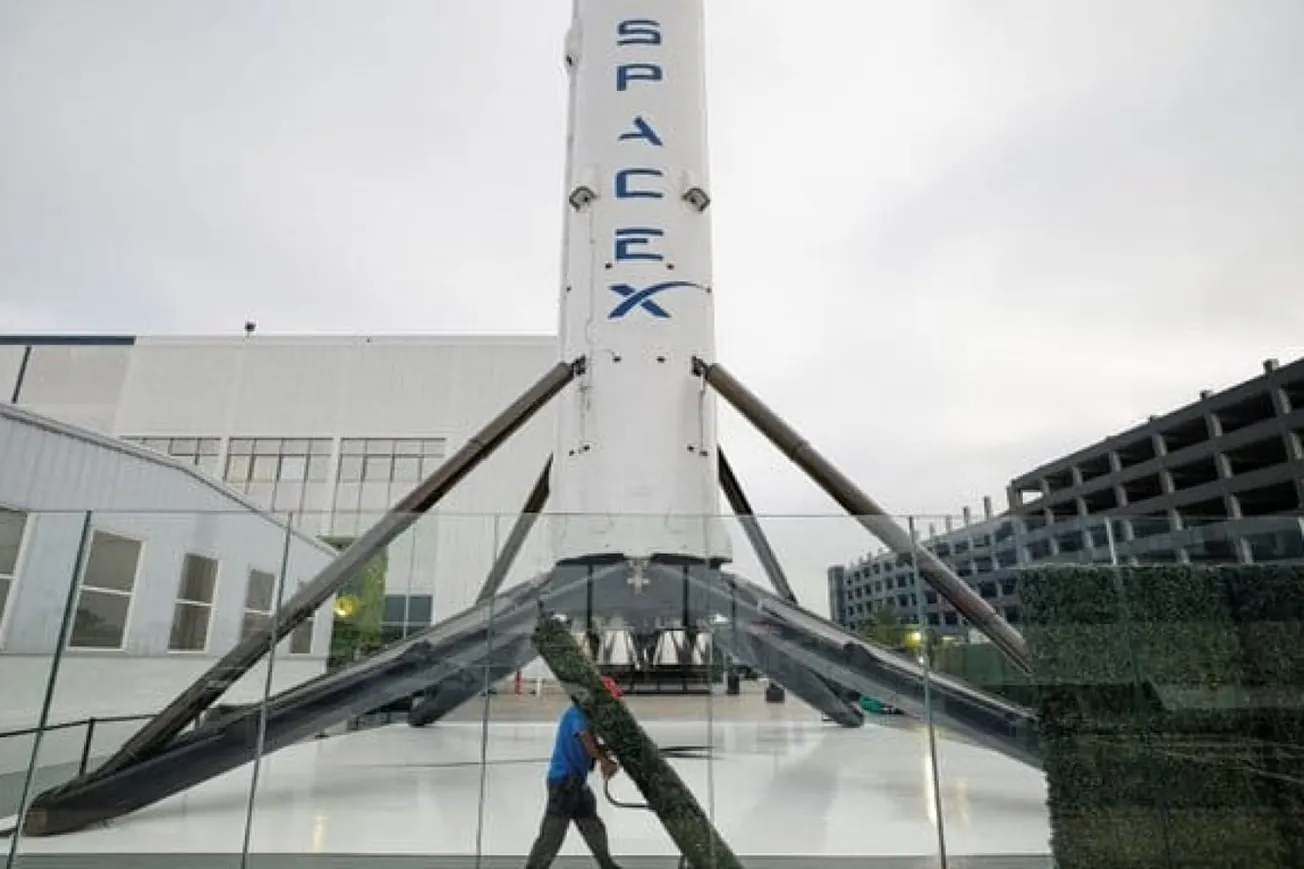
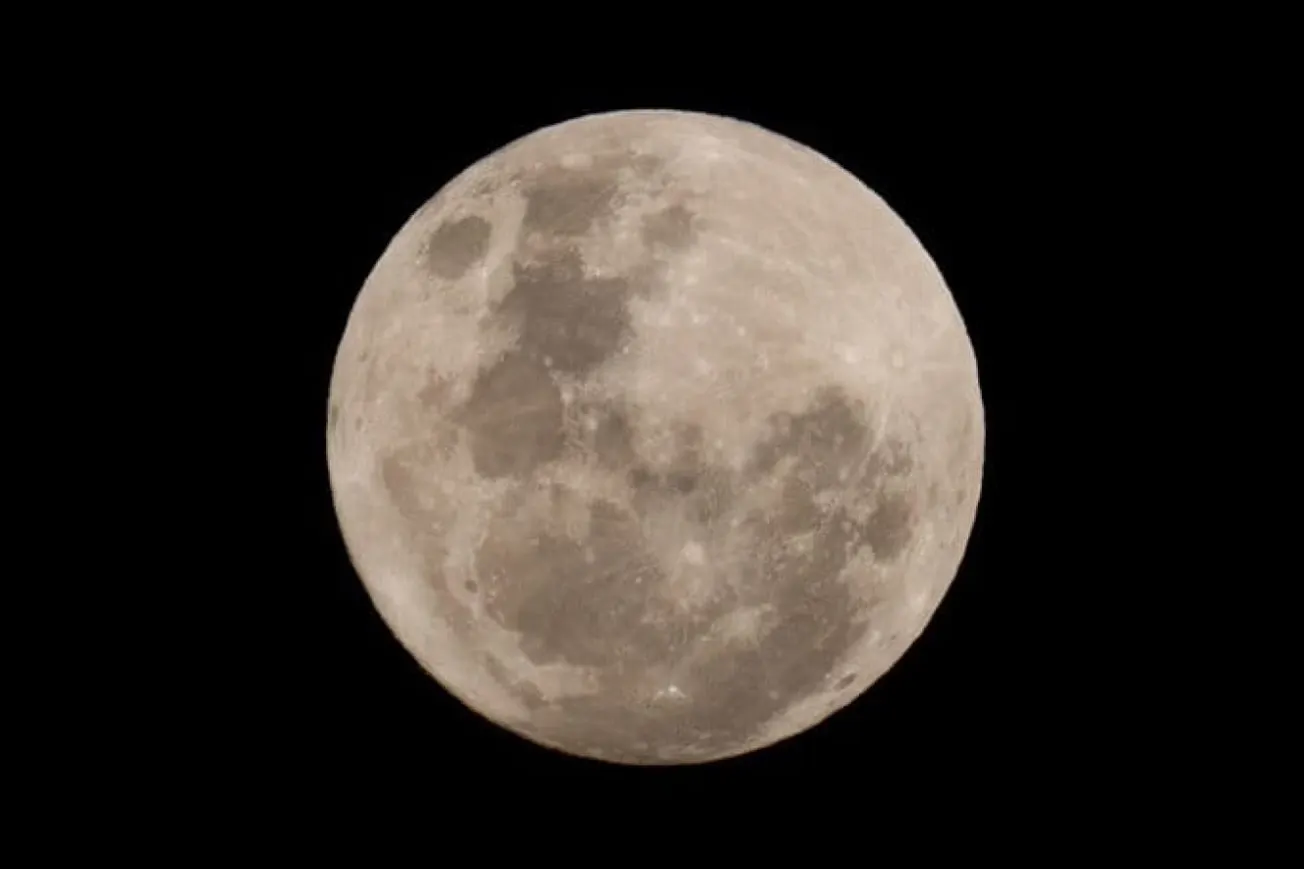
A SpaceX Falcon 9 rocket stage is believed to have struck the Moon, creating a new impact crater and providing scientists with an opportunity to study the effects of collisions on the lunar surface.
According to the report, the rocket stage impacted the Moon's western limb near Einstein Crater at a speed of about 5,400 mph, likely leaving a crater measuring roughly 60 feet across.
Astronomy software developer Bill Gray said the incident underscores the need for better disposal of space hardware, while noting that the collision poses no danger to Earth.
According to the report, NASA plans to analyse the impact site to improve understanding of lunar geology and debris behaviour, with the findings expected to support future Artemis missions and long-term lunar exploration efforts.
Related Tweet:
The discarded upper portion of a rocket launched by Elon Musk’s SpaceX last year was expected to unintentionally crash into the moon early Wednesday, adding yet another crater to the surface of our nearest neighbor at around 5,400 miles an hour. https://t.co/Zx7dEn4Sga
— The Washington Post (@washingtonpost) August 5, 2026
Also Read:
 TIPP Staff