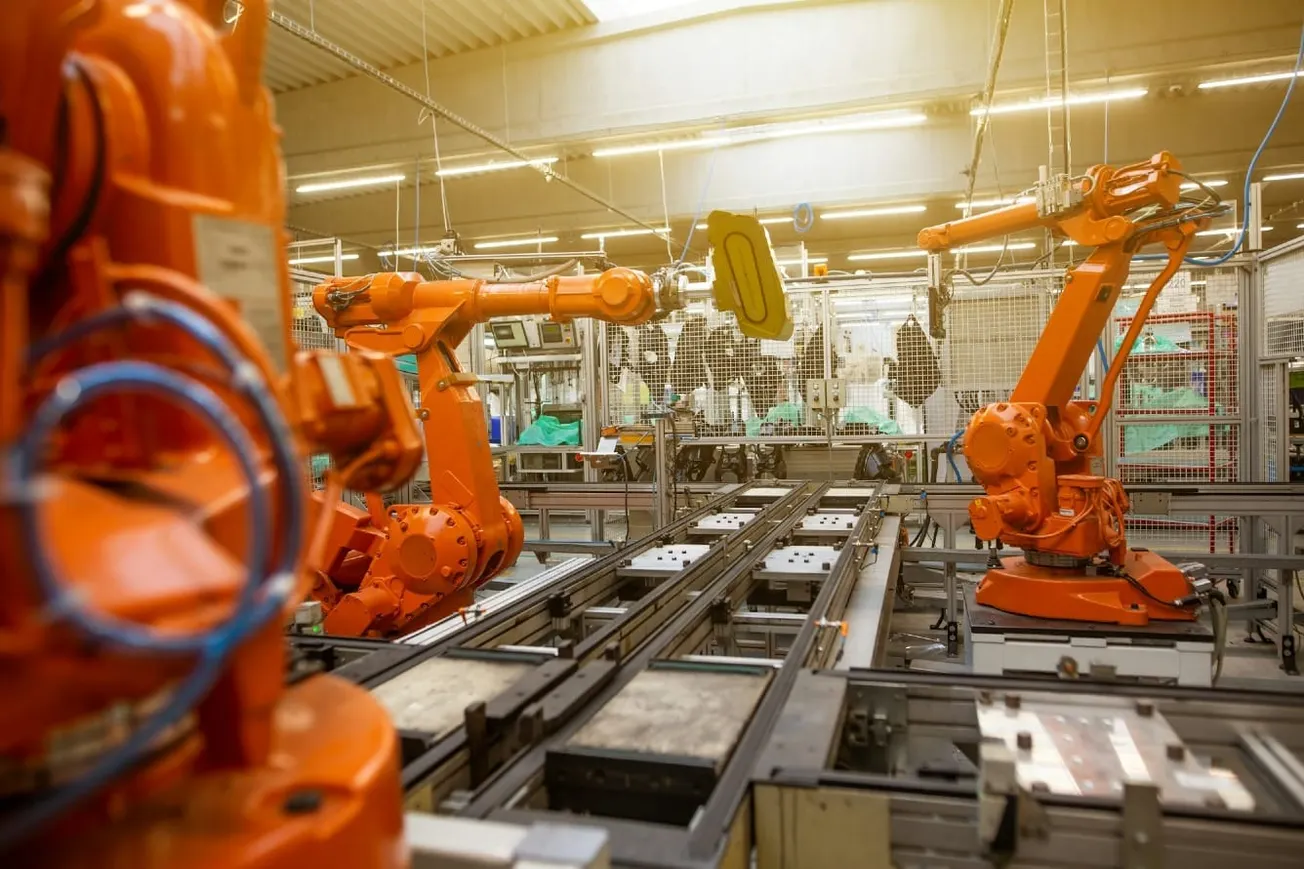
Artificial intelligence is moving beyond office software and into the physical world, raising new concerns about job losses across blue- and white-collar work, according to reporting by Axios.
Startups and tech giants are investing billions in AI systems designed to act as “brains” for robots that can perform real-world tasks.
Investors are betting on robots to replace blue collar workers https://t.co/kIHQPM9aBC
— Axios (@axios) February 2, 2026
These machines could eventually handle plumbing, welding, construction, cooking, and vehicle repair, adapting to changing environments by understanding physics and physical conditions.
Companies are taking different approaches. Some are training models using massive amounts of real-world data. Others rely on simulated “world models,” an approach backed by AI researcher Yann LeCun.
AI could wipe out half of all entry-level white-collar jobs and spike unemployment to 10% to 20% in the next one to five years, predicts Anthropic CEO Dario Amodei. https://t.co/K53oCApIeF pic.twitter.com/6BgAlQ30pM
— 60 Minutes (@60Minutes) November 17, 2025
Major funding rounds highlight the momentum. Waabi raised up to $1 billion for autonomous vehicles, while Skild AI secured $1.4 billion to develop a universal robot brain.
Experts say the scale and speed of job disruption remain unclear. Supporters argue new technology creates new work, while critics warn AI may upend labor markets faster than workers can adapt.
Also read:
 TIPP Staff
 TIPP Staff
 TIPP Staff
 TIPP Staff