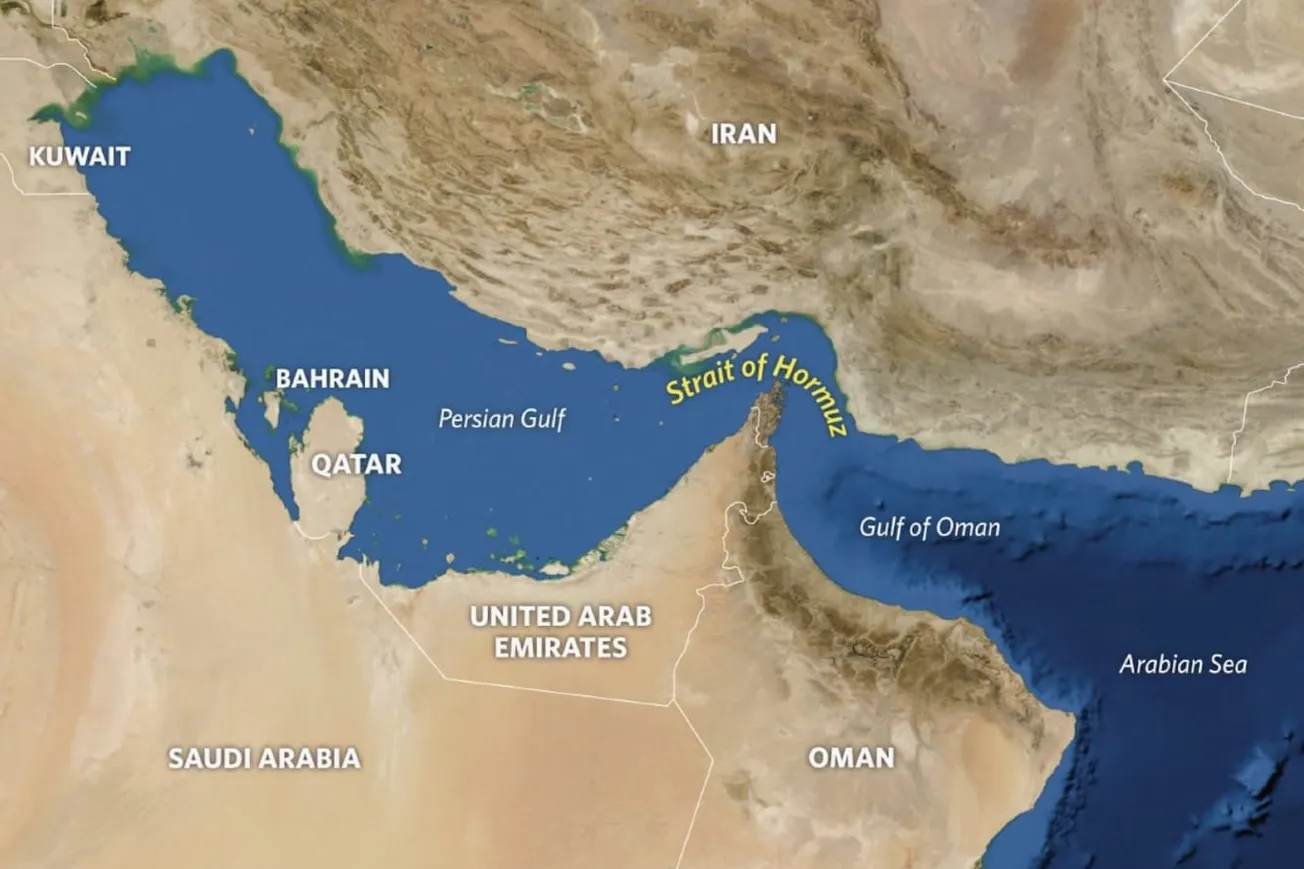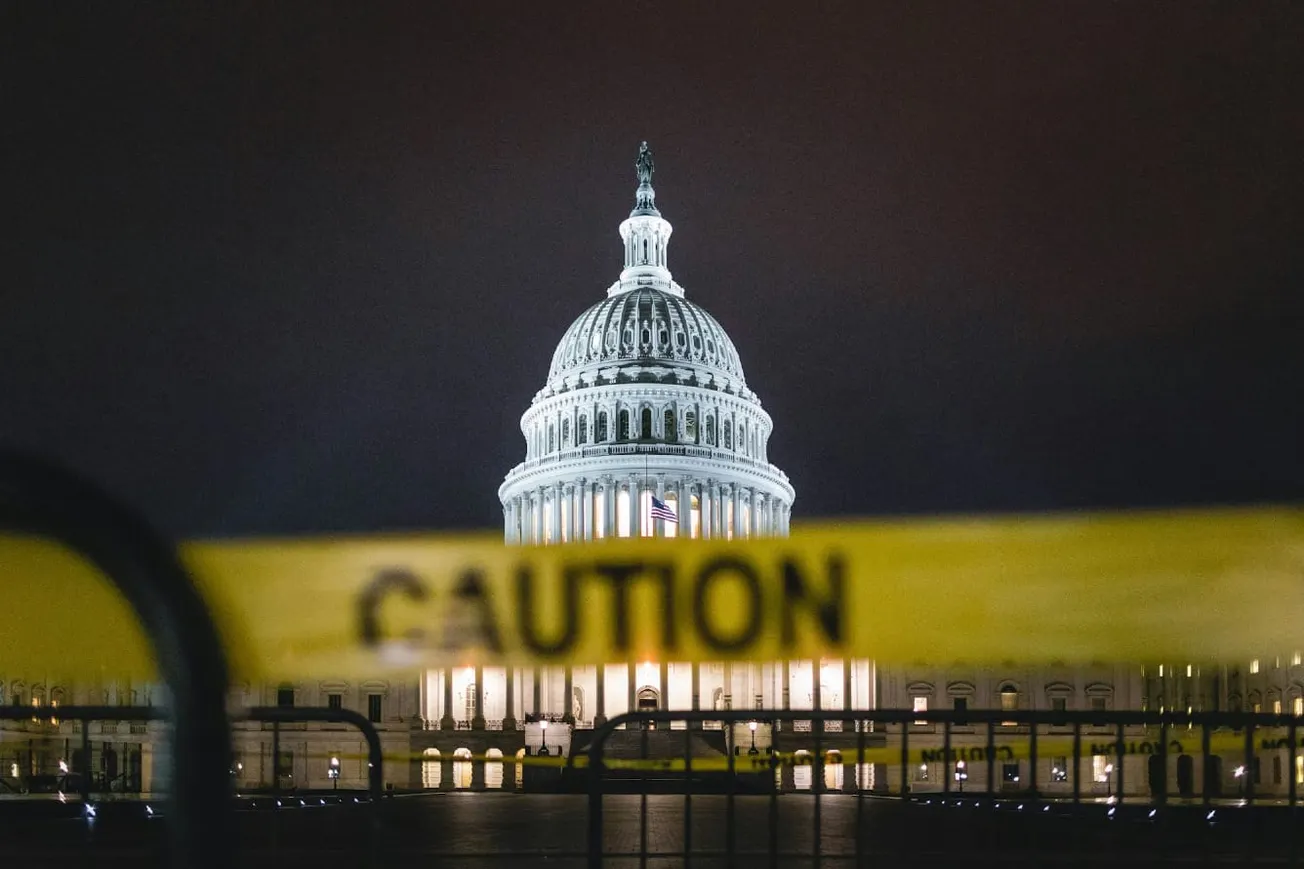
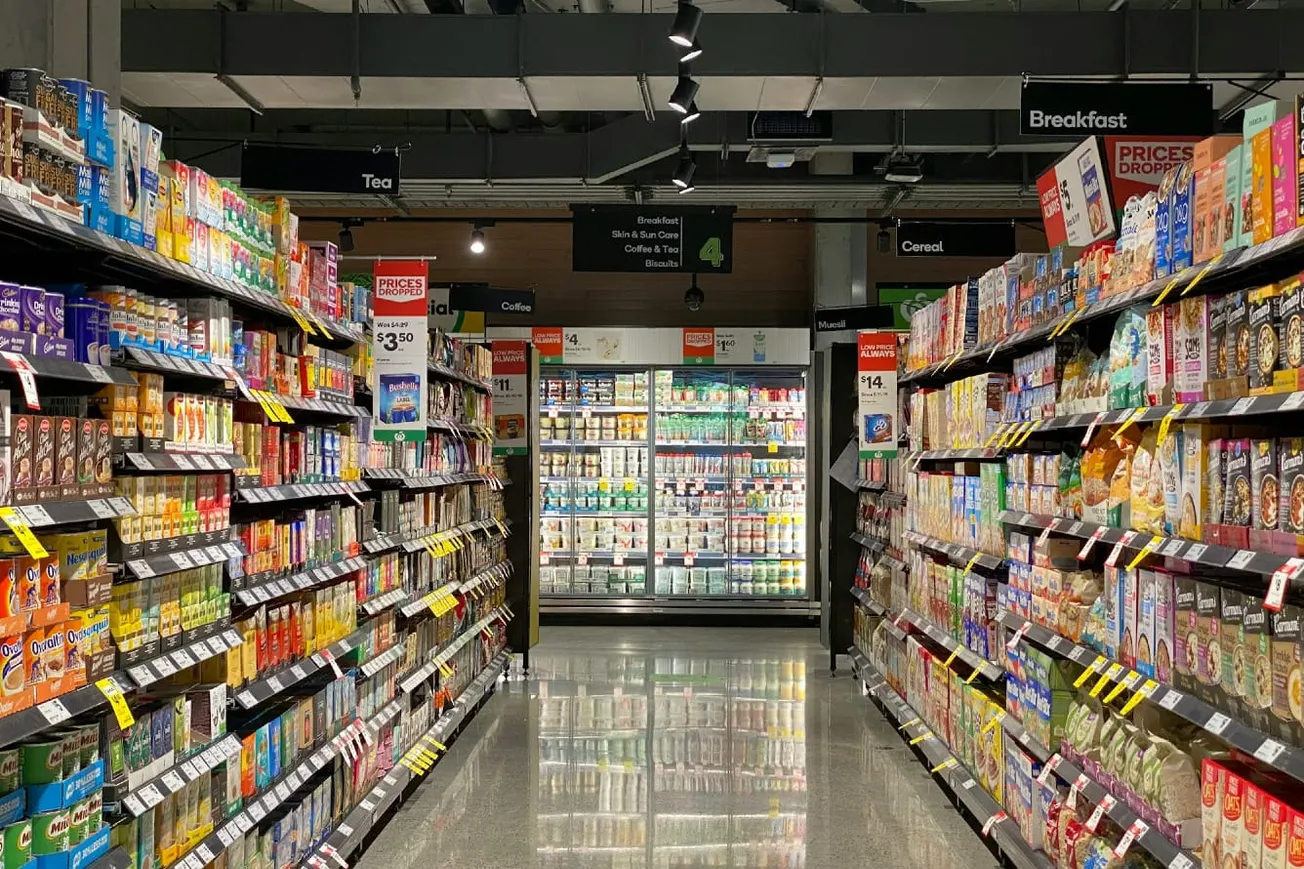
Rising grocery prices linked to the Iran war could emerge as a major political issue ahead of U.S. midterm elections, reported by CNBC. The conflict and Iran’s closure of the Strait of Hormuz have driven up oil, fuel, and fertilizer costs, putting pressure on food production and supply chains.
According to economists, higher diesel and fertilizer prices will likely push up farming and transport costs, eventually raising grocery bills. The report said the impact may not be immediate but could hit consumers closer to the fall harvest season.
Grocery shock on the horizon for approaching U.S. elections as Iran war drags on https://t.co/Q0UkUPrBVM
— CNBC (@CNBC) April 2, 2026
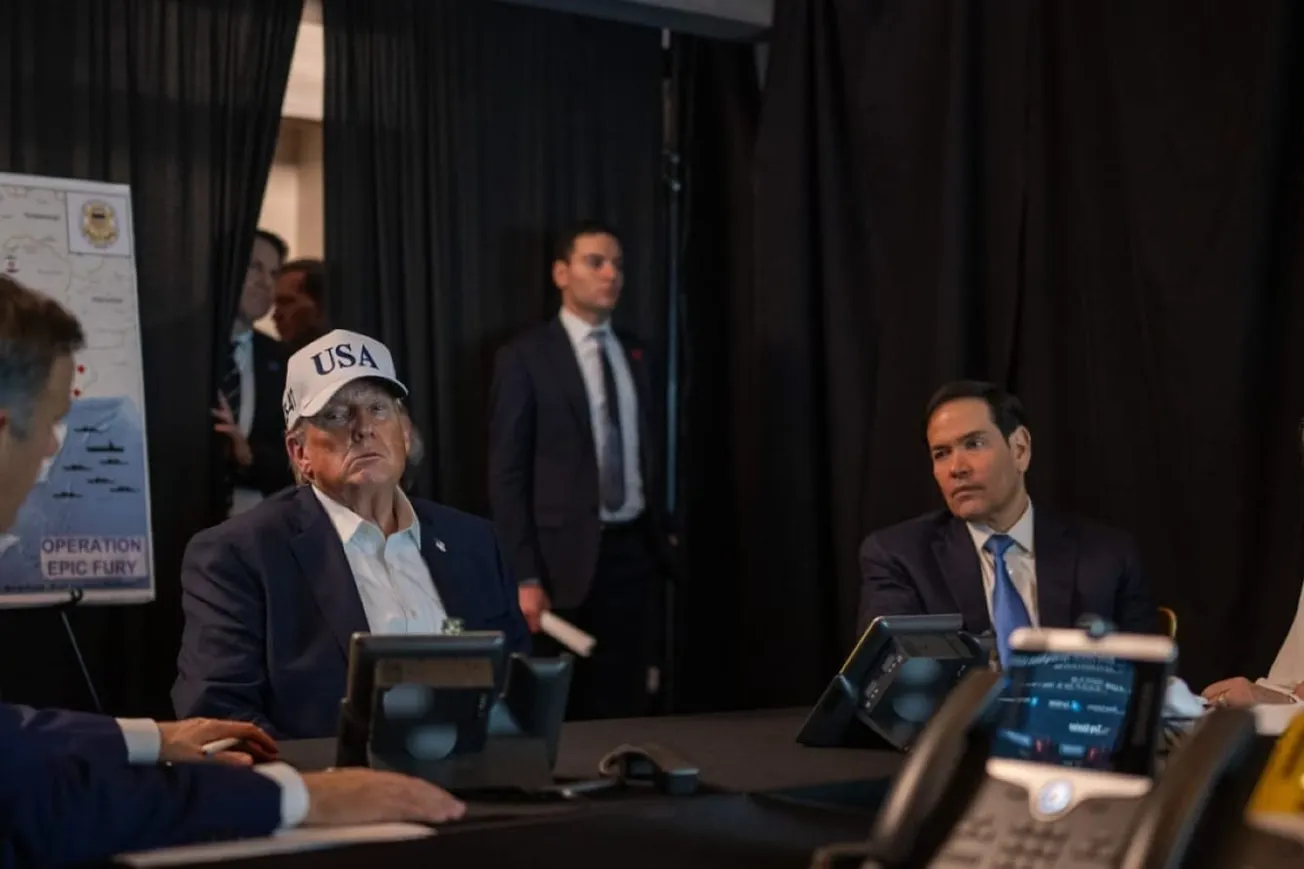
Democrats are blaming President Donald Trump’s war strategy for worsening affordability, while Republicans acknowledge price risks but argue the impact may be temporary. Lawmakers from both parties agree that prolonged disruption could strain household budgets.
Experts warn that energy-intensive goods like fresh produce could see sharper price increases. According to the report, reopening the Strait of Hormuz or ending the conflict quickly may be key to preventing sustained food inflation.
Also Read:
 TIPP Staff
 TIPP Staff
 TIPP Staff