
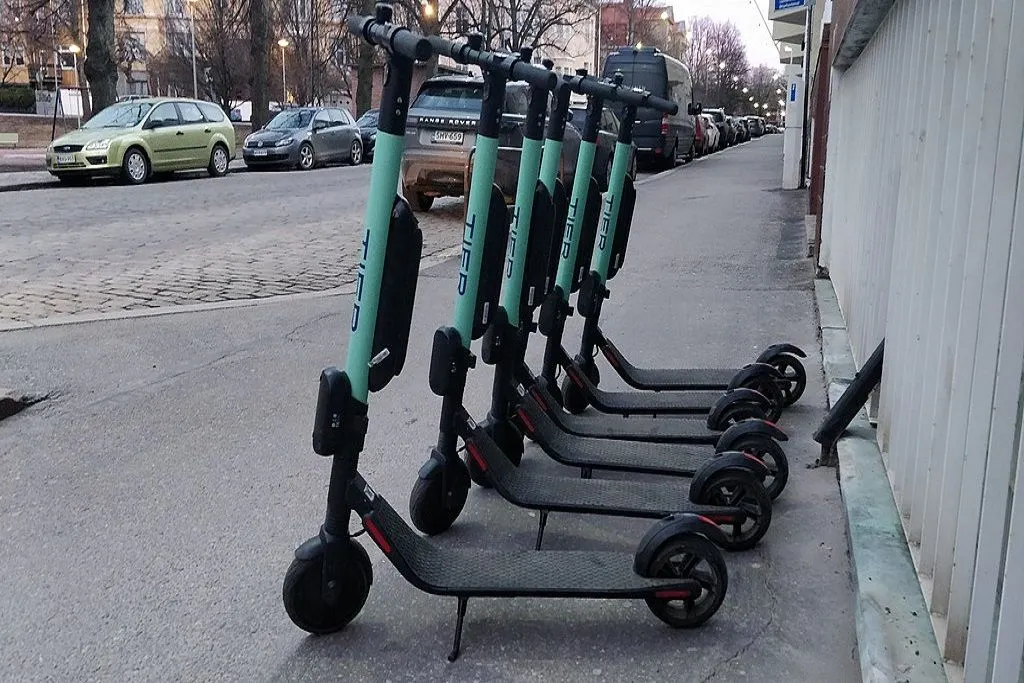
The pandemic accelerated surging popularity, which has seen people less inclined to use public transport. An Ernst & Young Mobility Consumer Index 2022 study reveals that commuters travel less on public transport than in pre-pandemic times. Australia, New Zealand, and Canada have seen falls of 35%, 34%, and 30%, respectively.
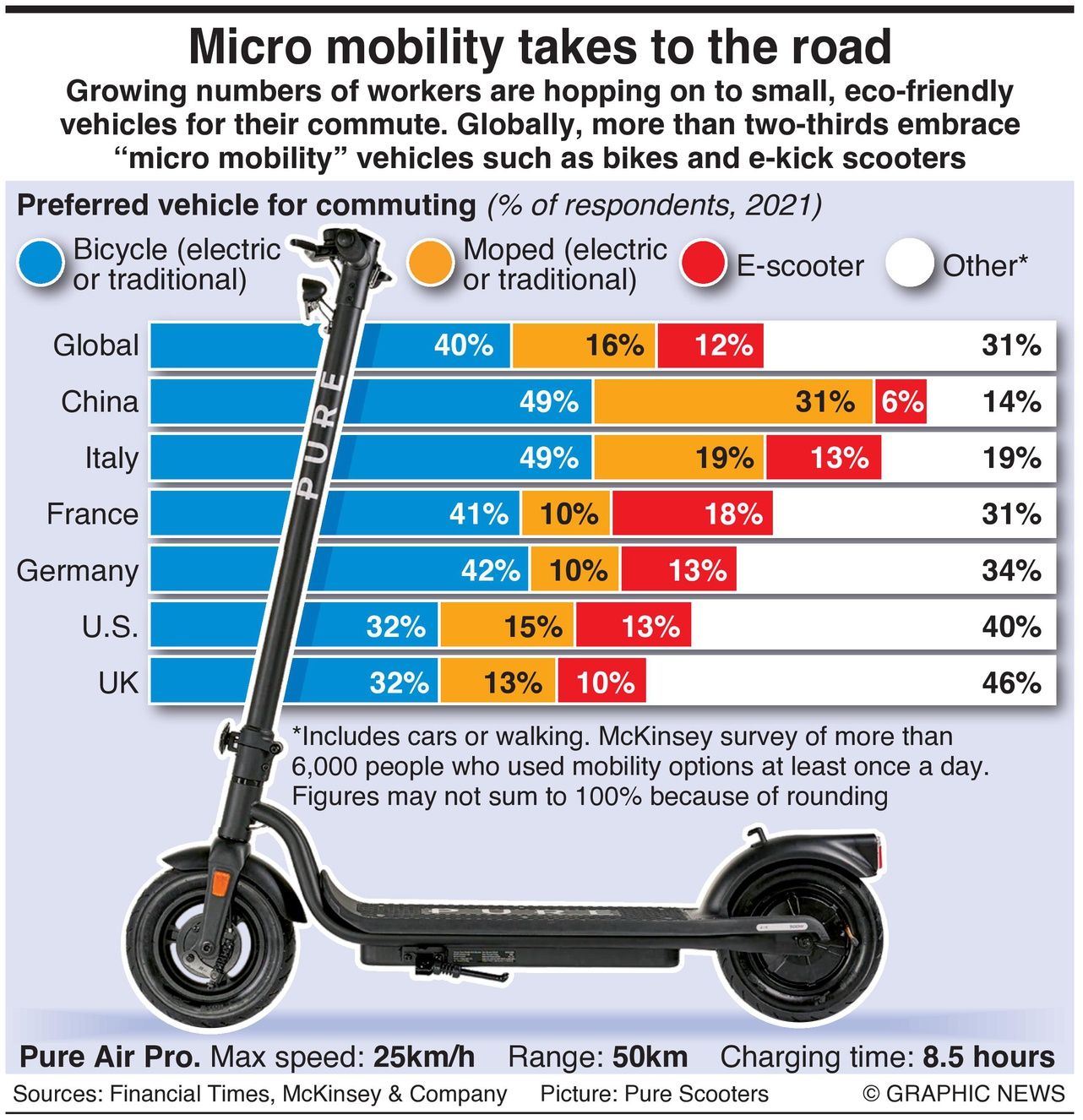
A private mode of transport outdoors in the fresh air appeals to people. A McKinsey survey of more than 6,000 people found that 68% of commuters use bicycles, mopeds, and e-scooters to get to work globally. Micro mobility is highest in China at 86%, while Italy, France, and Germany have 81%, 69%, and 65%, respectively.
McKinsey also found that of those respondents willing to use e-scooters for their commute, most -- 64% -- said they would prefer private ownership. Another 23% chose either a leasing or subscription form of private ownership.
To lure techies back to work, tech giant Google offers free e-scooters to its U.S. employees. Google’s “Ride Scoot” program fully reimburses employees who subscribe to premium electric scooter manufacturer Unagi’s Model One plan for $990.
In the United Kingdom, the Department for Transport (DfT) opened up e-scooter trials to any city that applied. The latest data from the DfT show over three and a half million journeys since the e-scooter operation started in August 2020.