
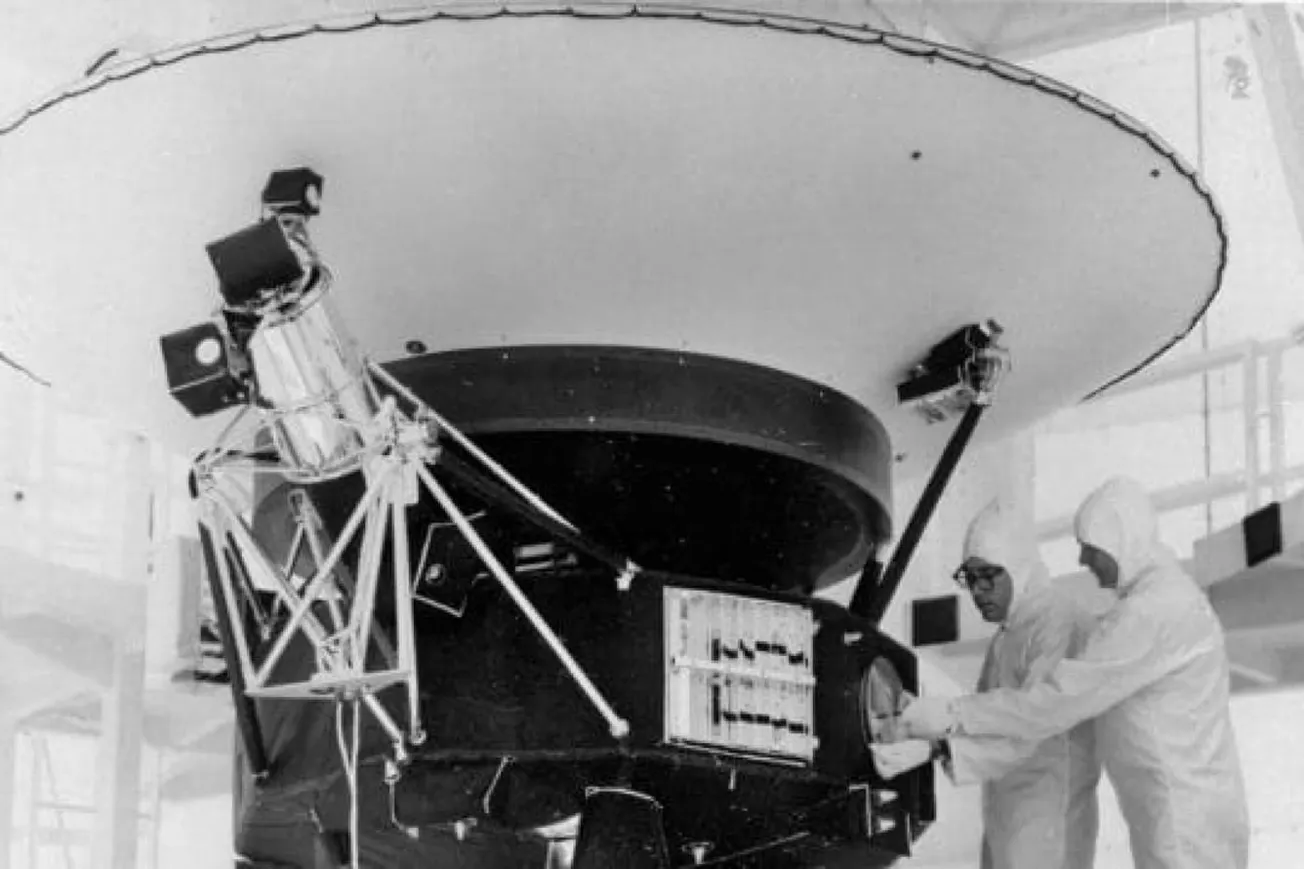
NASA engineers have found a way to extend the operational life of Voyager 2, potentially allowing the nearly 50-year-old spacecraft to continue studying interstellar space into the 2030s.
According to NASA's Jet Propulsion Laboratory, engineers used a power-saving procedure known as the "Big Bang" to reduce the spacecraft's energy demands.
Voyager 2's power comes from radioisotope generators fueled by decaying plutonium.
The system loses roughly four watts of power each year, forcing mission controllers to gradually shut down instruments and other equipment.
The changes are expected to preserve Voyager 2's three remaining scientific instruments for at least another year.
NASA plans to use a similar strategy on Voyager 1 in the coming months. Both probes continue transmitting scientific data from interstellar space, providing rare insights into the environment beyond the Sun's influence.
Related Tweet:
Scientists extend instrument life on Voyager 2 probehttps://t.co/4zDQivy7OZ
— The Hill (@thehill) August 7, 2026
Also Read:
 Power & Capital Desk