
NASA's Neil Gehrels Swift Observatory reentered Earth's atmosphere over northern Sumatra on Wednesday, ending a 22-year mission studying cosmic explosions.
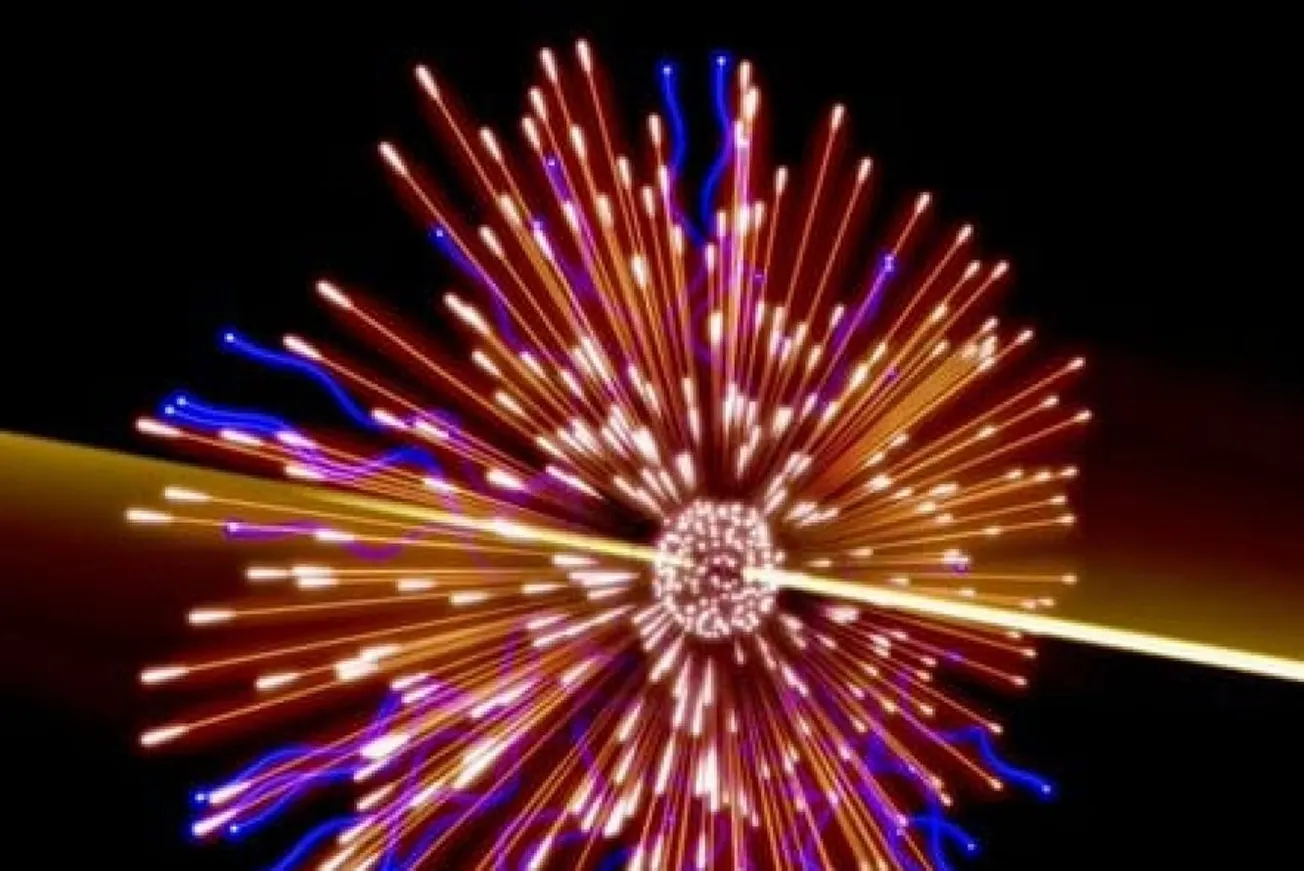
The 3,200-pound telescope had originally been designed for just two years of operation but observed more than 2,000 gamma-ray bursts during its extended service.
NASA is now gauging industry interest in a similar mission to service or upgrade the Hubble Space Telescope.
Meanwhile, the number of large objects falling back to Earth remains significant, averaging at least three daily. This figure is expected to increase as satellite megaconstellations expand.
Related Tweet:
NASA's Swift satellite telescope, which spent two decades studying the most powerful known blasts of energy in the cosmos, tumbled out of orbit as expected and burned up in Earth's atmosphere over Indonesia, the space agency reported https://t.co/y9ScHvALk9
— Reuters (@Reuters) November 5, 2026
Also Read:
 TIPP Staff