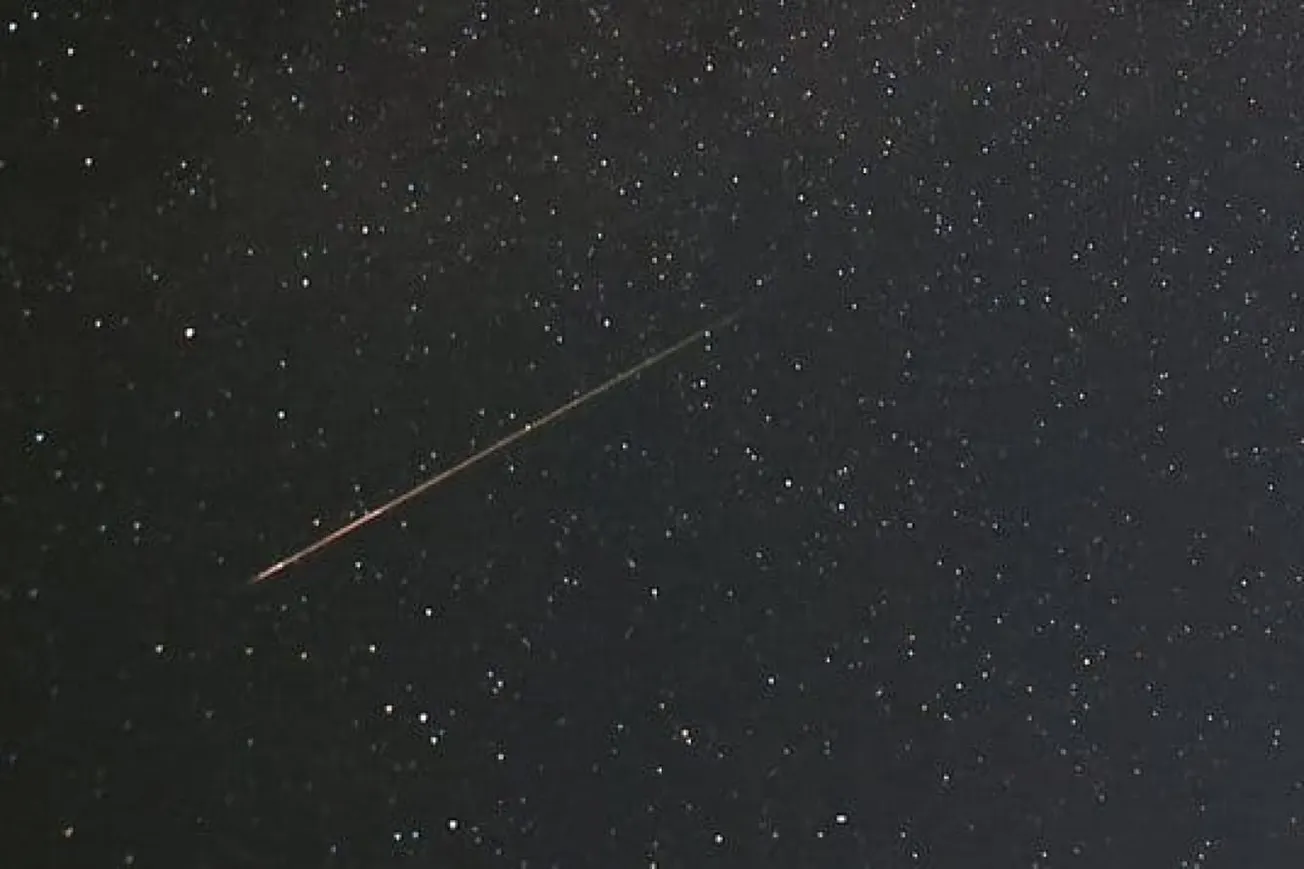
The Perseid meteor shower is expected to reach its peak during the mornings of August 12 and 13, offering skywatchers an excellent opportunity to observe one of the year's most anticipated celestial events.
According to the report, a new moon will eliminate significant moonlight, potentially allowing viewers to see 90 or more meteors per hour under favorable conditions.
The growing interest in astronomy is also driving travelers toward locations with minimal light pollution. DarkSky International has added several U.S. destinations to its certified stargazing network in recent months.
South Dakota's Badlands National Park received International Dark Sky Park status on July 17, while Idaho's Sun Valley Resort became the first resort recognized under the organization's Approved Lodging and Resorts Program on July 13.
The report said truly dark skies are increasingly difficult to find, with light pollution affecting most Americans. For stargazers willing to travel farther from cities, remote locations can offer significantly better viewing conditions.
Related Tweet:
The Perseid meteor shower is set to provide a late-summer show in the skies over the United States. https://t.co/qrMNEa7KXn
— CBS News (@CBSNews) August 11, 2026
Also Read:
 TIPP Staff