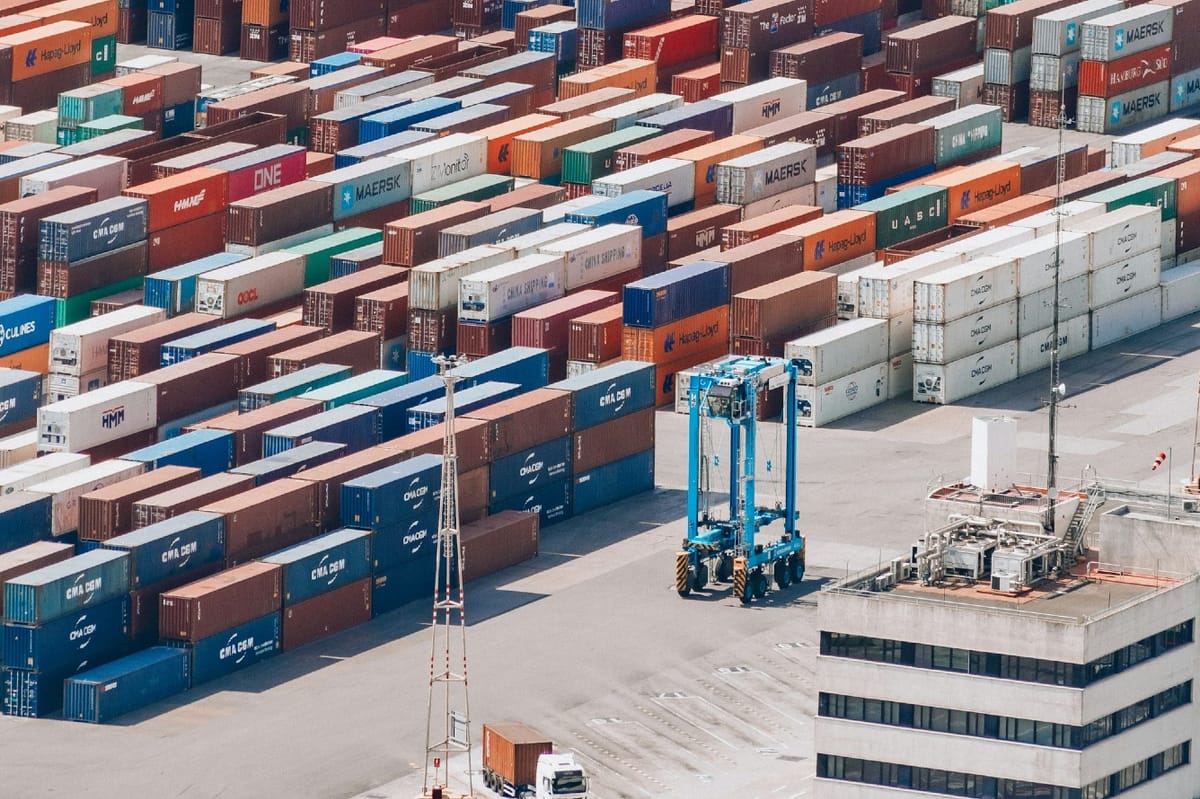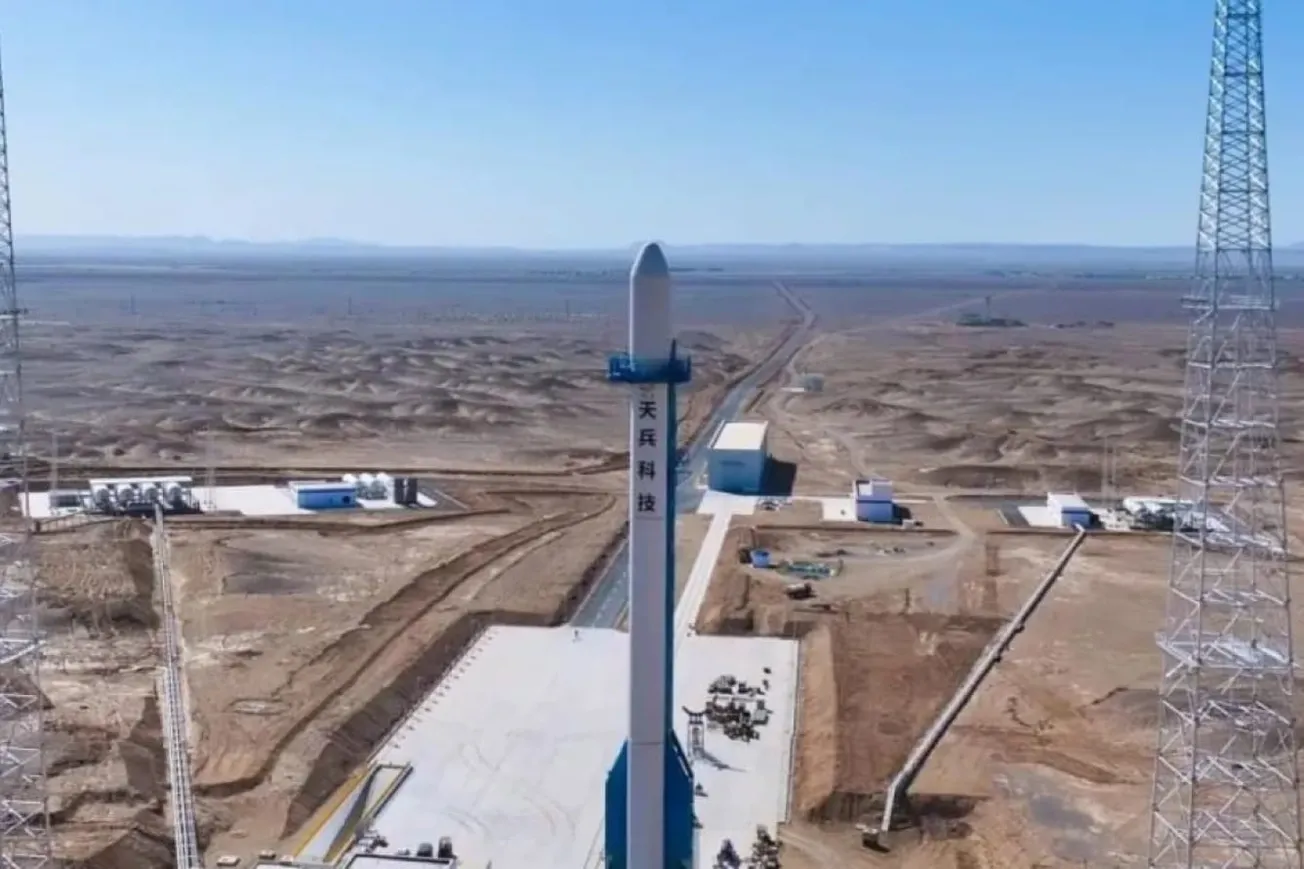

A Supreme Court ruling striking down President Donald Trump’s global tariffs has reshaped the U.S.-China trade balance just weeks before his high-stakes meeting with Chinese President Xi Jinping.
The court found that Trump exceeded his authority by using the International Emergency Economic Powers Act to impose sweeping tariffs. The decision erased a central tool in Trump’s trade strategy.
.@CNNBusiness Supreme Court #tariff reversal cements #China’s upper hand ahead of a critical meeting with #Trump. Analysis by John Liu @JohnLiuNN #US https://t.co/5937IyI2O6
— CNN Asia Pacific PR (@cnnasiapr) February 23, 2026
While the administration quickly moved to reimpose temporary 15 percent tariffs under a different law, those measures require congressional approval within 150 days and offer less leverage.
China has emerged as the main beneficiary. Analysts say the ruling weakens Washington’s negotiating position while validating Beijing’s decision to retaliate rather than concede.
China has reduced its exposure to U.S. pressure by diversifying trade, redirecting exports, and leveraging its dominance in rare earth minerals.
Economists estimate tariffs on Chinese goods will fall significantly, narrowing the gap with other Asian exporters. The ruling adds uncertainty ahead of Trump’s Beijing visit and underscores how fragile the current U.S.-China trade truce remains.
Also Read:
 TIPP Staff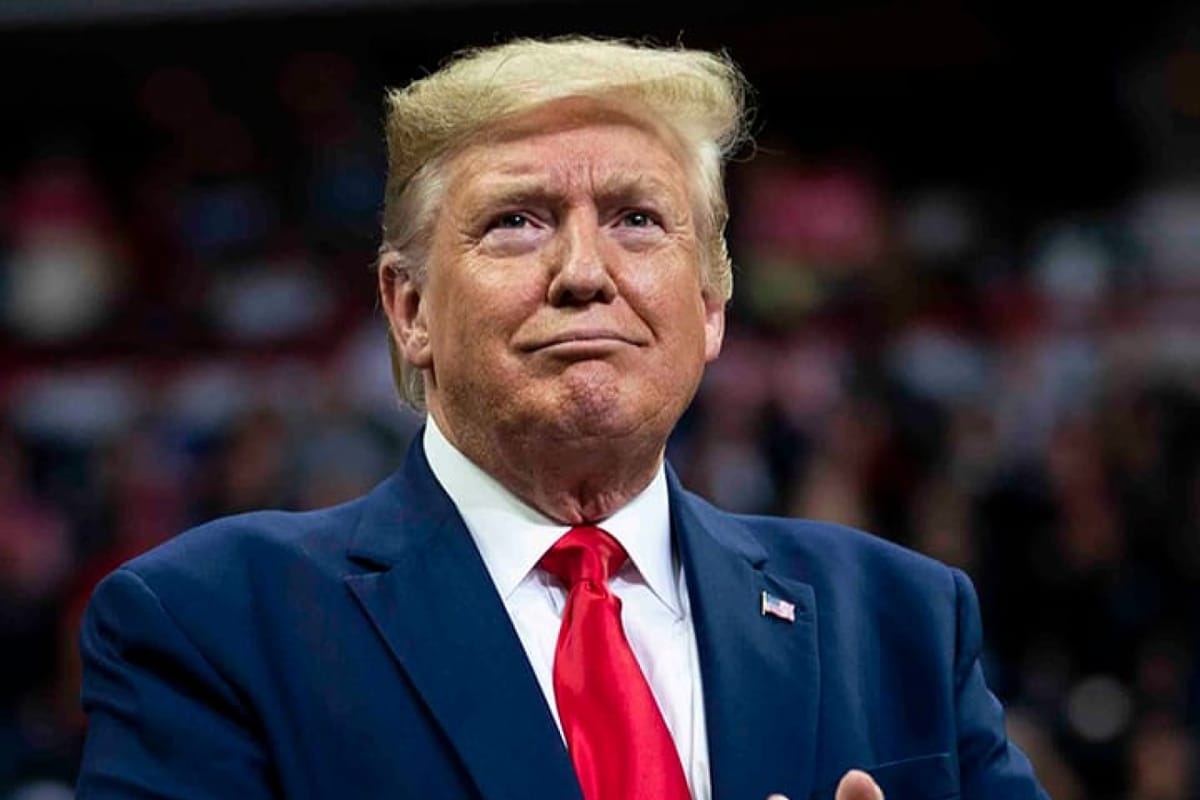
 TIPP Staff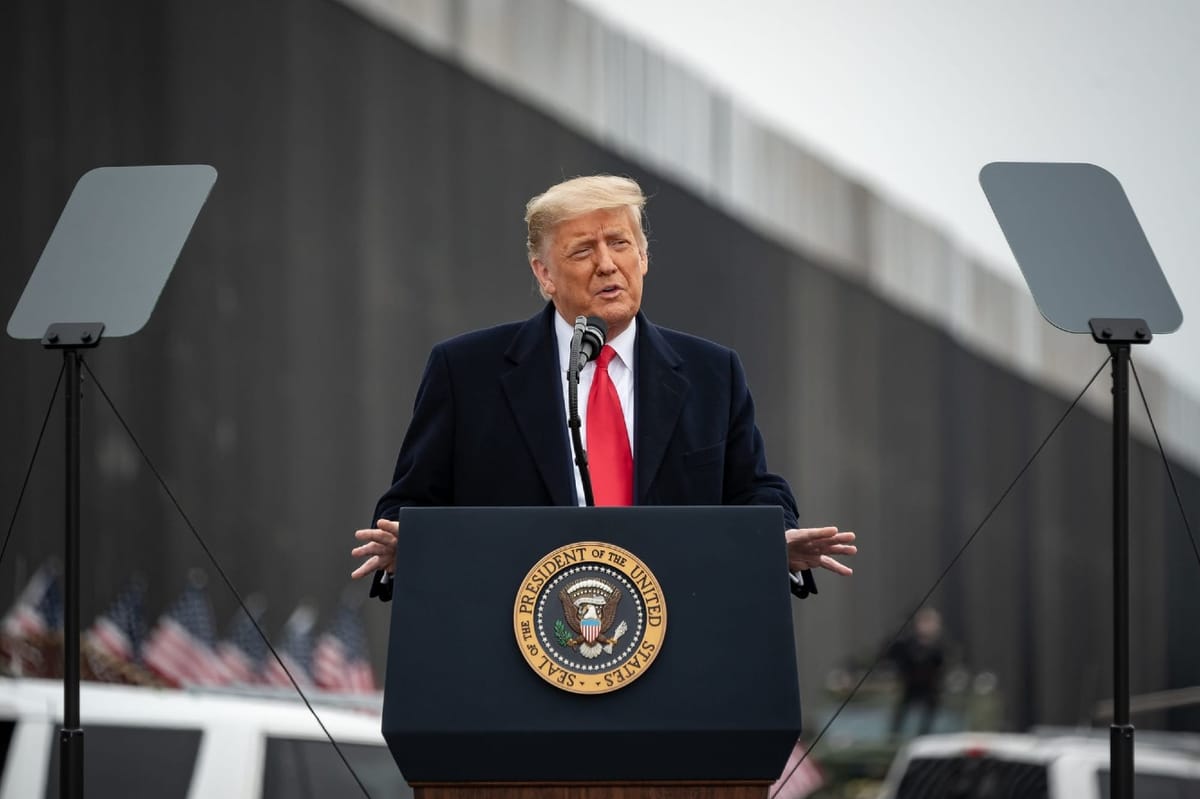
 TIPP Staff
 TIPP Staff