Skip to content

Taiwan Seeks Answers After Supreme Court Ruling Shakes U.S. Tariffs

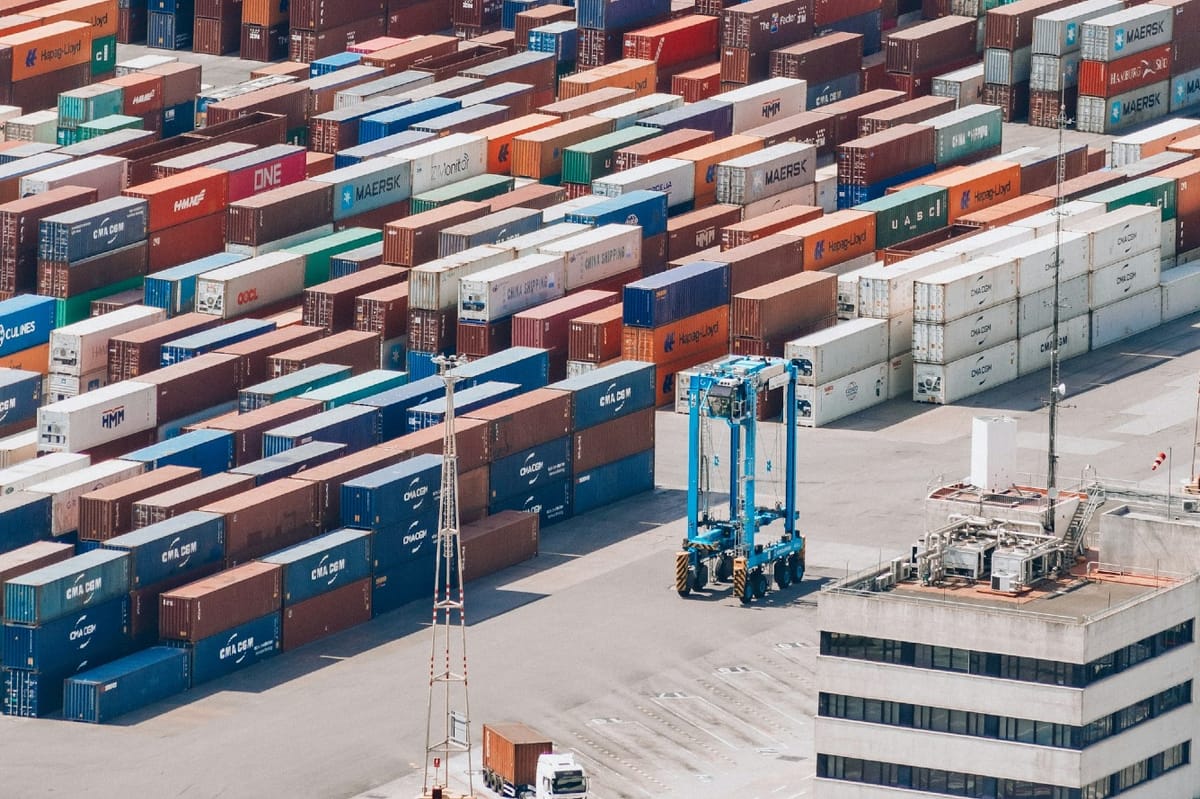
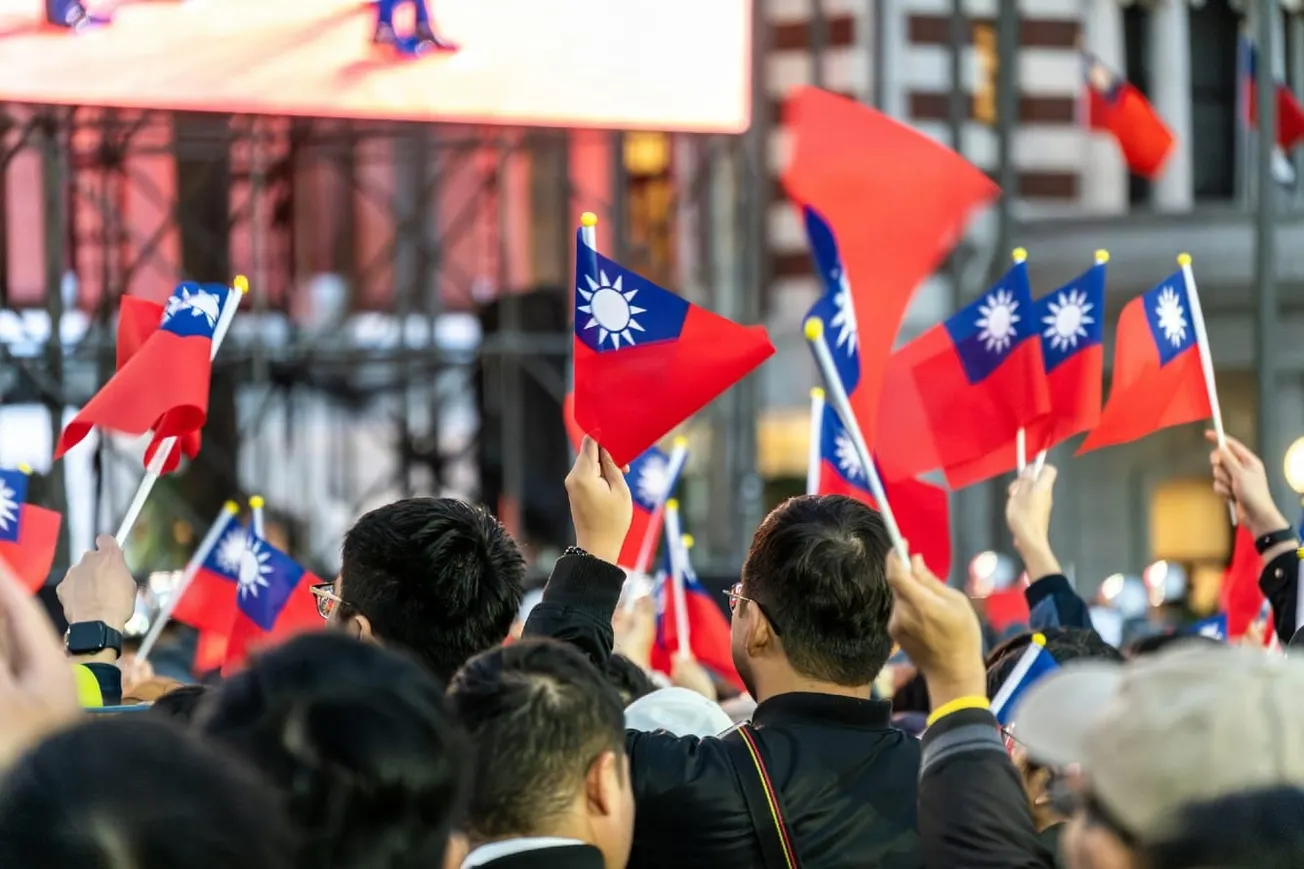
Photo by Timo Volz / Unsplash

Taiwan is seeking urgent clarification from Washington after the U.S. Supreme Court struck down President Donald Trump’s tariff authority, injecting uncertainty into existing trade arrangements.

Following the ruling, Trump invoked Section 122 of the Trade Act of 1974 to impose a temporary 15 percent global tariff.

Taiwanese officials said previously negotiated trade and investment agreements remain intact but acknowledged concerns over whether exemptions would hold under a new legal framework.

Premier Cho Jung-tai said Taipei has contacted U.S. officials to understand the legal basis of the move. President William Lai Ching-te sought to reassure the public, saying Taiwan is prepared and determined to preserve its trade advantages.

Opposition lawmakers warned the ruling undermines the legal foundation of the Taiwan-U.S. tariff deal and called for transparency and possible renegotiation. Analysts said the decision signals continued volatility in U.S. trade policy, raising risks for export-dependent economies like Taiwan.

Also Read:

Trump Responds Quickly With New 10% Global Tariff After Court Blocks Trade Plan
President Donald Trump said he will impose a new 10 percent global tariff through an executive order, hours after the Supreme Court struck down his broader tariff plan. Trump said the new levy will add to existing tariffs that remain in effect. The court in its ruling on Friday found
Trump Calls Tariff Ruling Disappointing, Vows Alternative Measures
President Donald Trump criticized the Supreme Court on Friday after it struck down his emergency tariffs, calling the ruling “deeply disappointing” and claiming the justices were influenced by “foreign interests.” Speaking to reporters, Trump said he would pursue alternative methods to restore sweeping tariffs that were invalidated by the court.
Tariffs Setback: How Supreme Court Ruling Reshapes Trump’s Economic Strategy
The Supreme Court ruling striking down President Donald Trump’s emergency tariffs represents a major setback for the administration’s economic and trade agenda. In a 6–3 decision, the court ruled that the International Emergency Economic Powers Act does not authorize presidents to impose broad tariffs, reaffirming that tariff
Supreme Court Rules Trump Tariffs Violated Federal Law
The Supreme Court ruled Friday that President Donald Trump violated federal law by imposing sweeping global tariffs under emergency powers, dealing a major setback to a key pillar of his economic agenda. The court found that the White House exceeded its legal authority by acting without congressional approval. The ruling

Comments

Latest