Skip to content

The Three Technologies Disrupting the Global Order

Photo by Alessio Soggetti / Unsplash

By Mark Blyth, Daniel Driscoll, Project Syndicate | November 6, 2025

The great Austrian economist Joseph Schumpeter argued that you could spot a fundamental economic transition by the arrival of new types of goods, new production methods, and new forms of industrial organization. The spread of cheap drones, phones, and solar checks all of these boxes.

PROVIDENCE/CHARLOTTESVILLE – News media tend to focus on the world’s major powers, because they command more resources by dint of their relatively larger economies, militaries, and energy endowments. But there are costs to such dominance. For example, a single American Gerald R. Ford-class aircraft carrier costs $13 billion, while the F-35 fighter jet costs around $100 million. So, if you can build your military equipment for less than your opponent, you can gain a strategic advantage.

But even those advantages are slipping as key technologies reshuffle military and power asymmetries. Specifically, cheap drones, phones, and solar are disrupting the global order. The most obvious example is in the military domain, where drones are allowing “weaker” countries to inflict significant damage on larger opponents. In June 1, Russia was caught completely off guard by “Operation Spiderweb,” when trucks secretly carrying Ukrainian drones unleashed their freight around Russian air bases, ultimately destroying significant numbers of Russian warplanes.

Ukraine has revolutionized drone warfare and is now churning out more than 200,000 first-person-view (FPV) drones per month. Producing them does not require a massive military industrial complex or high capital expenditures; anyone can buy commercial versions of FPVs for under $300. Moreover, these low costs belie the power of the technology. FPV drones can easily slip through enemy defenses and surveil targets for hours. They can deliver precision strikes or adapt to multiple roles. How many would it take to disable a Ford-class carrier, and at what fraction of the carrier’s cost?

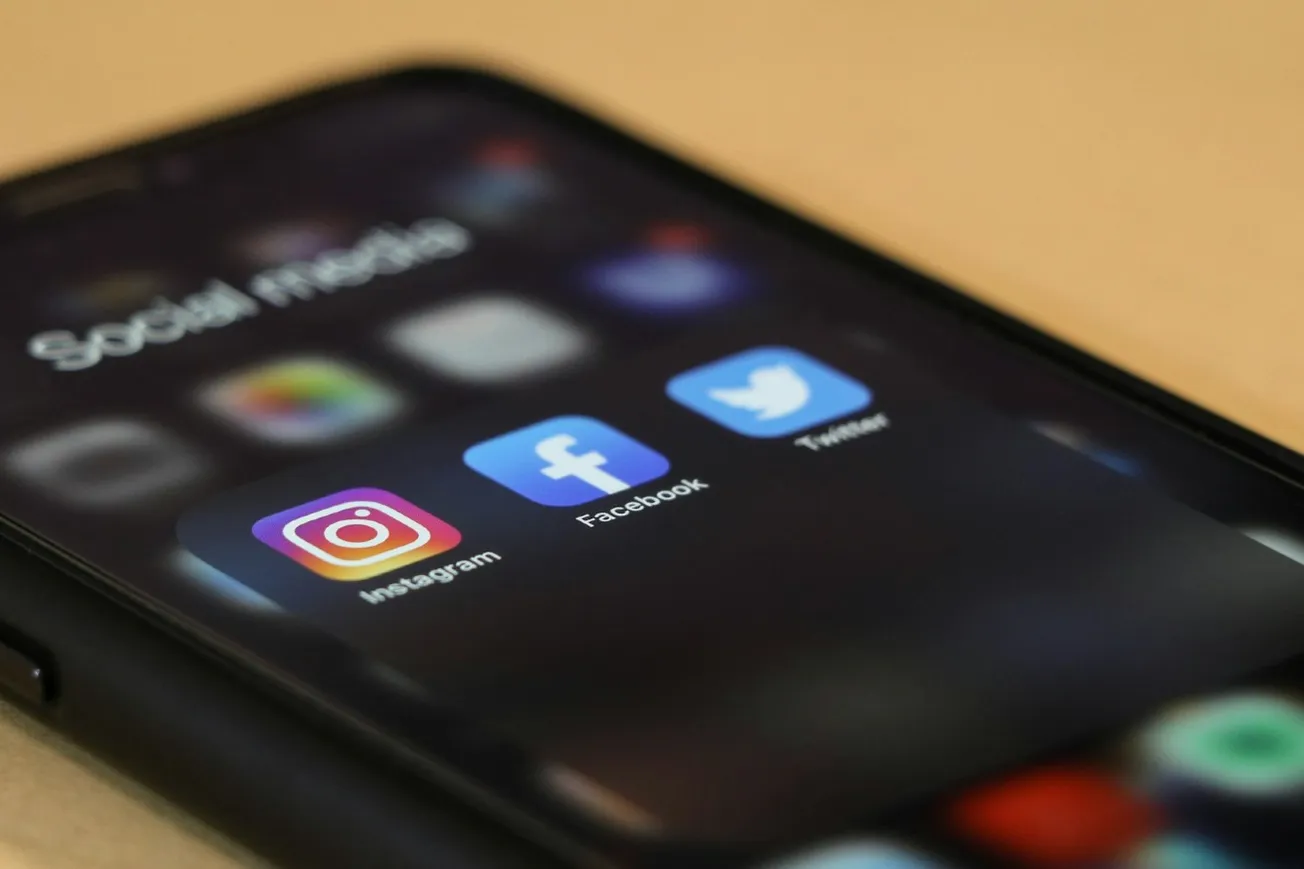
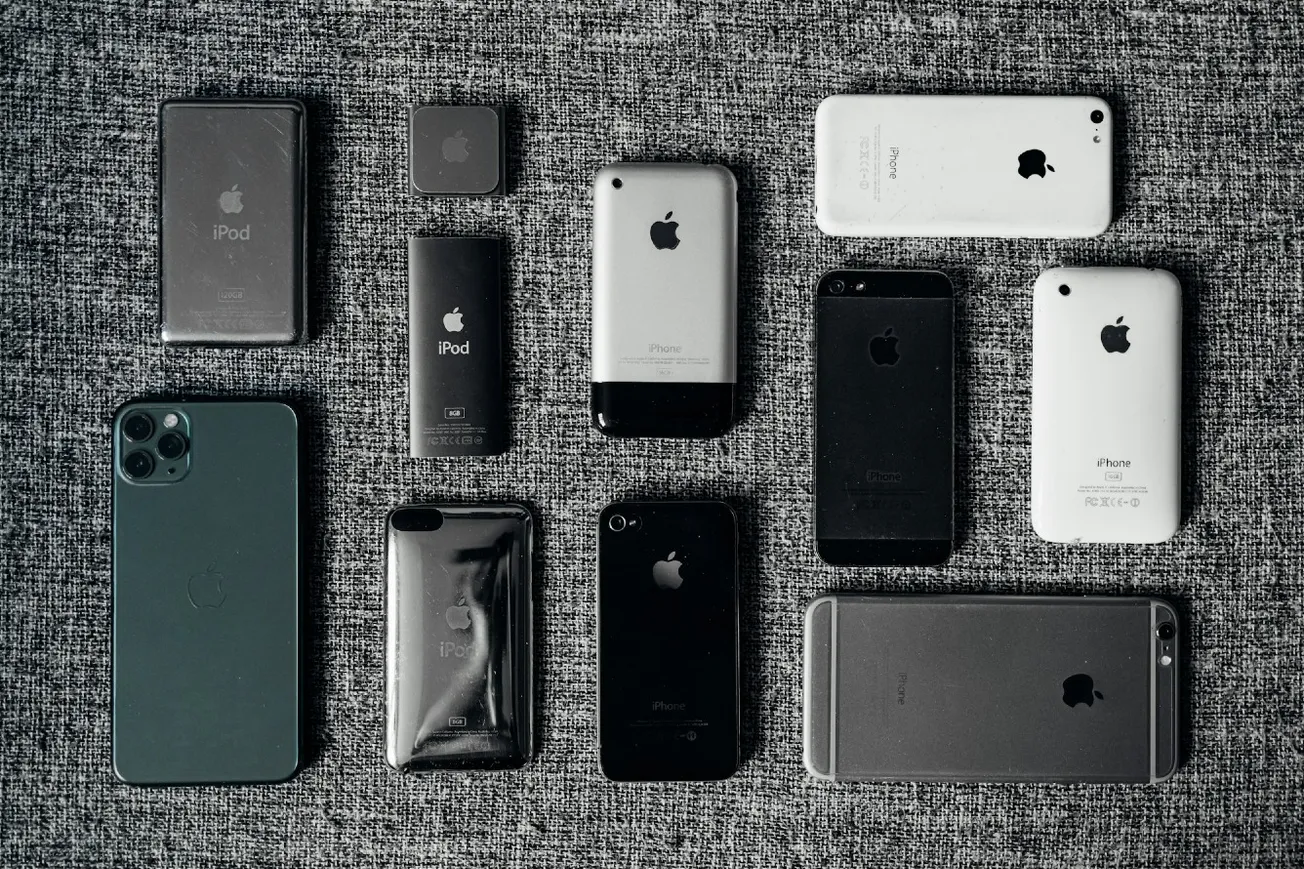
Similarly, in finance, the mobile phone is disrupting and – more significantly – extending the reach of information, markets, and products in ways that disintermediate established players. It is also transforming education, employment, and growth throughout the Global South.

In a country like Kenya, communication, information access, and financial services traditionally required significant investment in technological infrastructure and capital goods. But with over 80% of the population adopting the smartphone, that is quickly changing. Mobile financial transactions are now the norm, with usage reaching 77% and 89.7% in rural and urban areas, respectively. The economic benefits are clear. The Kenyan government estimates that the digital economy will account for nearly 10% of GDP in 2025. And as prices for phones and access continue to fall, established players in media, banking, and other services will find themselves squeezed.

When it comes to energy, the United States is the world’s second-biggest producer, and under President Donald Trump, more of that production is carbon-based. The administration’s trade “deals” regularly include riders that attempt to lock allies and trading partners into long-term fossil-fuel use by accepting US exports of oil, liquefied natural gas, and other petroleum derivatives. But solar is disrupting this sector, too. While Europeans and Americans worry about China’s dominance in green tech, they are ignoring energy consumers. As the Chinese solar industry has brought prices down, many developing countries and emerging markets have capitalized on this increasingly affordable source of energy.

For example, in 2025, Algeria’s solar imports from China grew 85-fold from their 2024 level. Pakistan also has taken advantage of cheap panels, generating 20% of its electrical power from solar. Across the Global South, solar offers energy security and freedom from the current-account crunch that comes with importing energy. Especially in off-grid rural areas, solar means true energy independence, improving quality of life for millions of people.

Here, too, established players with monopoly positions are being disintermediated by cheap technologies. Even in hydrocarbon-exporting countries, the logic of solar is compelling. It protects domestic consumption from geopolitical price shocks and allows fossil fuels to be used primarily as an export, which is far more profitable.

While these three technologies are notable and interesting on their own, together their adoption suggest that a greater global economic transition may be underway. The Austrian economist Joseph Schumpeter argued that you could spot such a transition by the arrival of new types of goods, new production methods, and new forms of industrial organization. Drones, phones, and solar check these boxes.

We are witnessing not just a technological or organizational transformation within one country, but a geopolitical transformation in which the long-held advantages of the big and powerful are being undermined by cheap, shareable innovations. It remains to be seen whether AI, if it ever pays off, will reverse or reinforce this trend, but our bet is that it will accelerate it.

Mark Blyth, Professor of International Economics and Director of the William R. Rhodes Center for International Economics and Finance at Brown University, is the co-author (with Nicolò Fraccaroli) of Inflation: A Guide for Users and Losers (W. W. Norton, 2025).

Daniel Driscoll, Assistant Professor of Sociology at the University of Virginia and Nonresident Fellow at the Roosevelt Institute, is the author of the forthcoming Why Carbon Taxes Failed (Oxford University Press).

Copyright Project Syndicate

Your feedback is incredibly valuable to us. Could you please take a moment to grade the article here?

1. Why Europe Is Tightening Its Grip On Chinese Tech And Retail Firms

2. Nordic, Baltic Allies Unveil $500 Million Arms Package For Ukraine

3. China Warns Japan Of ‘Aggression’ If It Enters Taiwan Strait Conflict

4. China’s Singles’ Day Slows As Shoppers Cut Back On Big Spending

5. U.S. And China Step Up Crackdowns On Global Crypto Scam Networks

6. What New People’s Liberation Army Data Reveals About China’s Expanding Carrier Power

7. Trump Weighs New Military Options As U.S. Forces Build Up Near Venezuela

8. Arson Attacks By Israeli Settlers In The West Bank Surge Amid Olive Harvest Season

9. Government Reopens As Trump Slams Democrats Over 43-Day Standoff

10. How Newly Unsealed Epstein Emails Pulled Trump Back Into The Spotlight

11. Apple’s $229 iPhone Pocket Is Sparking Laughs And Questions

12. Disney Shares Sink After Revenue Slip Despite Strong Streaming Growth

13. Ammonia Leak Forces Mass Evacuations In Oklahoma City Suburb

14. Jeff Bezos’ Blue Origin Targets Mars As New Glenn Rocket Faces Its Biggest Test Yet

15. AI Safety Push Grows As States, OpenAI, And Microsoft Team Up

16. Why ChatGPT’s New ‘Warmth’ Raises Big Mental-Health Questions

17. Emory University Expands Bitcoin Bet With $52 Million ETF Stake

Market Pulse

Credit: Barchart.com
📧
Letters to the editor email:
editor-tippinsights@technometrica.com
📰
Subscribe Today And Make A Difference. Consider supporting Independent Journalism by upgrading to a paid subscription or making a donation. Your support helps tippinsights thrive as a reader-supported publication. Contact us to discuss your research or polling needs.

Comments

Latest