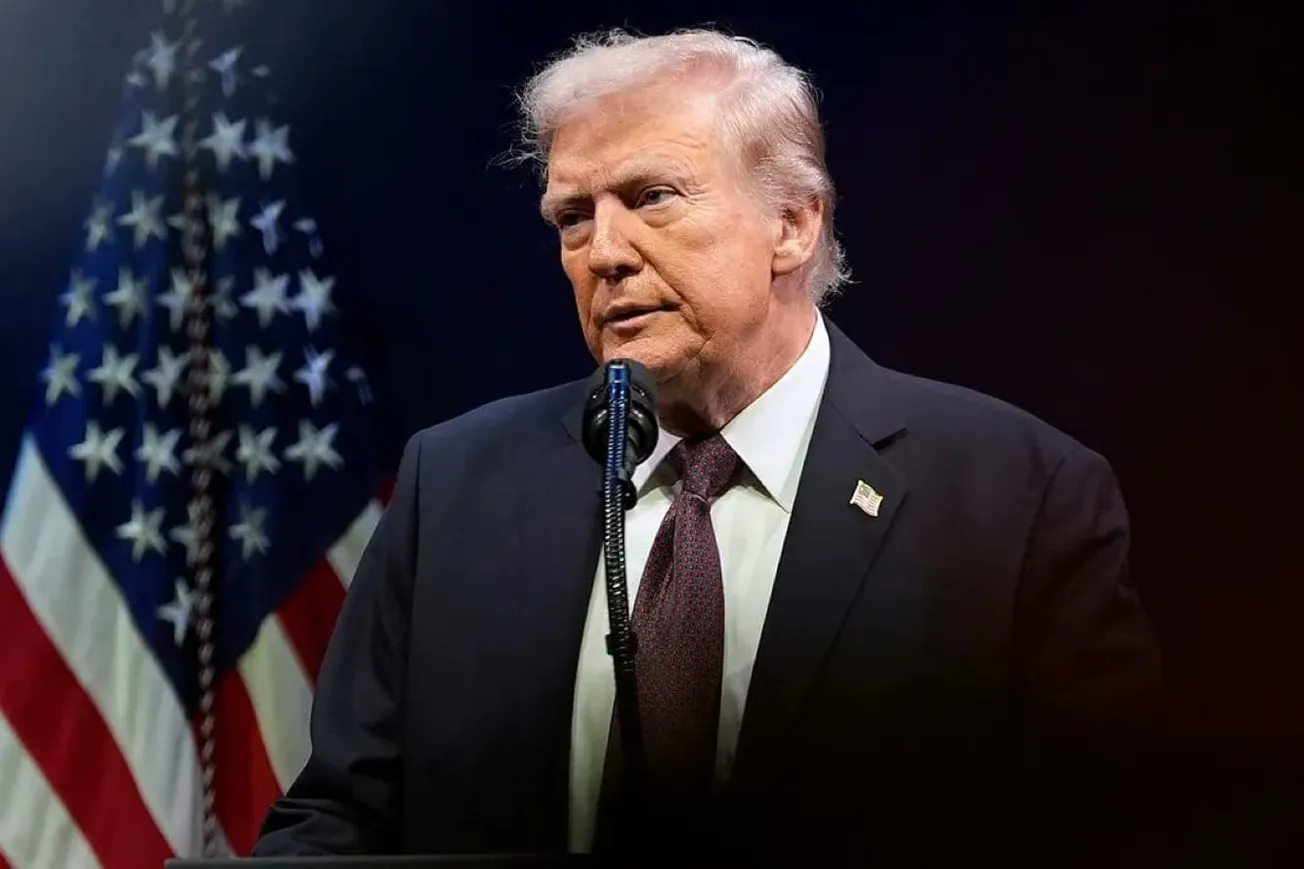

Federal Reserve Chair nominee Kevin Warsh argues inflation has hit Americans without financial assets the hardest and says the Federal Reserve’s massive balance sheet helped embed price pressures across the economy. Speaking at the Reagan National Economic Forum in May 2025, Warsh called for a significantly smaller Fed footprint to restore monetary discipline and reduce long-term economic risk.
▶ Watch: Kevin Warsh on Inflation and the Fed Balance Sheet
Remarks delivered at the Reagan National Economic Forum, May 30, 2025.
Transcript (Edited for Clarity)
In the room, it hasn’t been that big of a deal. We notice it when we go to the grocery store, but we also own financial assets. Maybe we own some Bitcoin. But 52% of our fellow Americans own no financial assets.
They don’t have equity in their house. They don’t have an account at Schwab. They don’t have an account at Coinbase. They’re living off their W-2 income, and this surge in prices has destroyed them.
It’s the most regressive tax any government could ever come up with. Imagine if we had a central bank that had been deadly focused on that. I think we wouldn’t have taken a divided country and made it more divided.
When we have a big balance sheet, we’re asking for the inflation that came. And as a final point, my own judgment is that the story I hear from many of my peers — that inflation is not really the central bank’s fault, that it’s because of Putin and the pandemic — is nonsense.
Changes in prices happen in a market economy because of shocks in the world. Changes in prices happen every day. That’s not what inflation is. Inflation is when those changes in prices become embedded.
It’s second- and third-order effects, and that’s what’s been the biggest harm to the country. My recommendation is a smaller balance sheet. It takes the Fed back to a more manageable size and a more serious job. And interestingly, if you can have a smaller balance sheet, you can have lower interest rates.
Back to you.
Question: How much smaller?
When I joined, the Fed balance sheet was about $880 billion, including a bunch of foreign currencies. We do need some balance sheet to conduct our underlying business, to help run the Treasury market, and to be a good counterparty to the rest of the central banks in the world.
The economy has obviously grown since then. I wouldn’t want to put a precise number on it. But right now, the Fed balance sheet is about $7 trillion. They are participating in almost every banking market almost every day.
The world has come to rely on the central bank’s massive imprimatur. I would say it is trillions larger than it needs to be. We can’t make this change overnight. But if markets knew our objective was to get to a balance sheet that was as riskless and as small as possible, and that we would get there in due time and with a strategy, I think markets and market participants could adjust to it.
The central bank could then be a powerful central bank, but a more limited one, and I would argue it wouldn’t find its way into harm’s way politically or economically.
Transcript lightly edited for clarity; remarks delivered live.