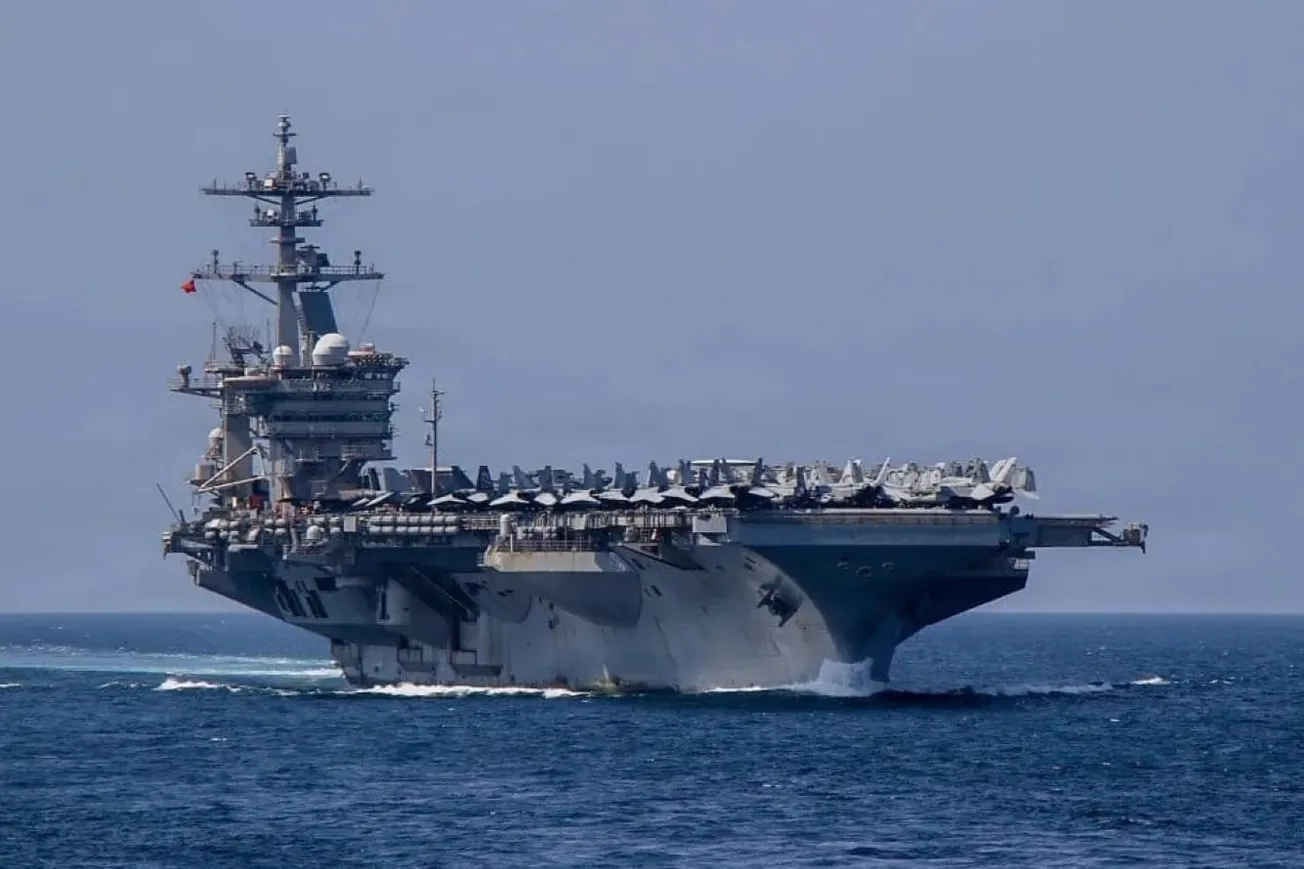
The United States has moved to enforce a naval blockade on Iranian ports, sharply escalating tensions in the Gulf after ceasefire talks collapsed, as reported by multiple agencies.
President Donald Trump ordered the measure to pressure Tehran, with U.S. Central Command confirming restrictions on vessels entering or leaving Iranian ports.
Iran responded with a sweeping warning, saying no port in the Persian Gulf or Gulf of Oman would be safe if the blockade continues. According to state media, Iranian officials signaled readiness to retaliate, raising fears of wider conflict.
Iran’s Armed Forces Central Headquarters warned that any threat to its ports would trigger retaliation, saying “no port” in the region would remain safe. #Iran #WorldNews #US #Hormuzhttps://t.co/s9mTpCsmuw pic.twitter.com/kIxKDoQN2J
— News18 (@CNNnews18) April 13, 2026
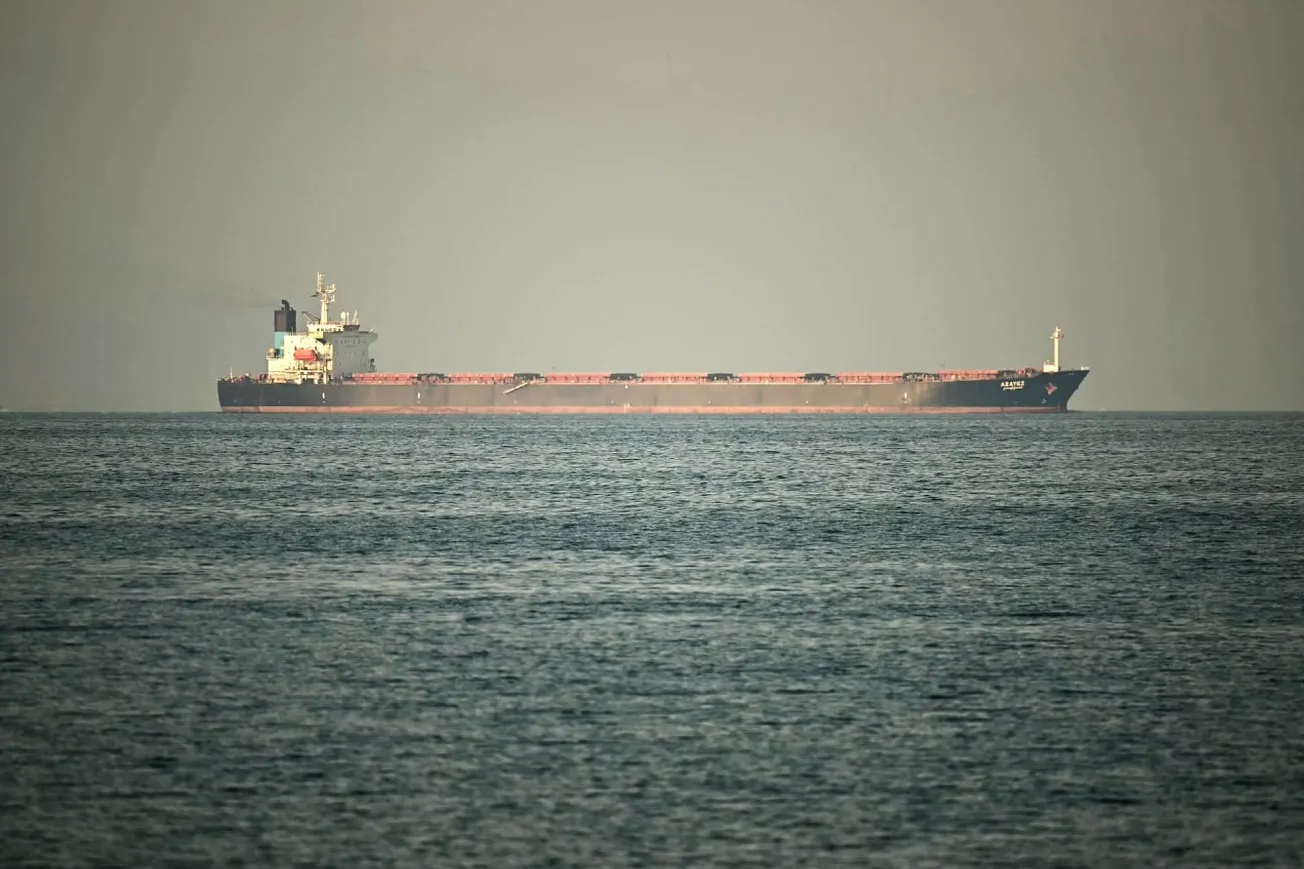
Oil markets reacted immediately, with prices jumping above $100 per barrel amid concerns over disrupted supply. Limited tanker movement through the Strait of Hormuz has already slowed significantly, the report said.
Allies appear divided. Israel backed the U.S. move, while the United Kingdom said it would not participate.
Negotiations remain stalled over Iran’s nuclear program and sanctions relief, with uncertainty growing ahead of the ceasefire deadline.
Also Read:
 TIPP Staff