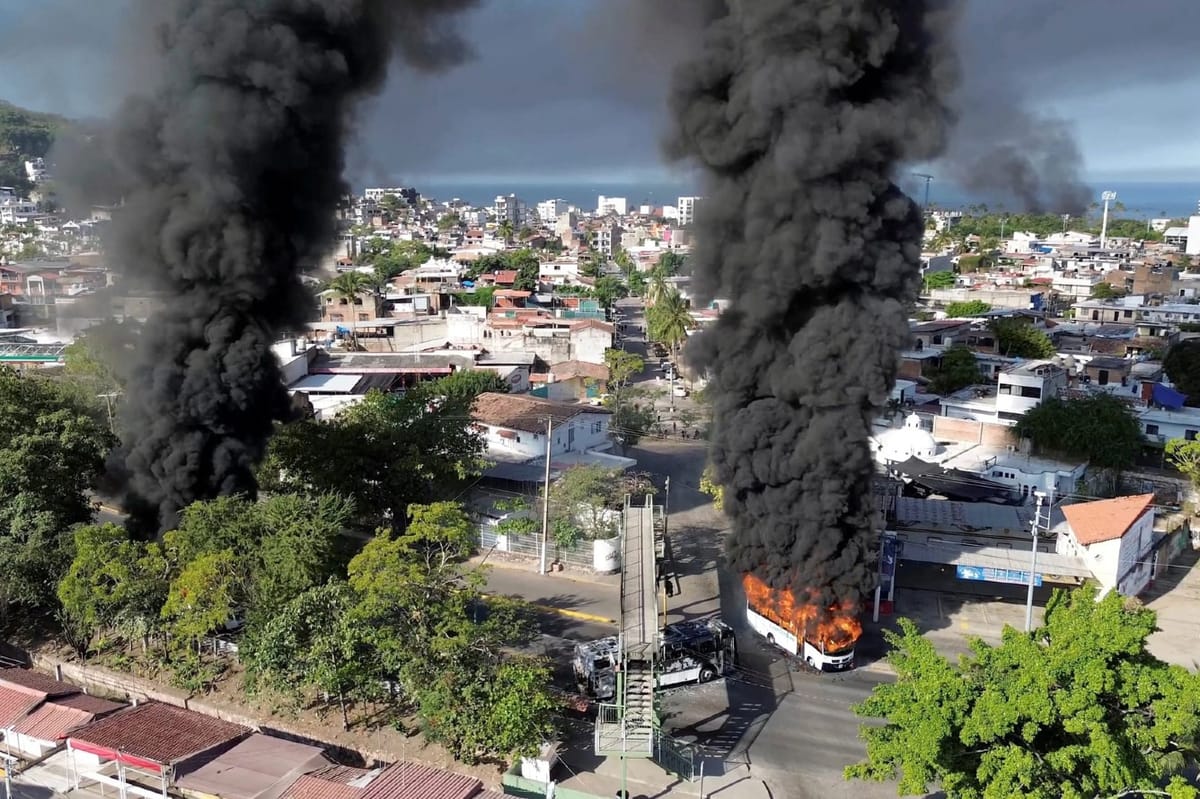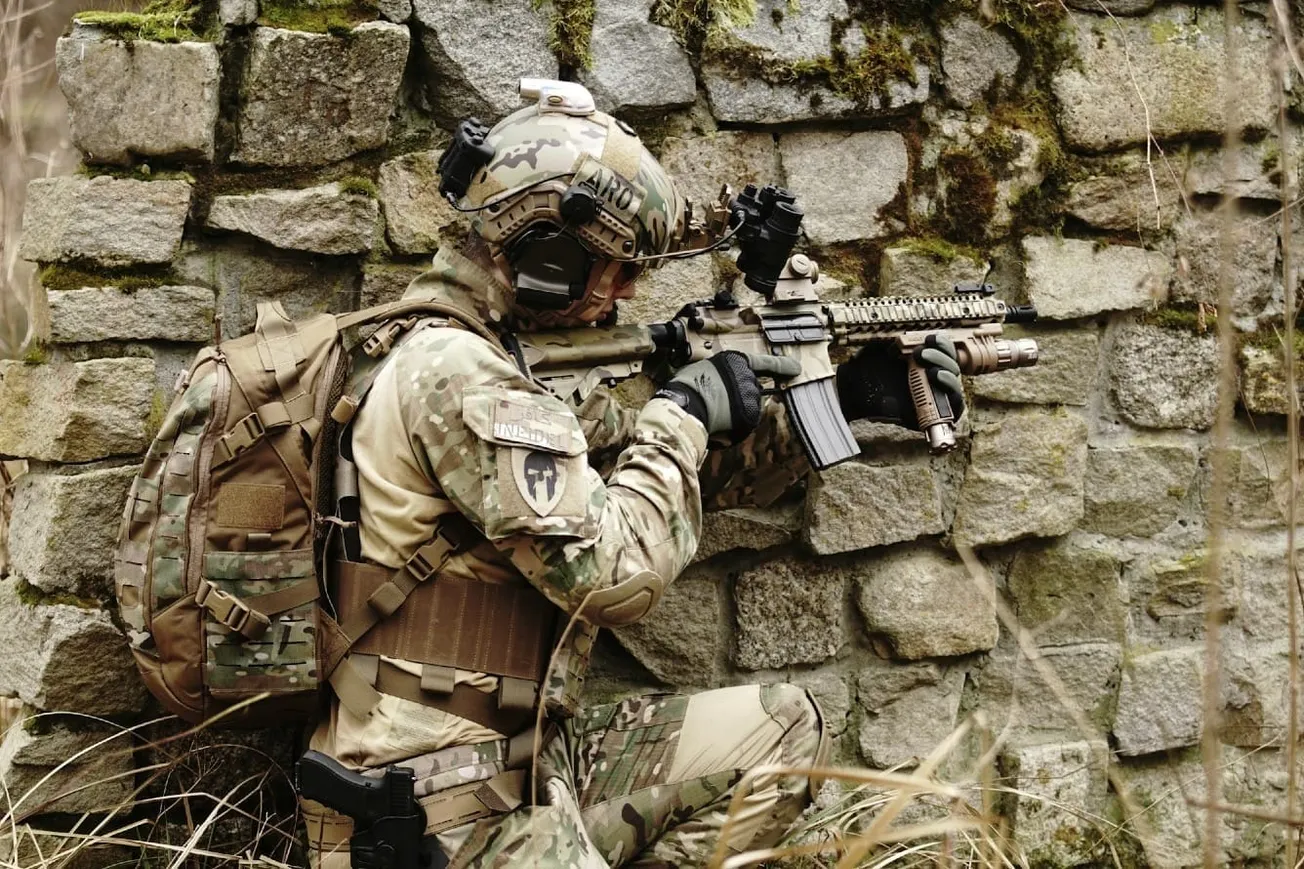
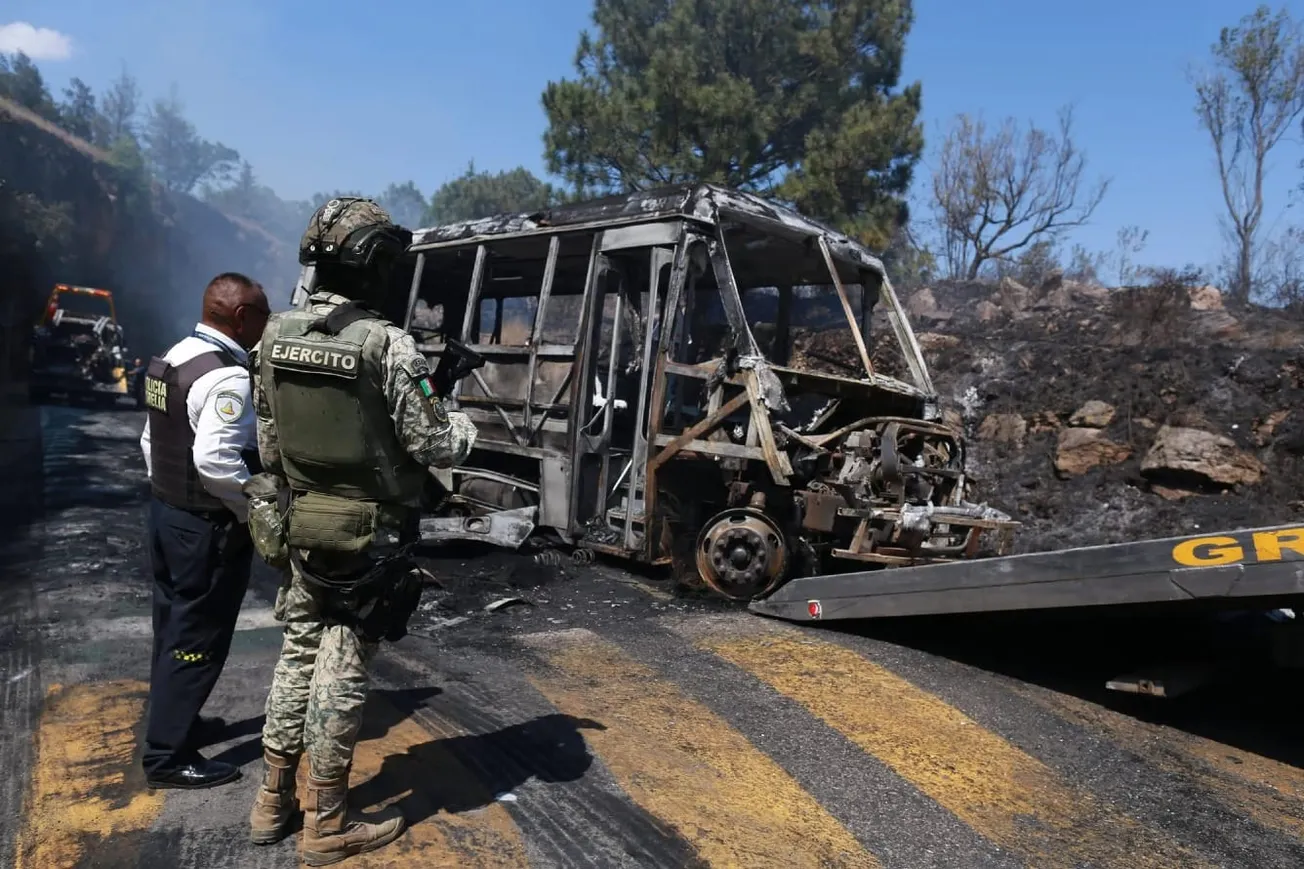
The U.S. homeland security officials are closely monitoring potential retaliation by U.S.-based cartel networks following the killing of Nemesio Rubén Oseguera Cervantes, leader of the Jalisco New Generation Cartel, during a Mexican military raid on Sunday.
Officials say there is no immediate threat to the United States but warned that CJNG maintains extensive trafficking, logistics, and financial operations inside the country. Law enforcement agencies are watching for spikes in violence, intimidation, or money collection tied to cartel activity.
CARTEL CLASHES: 25 Mexican National Guard troops and dozens of cartel-linked suspects were killed amid violence following an operation the saw the death of Jalisco New Generation Cartel leader Nemesio Oseguera Cervantes. https://t.co/f0dPntn8Al
— Fox News (@FoxNews) February 23, 2026
Authorities also noted that dozens of cartel suspects have recently been transferred to U.S. custody as part of stepped-up bilateral enforcement.
The raid followed expanded intelligence cooperation between Washington and Mexico under President Claudia Sheinbaum, with U.S. agencies providing intelligence support while Mexican forces carried out the operation.
U.S. officials emphasized no American personnel were deployed on the ground. Despite the loss of its founder, CJNG is expected to remain operational.
Analysts say internal power struggles have already triggered retaliatory violence across multiple Mexican states, a pattern seen in past cartel takedowns.
Also Read:
 TIPP Staff