The newly signed U.S.-Iran memorandum of understanding has eased immediate fears of a wider Middle East conflict, but analysts say significant obstacles remain before a lasting peace can be achieved.
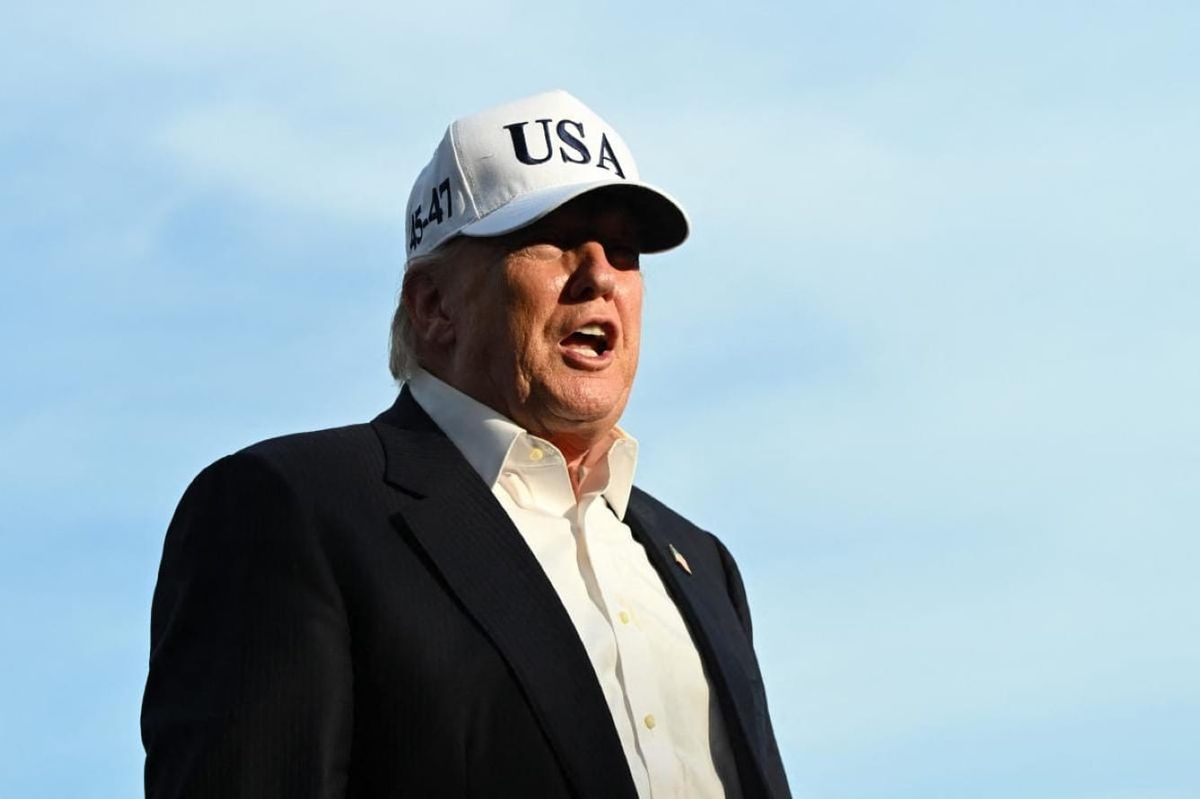
Under the agreement, President Donald Trump and Iranian President Masoud Pezeshkian committed to a ceasefire framework, the reopening of the Strait of Hormuz, and 60 days of negotiations aimed at reaching a final settlement.
According to details released by Washington, the deal could eventually lead to sanctions relief, the unfreezing of Iranian assets, and a reconstruction fund for Iran.
However, analysts cited in the report argued that Tehran appears to have secured substantial concessions while offering limited new commitments on its nuclear program. Key issues, including nuclear oversight, sanctions removal, and long-term control of the Strait of Hormuz, remain unresolved.
The report said uncertainty also surrounds Israel’s role. Israeli officials have indicated they are not bound by the agreement, and military activity in Lebanon has continued despite the ceasefire framework.
Observers noted that the upcoming 60-day negotiation period will determine whether the agreement evolves into a durable peace deal or becomes another temporary pause in regional tensions.
Related Tweet:
Can the US-Iran deal survive a defiant Israel and Hormuz uncertainties? https://t.co/kDYhVnnZb1
— South China Morning Post (@SCMPNews) June 18, 2026
Also Read:
 TIPP Staff