
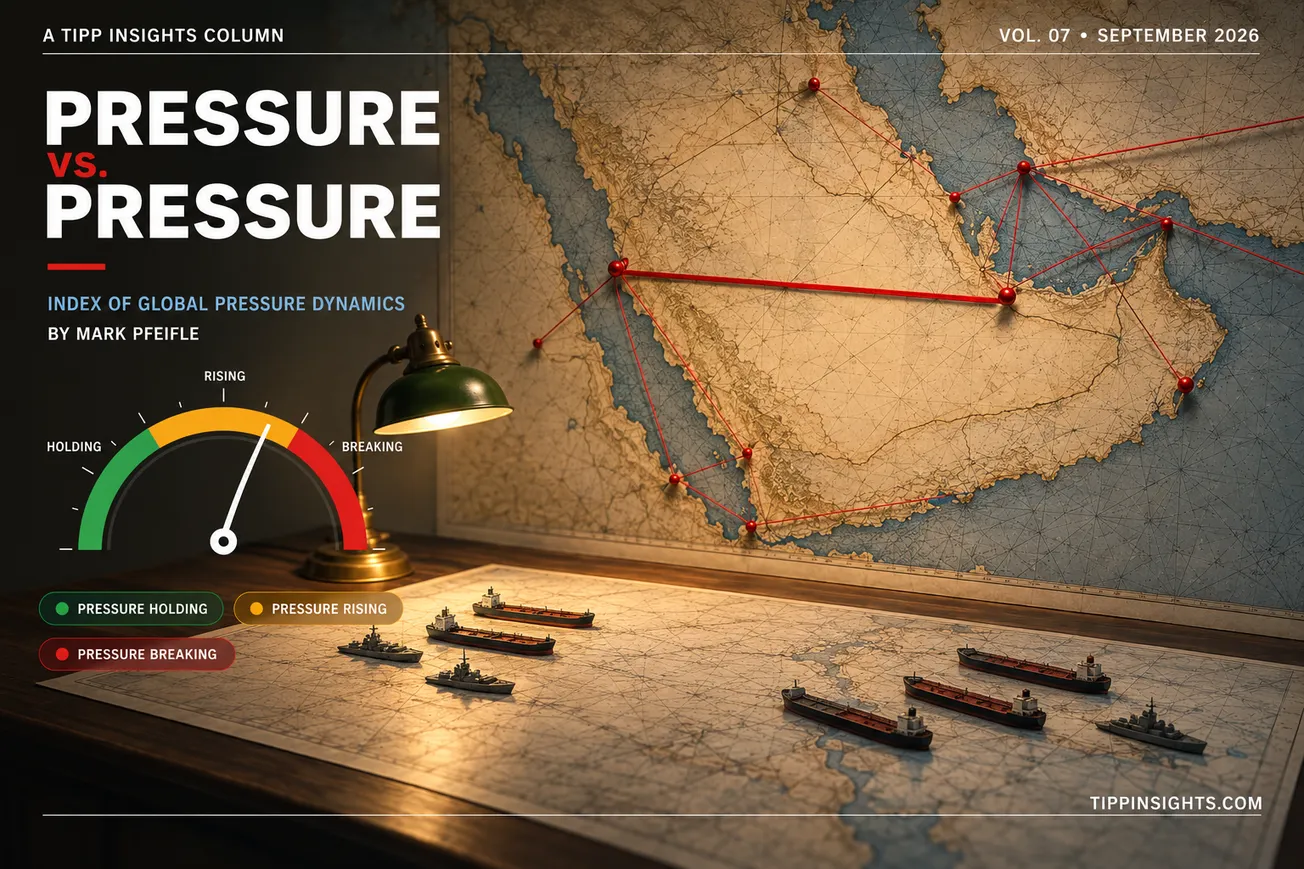
The Saudi Stress Test
With Hormuz squeezed and drones hitting its pipeline, Riyadh rerouted oil, signed up new allies and asked Beijing for help.

Mark Pfeifle was deputy national security advisor for strategic comm. & global outreach from 2007-2009. He led the effort to promote President George W. Bush's "surge" of U.S. forces in Iraq
With Hormuz squeezed and drones hitting its pipeline, Riyadh rerouted oil, signed up new allies and asked Beijing for help.

A Stephen Miller for Iran: a relentless executor with the President's backing and authority to make his government move.
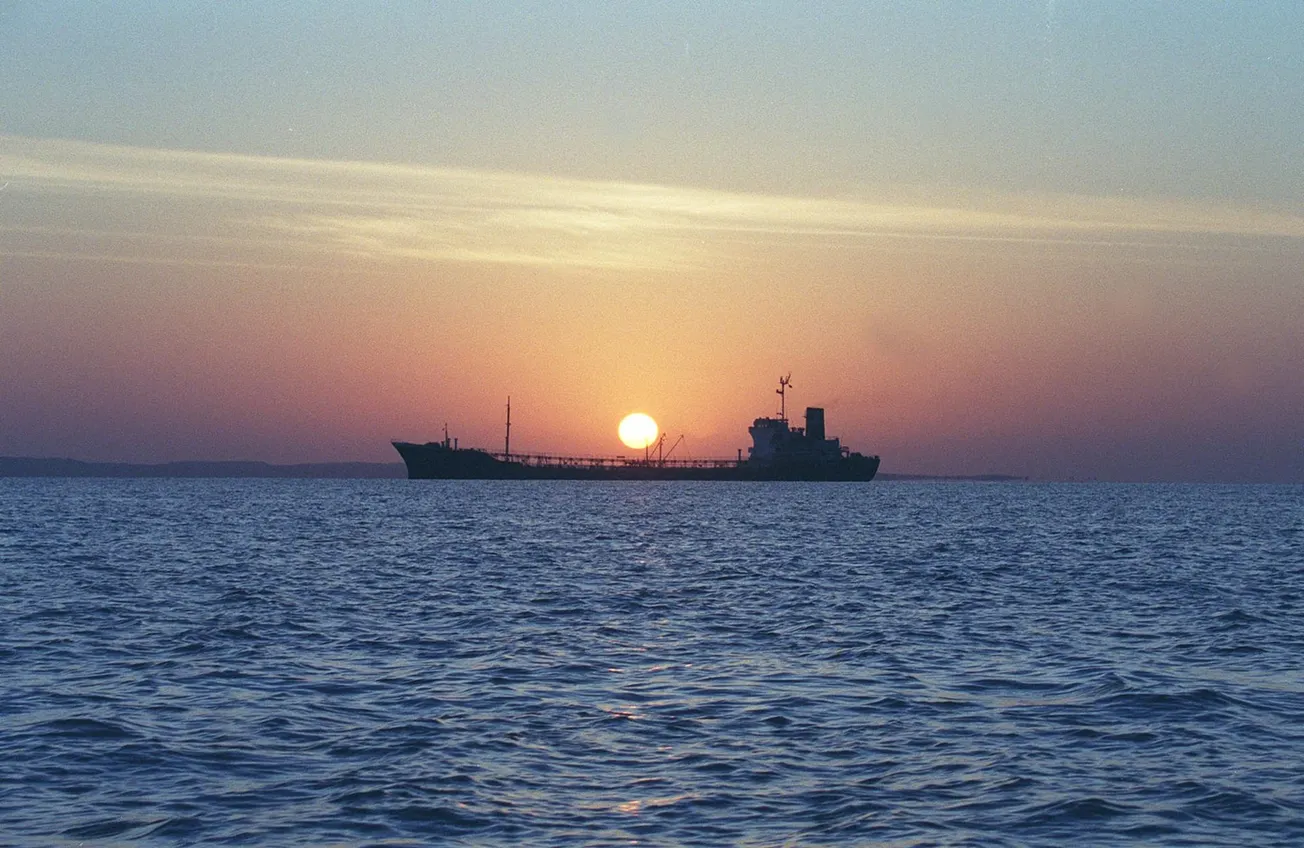
Eight ships went through Hormuz on Tuesday. The prewar figure was about 140 a day, and only one of Tuesday's eight was headed out of the Gulf.
Lebanon, Hormuz, and Iran’s nuclear program are one pressure system, and Washington is treating them as three separate diplomatic wins.
The memorandum is a pressure trade rather than a peace agreement, and Israel is the party with the most leverage to break it.
Pressure vs. Pressure tracks where pressure is rising, where systems are holding, and where pressure is starting to break.
Russia is winning on maps and losing on math. Iran is running out of room.
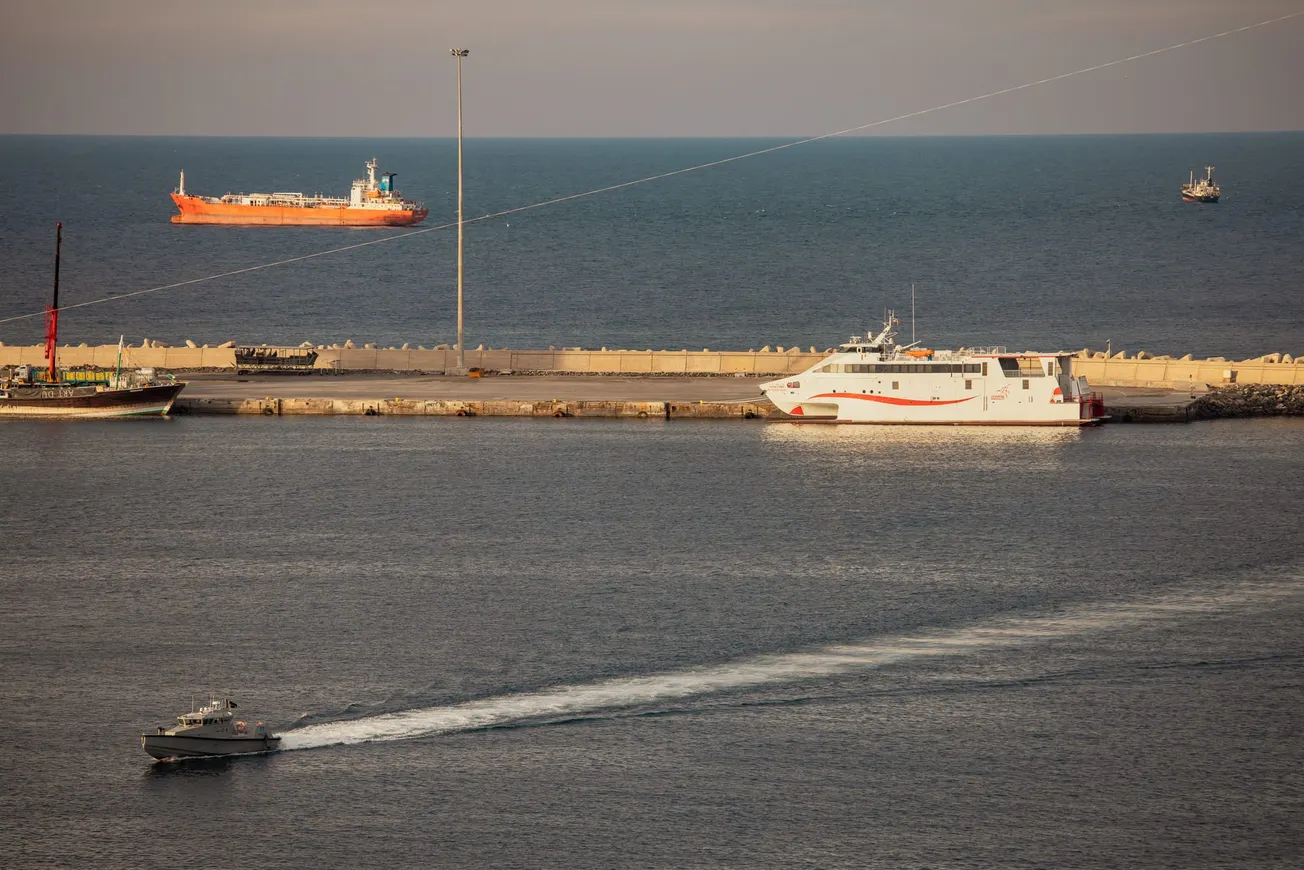
China spent years buying discounted Iranian oil. The bill arrived at Hormuz.
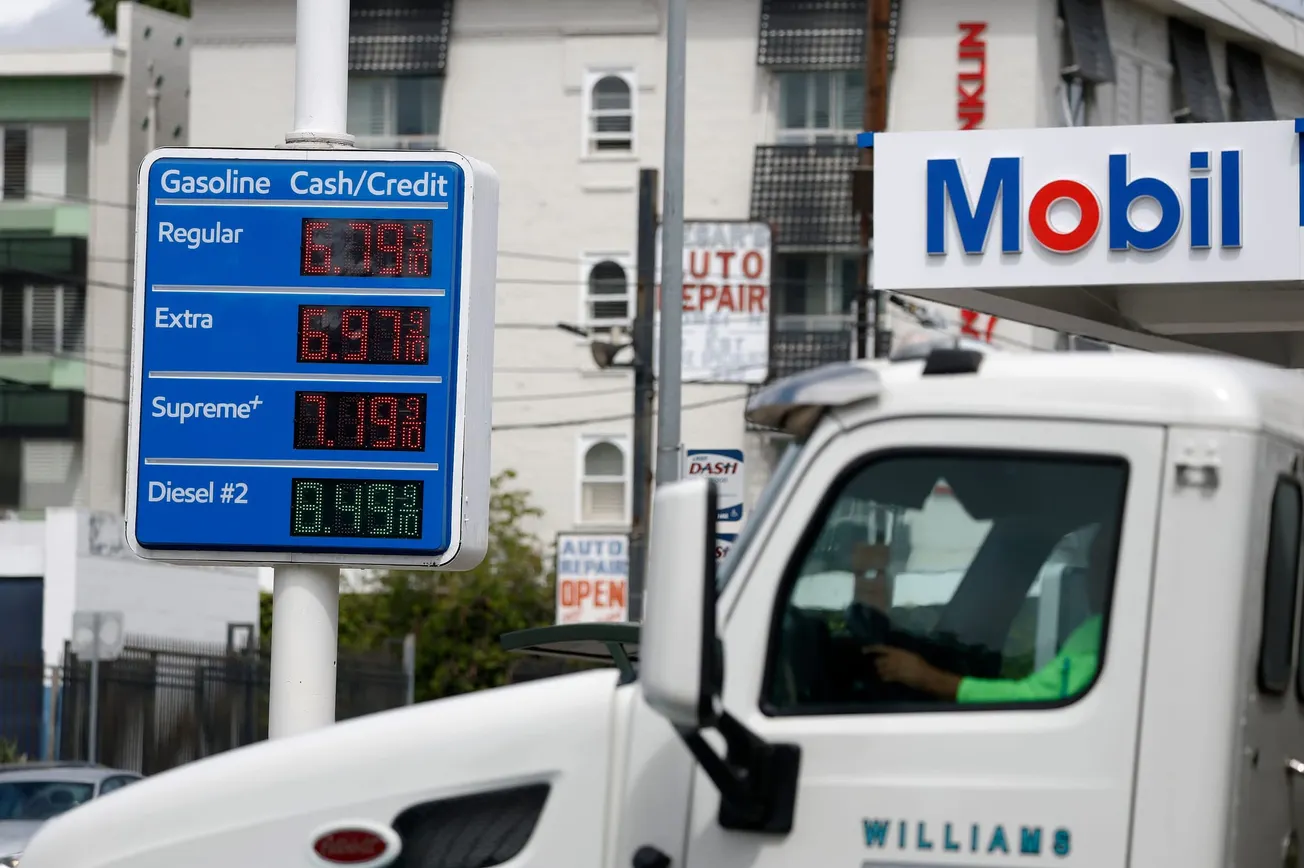

The Strait of Hormuz was studied for decades before it became a crisis this spring. The same pattern is now running through the federal budget, the universities, and the healthcare system.


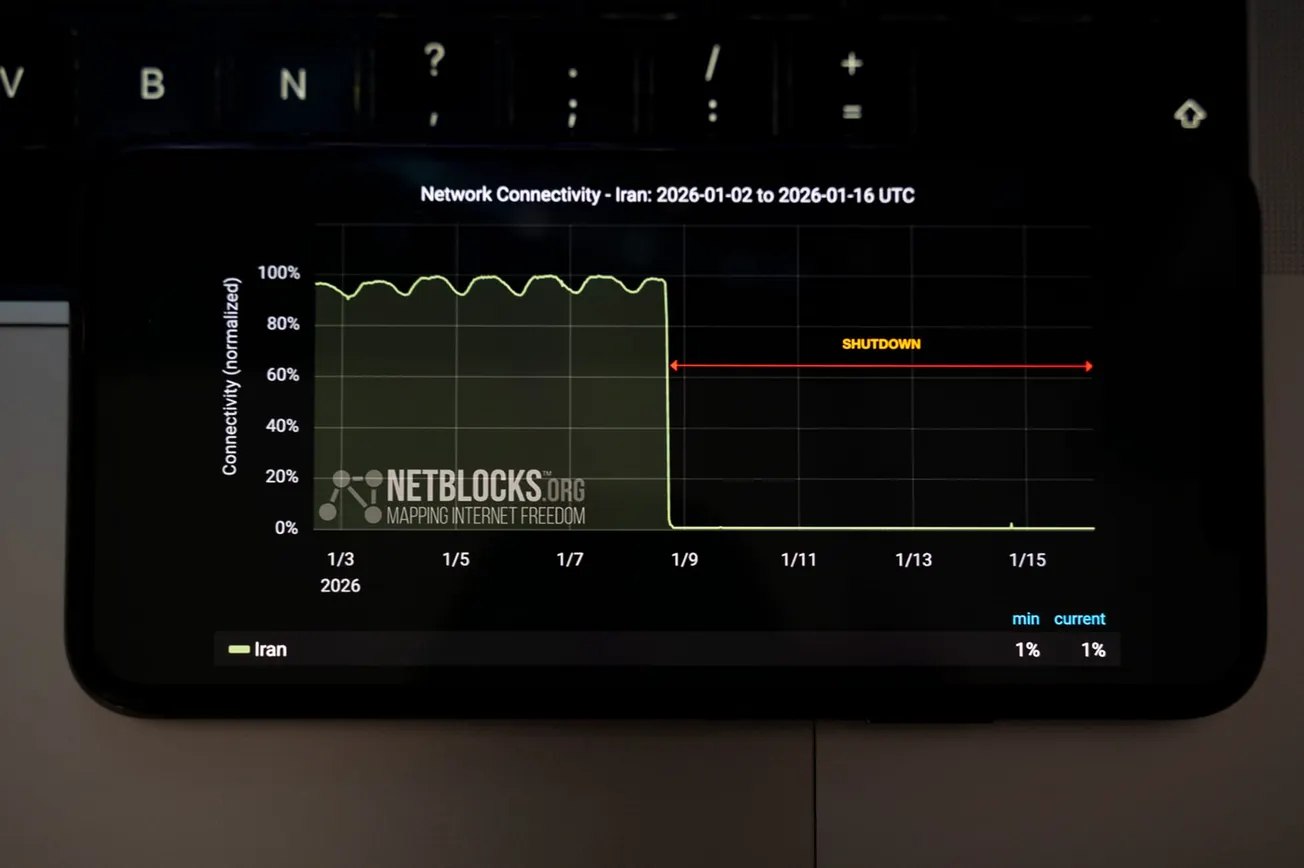
From Tel Aviv, Doha, and the TIPP Insights editorial board, three perspectives on how military pressure, economic strain, and leadership succession may shape the outcome of the Iran conflict.
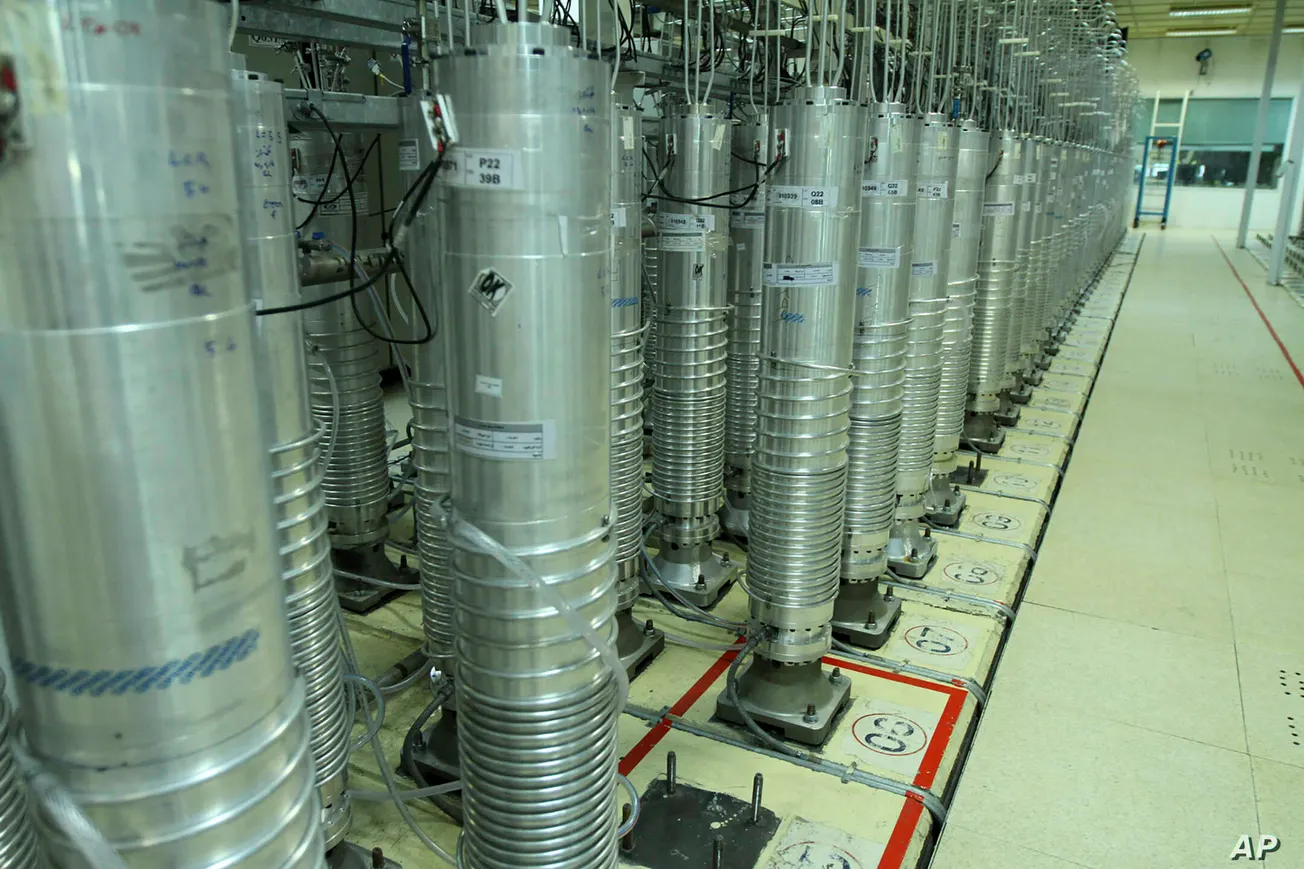
Mark Pfeifle, a former deputy national security adviser for strategic affairs and global outreach who led the campaign to promote President George W. Bush's "surge" of US forces in Iraq, discusses the TIPP Poll findings on the topic of nuclear deal with Iran.