
Skip to content

Ancient Mummy DNA Confirms Smallpox Arrived With European Colonization

Genetic analysis showed the virus belonged to an extinct lineage that bridged earlier European strains and later variants of the variola virus.

Smallpox DNA is recovered from Spanish conquest-era Chilean mummies. Pic via(@straits_times)

Researchers at Trinity College Dublin have identified the oldest known smallpox DNA in the Americas from two mummies discovered in Chile, providing what the researchers describe as the first direct molecular evidence that the virus reached the region during European colonization.

According to the study, the mummies date from between 1492 and 1631, a period that coincides with the arrival and expansion of European settlers in the Americas.

Genetic analysis showed the virus belonged to an extinct lineage that bridged earlier European strains and later variants of the variola virus.

💡
The report said the findings provide molecular confirmation that smallpox was introduced to Indigenous populations during the colonial era, supporting long-held historical accounts with direct genetic evidence.

Researchers said the discovery also helps explain how the disease spread into remote parts of South America, where written historical records from the colonial period are limited, filling an important gap in the history of one of the world's deadliest infectious diseases.

Related Tweet:

Also Read:

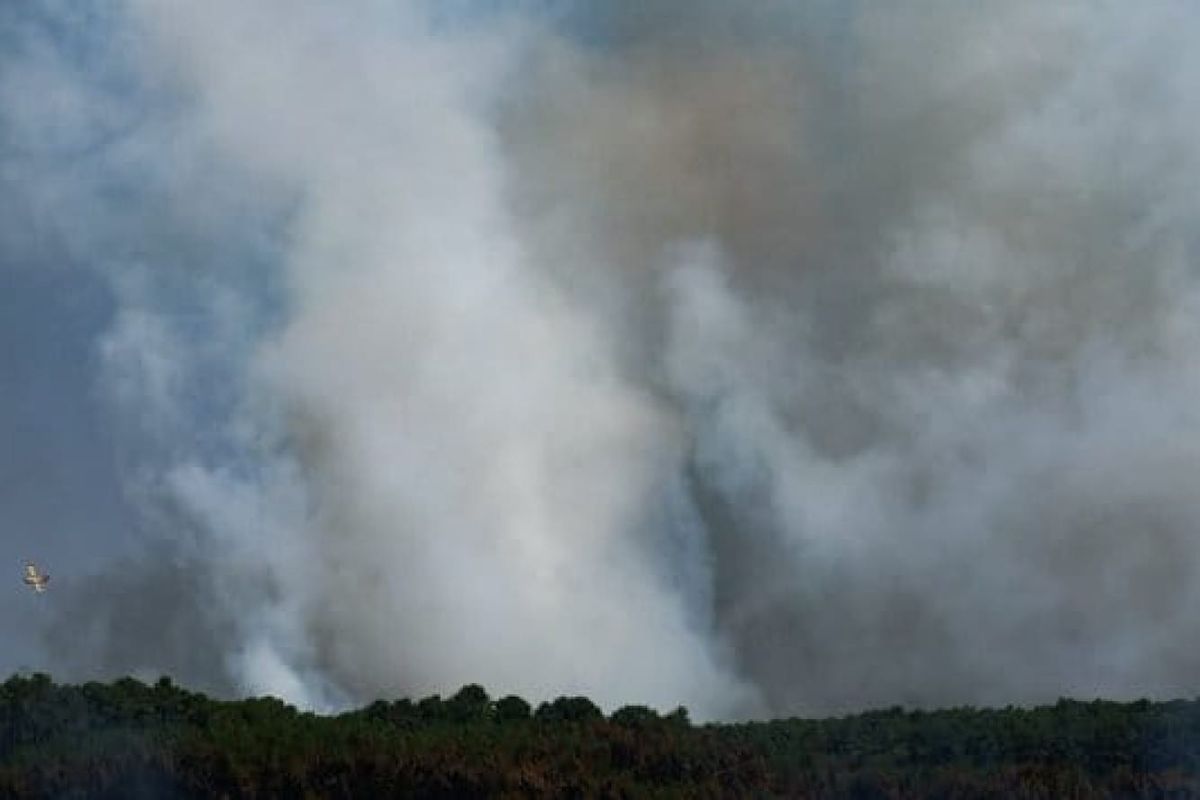
EU Warns Wildfire Threat Shifting Toward Italy And Greece
Authorities are also monitoring the Iberian Peninsula as extreme heat, dry weather, strong winds and limited rainfall continue to fuel fire risks.

Comments

Latest

Mayor Pete’s DEI Love Strands Millions

Mayor Pete’s DEI Love Strands Millions

It’s also significantly more, roughly $30 billion to $50 billion more, than the Trump administration says is needed to update the nation’s ramshackle air traffic control system.

Members Public
We Want Our Money Back

We Want Our Money Back

Another recent survey asked 2,188 undergraduates at five Chicago-area universities about whether they felt free to express pro-American views on campus.

Members Public