Editor’s Note
China is attempting one of the hardest economic pivots ever undertaken: shifting from an export-driven powerhouse to a consumption-led economy. This piece explains why that shift is necessary, why it has failed in the past, and why Beijing is now trying again with deeper structural reforms.
By Keyu Jin, Project Syndicate | April 2, 2026
At a time of intensifying geopolitical volatility, China’s embrace of a consumption-led model is not only about rebalancing growth, but also about anchoring it more firmly at home. Domestic demand offers insulation from external shocks, and along with developed capital markets, it can go a long way toward strengthening autonomy.
LONDON – China manifests a striking paradox. It is among the world’s most dynamic technological powers, producing breakthroughs in AI, electric vehicles, and advanced manufacturing at an accelerating pace, yet economic growth continues to slow. The reason is no mystery. As the government’s latest Five-Year Plan (2026-30) recognizes, China is experiencing a structural transition, not a cyclical slowdown. The old model is giving way to a new one, which has yet to take hold.
This transition is about more than economics. It reflects a deeper objective: strategic autonomy. The question is no longer simply whether China can grow, but whether it can grow on its own terms. A system that depends heavily on external demand, foreign capital, or imported technology is inherently exposed – a reality that recent energy shocks have thrown into sharp relief. So, the 15th Five-Year Plan aims to reduce structural dependencies.
The investment-driven and export-led model that powered Chinese growth for decades was highly effective at scaling up supply, delivering extraordinary results through a time of rapid globalization, favorable demographics, surging urbanization, and a property boom. But it was inadequate at raising demand and welfare – and it has now reached its limits. While advanced-technology sectors are strategically vital, their macroeconomic weight is limited. High-end manufacturing, for example, accounted for roughly 6% of GDP last year and contributes relatively little to local-government revenues compared to the property sector it is meant to replace.
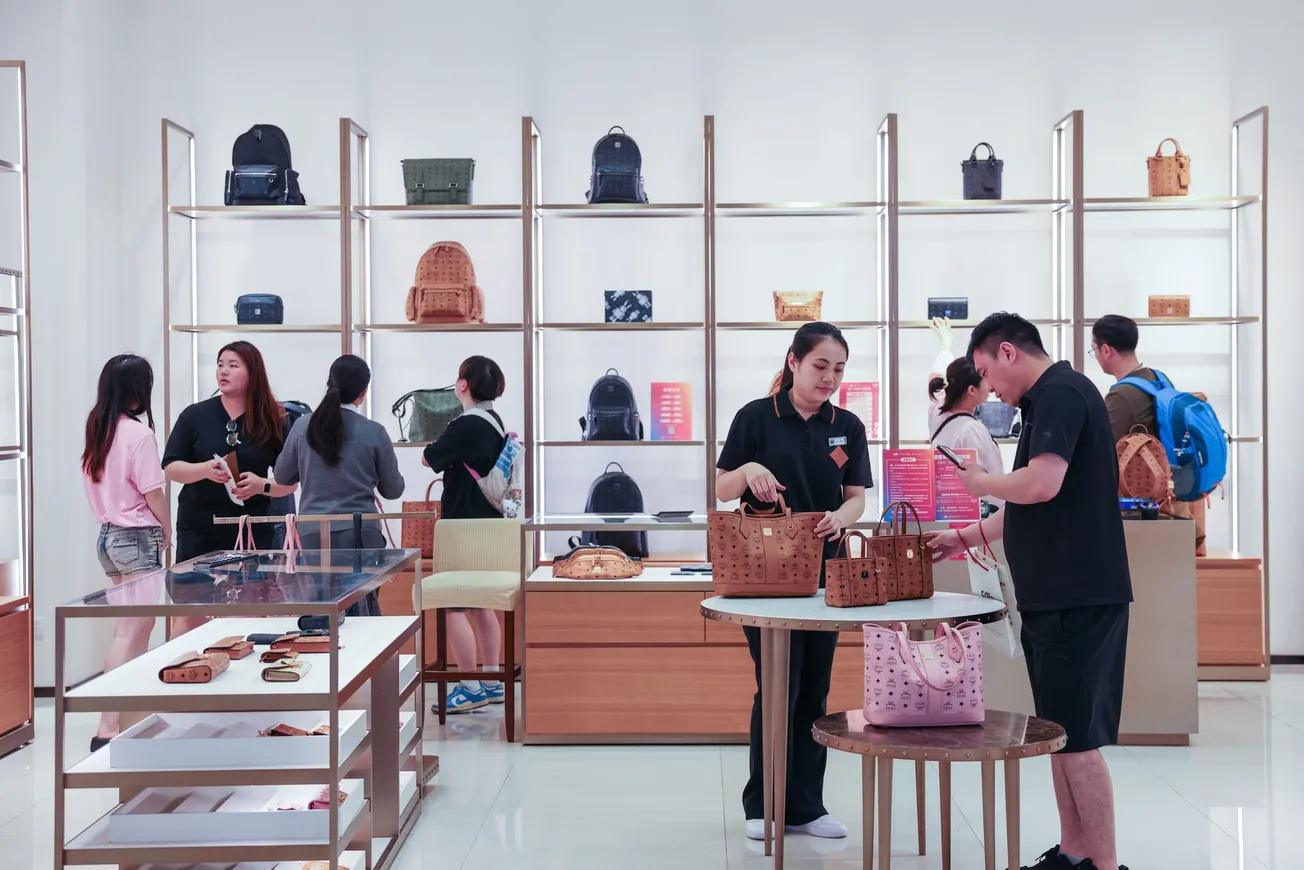
There is now only one engine capable of sustaining growth at the scale China requires: consumption. For a country that has managed to overcome powerful constraints to innovation – a record exemplified by Huawei’s resilience and the rise of leading AI players like DeepSeek – getting households to consume more might not seem like a difficult task. But given that under-consumption has long been embedded in the Chinese system, it might be the toughest challenge China has faced.
Know someone who should be reading TIPP Insights? Forward this email. Sponsor inquiries: editor-tippinsights@technometrica.com
The gap between China’s current consumption levels and global norms implies trillions of dollars in unrealized demand. The divergence is particularly pronounced in services. Whereas China’s real consumption stands at roughly 50-80% of US levels – broadly consistent with a middle-income OECD economy – service consumption lags significantly behind, falling short of developed-economy levels by an estimated 15-20 percentage points.
The 15th Five-Year Plan marks the Chinese government’s most concerted effort yet to address this imbalance – though results will take time to emerge. At its core is a new doctrine: boosting domestic demand by investing in people.
Start with pensions. As it stands, social support in China is distributed unevenly, with rural pensions averaging only around $35 per month – less than 7% of urban retirees’ benefits. But rural pensions are set to rise to about $85 per month within three years, and to some $140 per month within five years. Some estimates suggest that this change alone could ultimately lift consumption by 5-10 percentage points of GDP.
But this is just a first step. Given the constraints on consumption – weak income expectations, high precautionary savings, and lingering balance-sheet pressures – persuading Chinese households to spend will depend less on delivering short-term stimulus than on improving the distribution of income, security, and opportunity across the economy. This is why China will have to shift the focus of its investments from physical capital to people.
Recognizing this, the 15th Five-Year Plan aims to expand the scope of free education and increase the number of years of compulsory school attendance, lower childcare costs, and scale up vocational training. Moreover, it sets the stage for reforms to the hukou (household registration) system that would more fully integrate migrant workers into urban welfare systems. And it will seek to unlock household wealth and stabilize living costs through rural land reform, improved public housing, and urban renewal initiatives.
For households to feel secure enough to spend on the necessary scale, opportunities for broader wealth accumulation are also essential. As of 2025, China’s stock-market capitalization stood at roughly CN¥100 trillion ($14.5 trillion) – about 77% of GDP. That is well below the 100-120% ratio typical of mature markets.
Expanding China’s capital markets is not only a financial imperative, but also a structural and strategic one, as it is essential to reducing reliance on external capital. Capital markets channel savings into more productive sectors – particularly services and high-tech industries – and give households opportunities to invest their savings and participate in sustainable wealth creation. They are thus vital to enable a shift from property-based to financial wealth, and from investment-led growth to consumption-driven demand.
But, as the 15th Five-Year Plan also recognizes, expanding China’s capital markets will require deep institutional reforms to improve initial public offering systems, strengthen corporate governance, encourage dividends and buybacks, and mobilize “patient capital” from pension funds and insurers. Meanwhile, gradual financial opening and greater foreign participation will enhance market depth and integration.
It remains to be seen whether these policies will translate into meaningfully higher consumption in the near term. But they do represent a departure from previous five-year plans, which treated consumption as secondary to more traditional growth engines like investment and exports. This reflects changing external conditions, which have made reliance on others – for demand, technology, capital, or energy – synonymous with vulnerability.
At a time of intensifying geopolitical volatility and global fragmentation, China’s embrace of a consumption-led model is not only about rebalancing growth, but also about anchoring it more firmly at home. Strong domestic demand offers a degree of insulation from external shocks, and together with developed capital markets, it can go a long way toward strengthening autonomy.
In this sense, the trajectory is clear. China aims to recreate, in its own way, the conditions that some privileged economies have long enjoyed: the ability to grow from within.
Keyu Jin, Professor of Economics at the Hong Kong University of Science and Technology, is the author of The New China Playbook: Beyond Socialism and Capitalism (Viking, 2023).
Copyright Project Syndicate
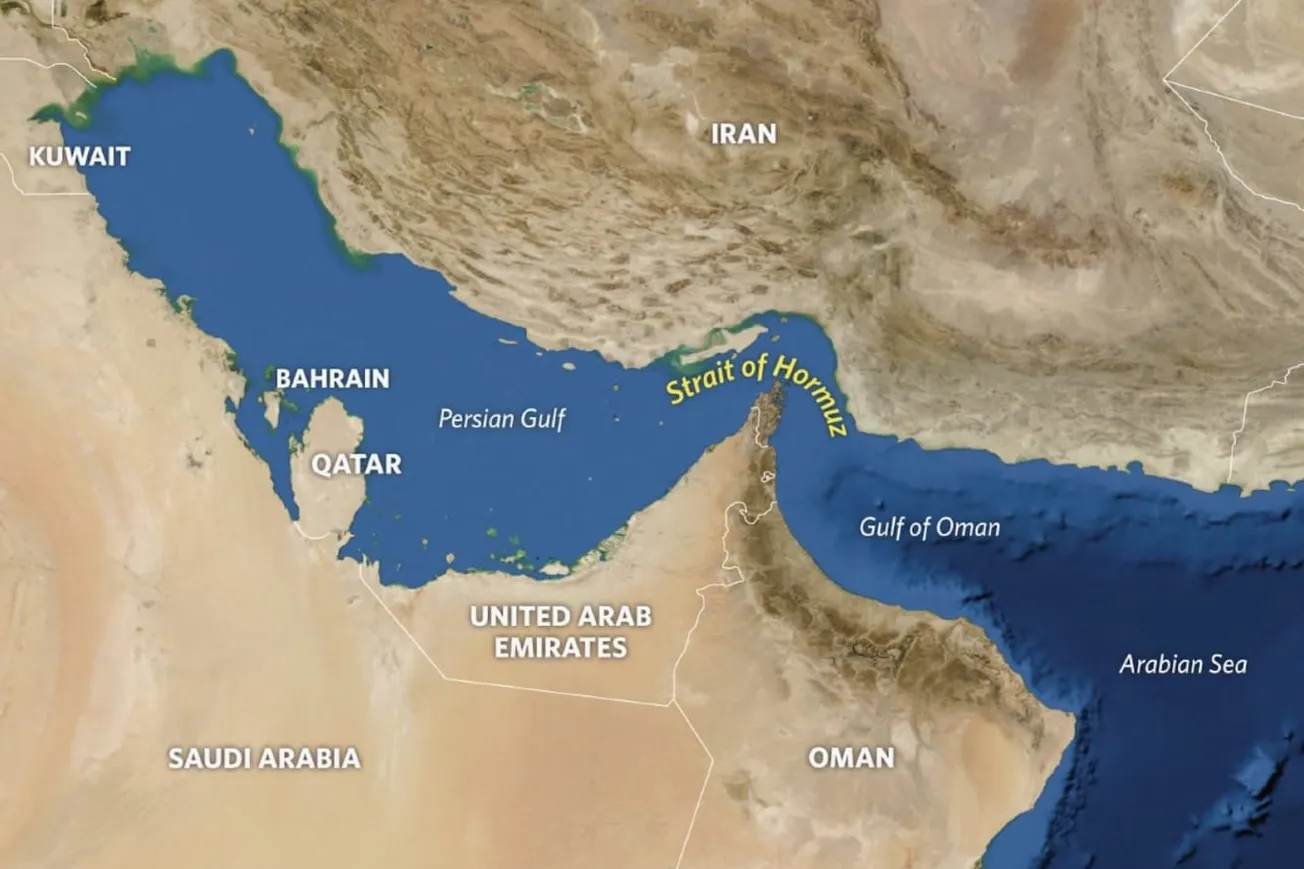
Islands Behind Iran’s Stranglehold On The Strait Of Hormuz
Iran’s island fortifications around the Strait of Hormuz strengthen its grip on the key waterway, and reopening shipping could require U.S. or allied forces to capture those positions.
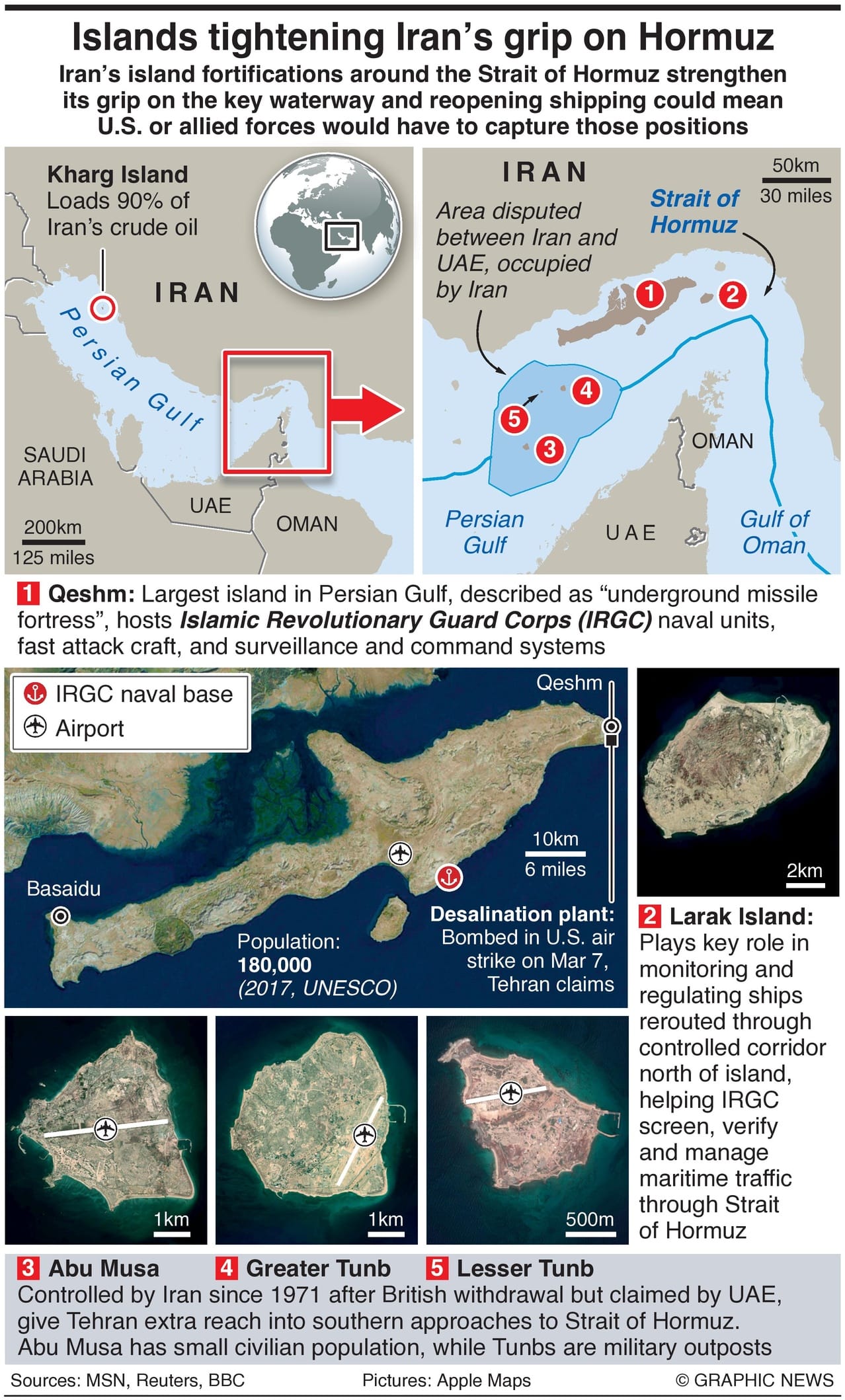
Qeshm, the largest island in the Persian Gulf, is described as an “underground missile fortress” and hosts Islamic Revolutionary Guard Corps (IRGC) naval units, fast attack craft, and surveillance and command systems.
Larak Island plays a key role in monitoring and regulating ships rerouted through a controlled corridor north of the island, helping the IRGC screen and manage maritime traffic through the strait.
Abu Musa, Greater Tunb, and Lesser Tunb have been under Iranian control since 1971, after the British withdrawal, though they are claimed by the UAE. The islands extend Iran’s reach into the southern approaches to the Strait, with Abu Musa hosting a small civilian population and the Tunbs functioning primarily as military outposts.
The Wall Street Journal reports that the UAE is now preparing to assist the U.S. and allies in reopening the strait, having suggested that U.S. forces occupy strategic islands if necessary.
1. Trump Says Iran War Nearing Completion
2. Second Russian Oil Shipment Heads To Cuba
3. Oil Demand Risks Rise Amid Iran War
4. Why Are Oil Prices Rising Again?
5. Iran War May Drive U.S. Grocery Prices Higher
6. ICE Detainees Fear Return To Iran Warzone
7. Treasury Yields Rise Amid War Concerns
8. Artemis II: NASA Astronauts Start First Day In Orbit
9. Lawmaker Probes Anthropic Over AI Leak
10. What Does The DHS Reopening Bill Include
11. Why Are Markets Volatile Right Now
12. Shutdown Drags On As Trump Signs DHS Relief Order
13. Uncertainty Grows Around Bondi As DOJ Faces Pressure
14. Reports Claim Trump Has Fired Attorney General Pam Bondi
editor-tippinsights@technometrica.com