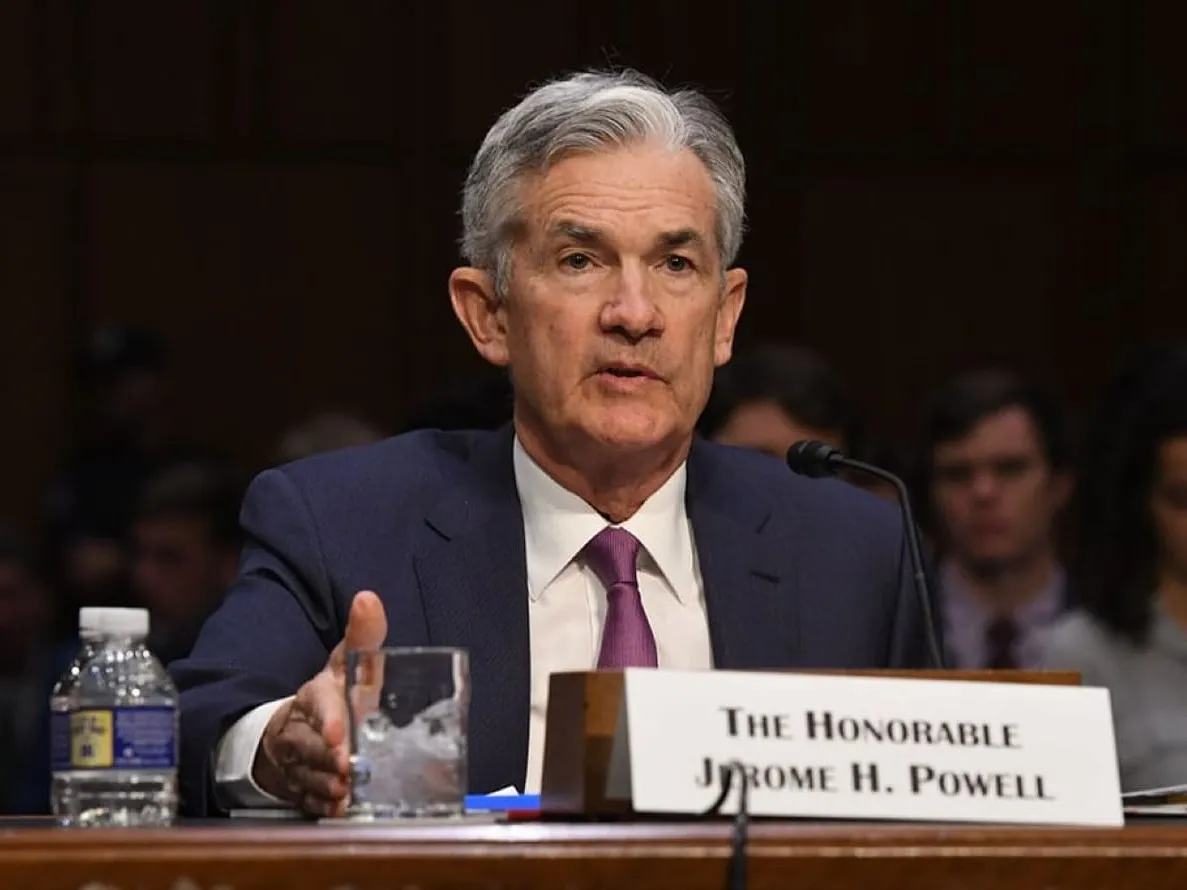
Will President Donald Trump soon fire Federal Reserve Chairman Jerome Powell, as is now hotly rumored? And do you care? If not, maybe you should. Because at this moment, the Fed chief seems to think he has to re-fight the inflation battle he lost three years ago. And his refusal to cut rates is starting to choke our economy.
Make no mistake: Having lost the confidence of the president who appointed him, Powell should resign. As a matter of practical stewardship of the nation’s central bank, Powell’s effectiveness as a financial leader has been called into question. Time to go.
But Powell’s defenders bizarrely argue that Fed chairmen can’t be fired. In fact, they can be fired “for cause,” which is vague enough to cover a whole host of sins, major and minor.
His backers also argue that Fed chiefs have independence, and that Trump letting him go would shatter that.
But that’s also not true.
As John Tamny, RealClearMarkets editor, economist and author of books on the Fed, recently noted: “Fed officials are appointed by politicians. To presume that they didn’t politic to be in that position in the first place … is laughable.”
At issue currently is whether a politicized Fed has now become hostile to the admittedly mercurial Trump, who feels the Fed’s tight interest-rate policy is holding the economy back.
It is. Take one very important sector, which desperately needs lower interest rates: housing. Annual sales rates for existing homes fell to 3.67 million in May of this year, only slightly above the 3.45 million level at the depths of the financial crisis in 2010.
Why? With average mortgage rates at about 6.83%, buyers can’t afford payments. But as a Morgan Stanley survey in March noted, “91% of people considering buying a home in the next six months would be likely to do so if mortgage rates were to fall to 5.5%. Based on the survey, Millennials and Gen Z are likely to lead the next wave of homebuying.”
Yet, despite a continuing decline in inflation, the Fed won’t cut rates. Funny, when the Democratic Congress and President Joe Biden locked down the economy and spent nearly $6 trillion on COVID, setting off an inflationary spiral, the Fed did little to stop them.
In fact, the Fed began pouring money into an already super-stimulated economy. By doing so, and raising interest rates far too late, the Fed enabled the five-year 25% U.S. inflation surge that decimated real wages for workers, caused U.S. spending and debt to soar, and killed off thousands of businesses.
And we’re still digging out of that mess today.
As we noted above, a Fed chief can be fired for cause. To us, the last five years of Fed incompetence is cause enough. Powell has made too many mistakes, and squandered whatever goodwill he once had with his boss (that’s Trump, the man who appointed him, by the way) and average Americans.
As for Trump “not politicizing” the Fed, please. “Federal Reserve employees donated 92% of their $700k in political contributions to Democrats during the 2024 cycle,” noted our friend economist Stephen Moore of the Committee to Unleash Prosperity. “Does that sound ‘nonpartisan’ to you?”
No, it doesn’t. DEI has hit the Fed hard, just as it has every other major institution in America. The central bank is no different.
“I think what we need is regime change at the Fed,” former Fed governor Kevin Warsh told Maria Bartiromo on Fox’s “Sunday Morning.” “And that’s not just about the chairman, it’s about a whole range of people, it’s about changing their mindset and their models, and frankly it’s about breaking some heads, because the way they’ve been doing business is not working.”
Warsh is on Trump’s short list of possible successors for Powell. As is Kevin Hassett, Trump’s director of the National Economic Council, and Treasury Secretary Scott Bessent. They’re all highly qualified.
“The Fed is in need of perestroika,” writes economist Larry Kudlow, a top Trump economic adviser during his first term in office. “The Fed has to be cleansed of its Deep State dislike of all things Donald Trump, and frankly its Deep State bureaucratic groupthink of deadwood economists with models that haven’t worked in 50 years — who are now advising Chairman Jay Powell to fight Mr. Trump and his economic growth agenda.”
Why bring this up? This week, The New York Times reported that “The president waved a copy of a draft letter firing Jerome H. Powell at a meeting in the Oval Office with House Republicans.”
Responding, Trump says he’s “not planning” to fire Powell now, but doesn’t say he won’t.
If he does, we won’t shed a tear for Powell, whose latest foible was renovating the Fed building into a financial Taj Mahal at a cool $2.5 billion price tag. That alone is “cause” for firing.
We’ve all been warned that markets will “melt down” if Powell goes, with Deutsche Bank shrieking that “both the currency and the bond market can collapse.”
Maybe so. Maybe not. Markets have a way of confounding the predictions of even the smartest people. But even if true, it would still be better for Powell to go quietly than to bitterly fight to stay where he’s no longer wanted and clearly at odds with an elected president’s policies.
Issues & Insights was founded by seasoned journalists of the IBD Editorials page. Our mission is to provide timely, fact-based reporting and deeply informed analysis on the news of the day – without fear or favor.
Original article link
TIPP Takes
Geopolitics, Geoeconomics, And More
1. Russia, Ukraine Agree That Peace Talks Need To Be Stepped Up - Reuters
The Kremlin stated that it agreed with a statement by Ukrainian President Volodymyr Zelenskyy, who emphasized the need for increased momentum in peace talks between the warring parties.
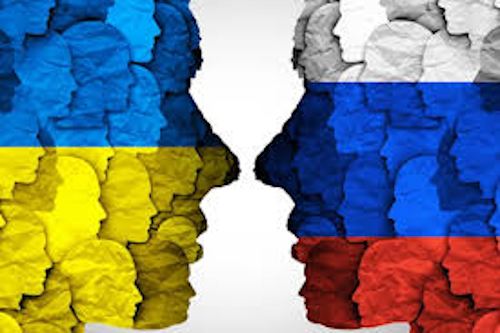
Zelenskyy said that peace negotiations with Russia needed “more momentum” and that he had asked new National Security and Defense Council secretary Rustem Umerov to “intensify the negotiation track.” Kremlin spokesman Dmitry Peskov also said that recent warnings by President Trump regarding possible secondary sanctions on buyers of Russian exports were not viewed in Moscow as a sign that bilateral talks with Washington were at an end.
2. UK Sanctions Russian Spies For Malicious Activity - BBC
A number of Russian spies have been sanctioned for conducting a "sustained campaign of malicious cyber activity" including in the UK, the Foreign Office has said.

Three military intelligence units from Russia's GRU espionage agency and 18 officers have had sanctions placed on them for allegedly "spreading chaos and disorder on [Russian President Vladimir] Putin's orders". UK Foreign Secretary David Lammy linked the activity to the UK's continued support of Ukraine, and said GRU spies were "running a campaign to destabilise Europe".
3. EU Agrees On 18th Sanctions Package On Russia - D.W.
The 27 member states of the European Union on Friday agreed upon an 18th round of sanctions on Russia over its full-scale invasion of Ukraine.
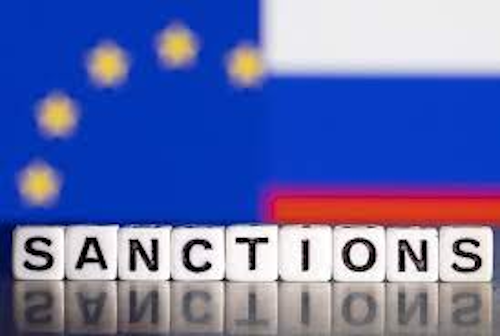
Slovakia had been holding up the decision, citing concerns over its gas imports. But Slovakian Prime Minister Robert Fico relented, saying he had instructed representatives to approve the measures. Fico said that persisting would be "counterproductive" for Slovakia's interests as an EU member. The sanctions package targets Moscow's financial and energy sectors.
4. Oil Cap In New EU Sanctions Package Signals Independence From G7 - RFE/RL
The bigger story of the EU sanctions is that the bloc managed to agree to lower the Russian oil cap substantially and do so on its own without agreement from the United States and other G7 nations, who can join at a later stage, a sign of a more confident and independent EU on the world stage.

When the oil price cap was first agreed on a G7-level in December 2022 it was meant as a sort of global compromise over an EU ban on services to transport Russian oil.
5. U.N. Report Cites 'Flagrant' Violations By Russia And North Korea - UPI
Russian and North Korean officials violated U.N. resolutions regarding arms, troops, and refined petroleum shipments throughout 2024 and beyond, a U.N. report says.
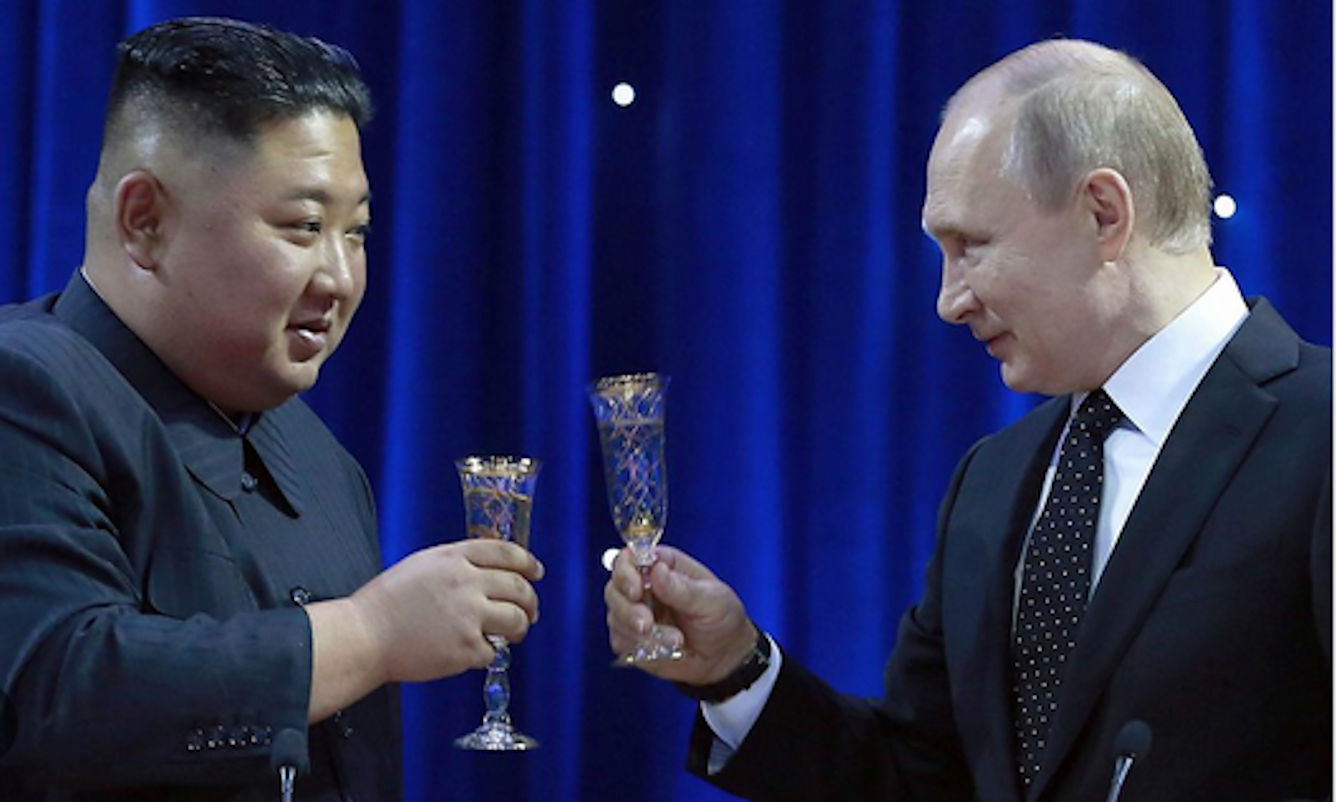
Evidence shows North Korea many times shipped arms and material to Russia, which trained North Korean troops for combat against Ukrainian forces, Seth Bailey, the U.S. State Department's director for Korean and Mongolian Affairs, told U.N. members.
6. China Says It Stopped Rare-Earth Smuggling By Foreign Spy Agency - Nikkei Asia
China's anti-spying ministry announced that the foreign agency had partnered with illegal operators within China in an attempt to smuggle out the resources by deceptive mislabeling and mixing the elements with other materials.

The Ministry of State Security, charged with rooting out espionage in the country, posted on its official WeChat account that the foreign intelligence agency had made attempts in recent years to collude with illegal actors within the country to steal rare earths through the country's postal system, calling the action a critical threat to state security.
7. Germany's Merz Tells BBC Europe Was Free-Riding On U.S. - BBC
German Chancellor Friedrich Merz has accepted U.S. accusations that Europe was doing too little to fund its own defence and security, but now believes they are on the same page.
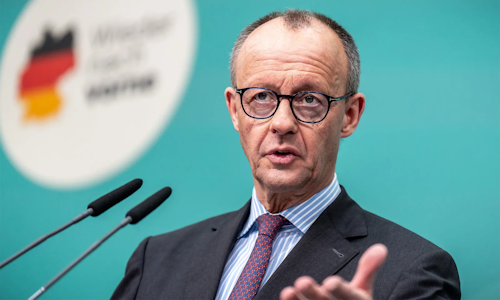
"We know we have to do more on our own and we have been free-riders in the past," he told the BBC's Today Programme, "they're asking us to do more and we are doing more." Merz was in the UK to boost defence ties with Germany, as part of an historic friendship treaty that also aims to tackle irregular migration and promote youth exchanges.
Related:
Free Ride Finito At NATO With Five Percent For Article Five, Editorial Board, TIPP Insights
8. Hamas Says No Interim Truce Possible Without Work Toward Permanent Gaza Ceasefire Deal - Reuters
Hamas’ armed wing spokesperson said that while the group favors reaching an interim truce in the Gaza war, if such an agreement is not reached in current negotiations it could revert to insisting on a full package deal to end the conflict.

Hamas has repeatedly offered to release all the hostages held in Gaza and conclude a permanent ceasefire agreement, and Israel has refused, Abu Ubaida added in a televised speech. Israeli officials were not immediately available for comment on the eve of the Jewish Sabbath.
9. Netanyahu Apologizes For Bombing Gaza Church After Trump Call - UPI
Israeli Prime Minister Benjamin Netanyahu has apologized for the Israeli Defense Force's bombing of Gaza's only Catholic church Thursday morning. The strike killed three civilians.

"Israel deeply regrets that a stray ammunition hit Gaza's Holy Family Church. Every innocent life lost is a tragedy," Netanyahu's office said in a statement. He added the incident was being investigated. White House spokesperson Karoline Leavitt said President Donald Trump called Netanyahu to discuss the attack. Netanyahu told Trump it was a mistake.
10. Iran Says Europeans Have ‘No Moral, Legal Ground’ To Trigger Snapback Sanctions - AFP
Iranian Foreign Minister Abbas Araghchi told his European counterparts they have no grounds for reactivating UN sanctions after they threatened to do so in the coming months unless there is progress in nuclear talks.
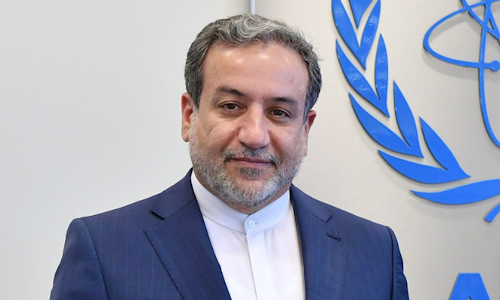
He added that “any new round of talks is only possible when the other side is ready for a fair, balanced, and mutually beneficial nuclear deal.” The remarks came after Araghchi held a conference call with his British, French and German counterparts and European Union foreign policy chief Kaja Kallas.
11. North Korea Bans Foreigners From Seaside Resort Weeks After Opening - BBC
The Wonsan Kalma Coastal Tourist Zone, opened on 1 July, has been touted as a key part of North Korean leader Kim Jong Un's ambitions to boost tourism.

In the lead-up to its opening, the resort was promoted as an attraction for both locals and foreigners. But as of this week, a notice on North Korea's tourism website says that foreigners are "temporarily" not allowed to visit. Last week, the first Russian tourists reportedly arrived at the resort in Wonsan - around the same time that Russian foreign minister Sergei Lavrov met Kim in the city.
12. Brazil's Bolsonaro Ordered To Wear Ankle Monitor - D.W.
Brazil's Supreme Court has ordered former President Jair Bolsonaro to wear an ankle monitor. The decision came as authorities searched the former president's home and party headquarters in Brasília on Friday.
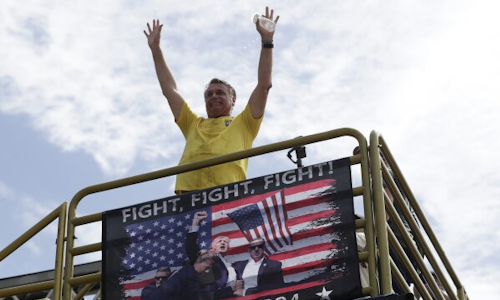
He was additionally ordered to cease using social media and to refrain from communicating with diplomats. The former president is also banned from contacting others under investigation, including his son Eduardo Bolsonaro, a Brazilian lawmaker living in the U.S. with close ties to President Donald Trump.
13. Latin American Currencies Strengthen Amid Global Instability - UPI
Latin America's major currencies gained an average of 6% against the U.S. dollar in the first half of the year.
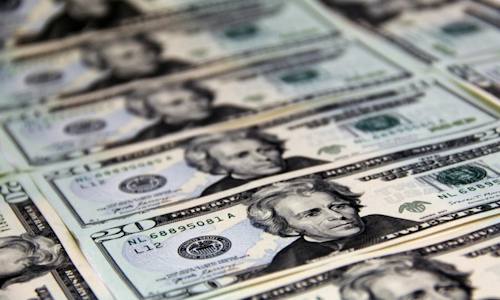
The Brazilian real rose more than 11% this year. The Mexican peso followed with a gain of nearly 9%, while currencies such as the Peruvian sol and Chilean peso also posted increases, according to JPMorgan Private Bank. Analysts say this is not just about a weakening dollar. "The strengthening of some Latin American currencies also reflects that several countries have managed to appear more reliable to international investors," Paraguayan economist Víctor Pavón said.
14. AI Mania Is Worse Than 1999's Tech Bubble, Apollo's Top Economist Warns - Yahoo Finance
A top Wall Street economist is sounding the alarm on sky-high valuations in AI stocks — and drawing comparisons to the tech bubble of the late 1990s.

"Yes, AI will do incredible things for all of us," Torsten Sløk, chief economist at Apollo Global Management, said on Yahoo Finance's Opening Bid. According to Sløk, the answer is increasingly no. In a research note to clients, he pointed to internal data showing the price-to-earnings ratios (P/E) of the 10 largest companies in the S&P 500 (^GSPC) — many of them AI stock picks like Meta (META) and Nvidia (NVDA) — have eclipsed P/E levels seen at the height of the dot-com bubble in 1999.
15. Insomniacs With Inflammation Prone To Depression, Researchers Say - HealthDay News
Seniors with insomnia were three times as likely to report symptoms of depression if they'd been dosed with a substance that promotes inflammation, according to results published in JAMA Psychiatry.

Results from the study showed that insomniacs with inflammation were three times more likely to have depressive mood and symptoms than healthy sleepers with inflammation. Chronic inflammation has already been tied to illnesses like heart disease and cancer, researchers said in background notes.