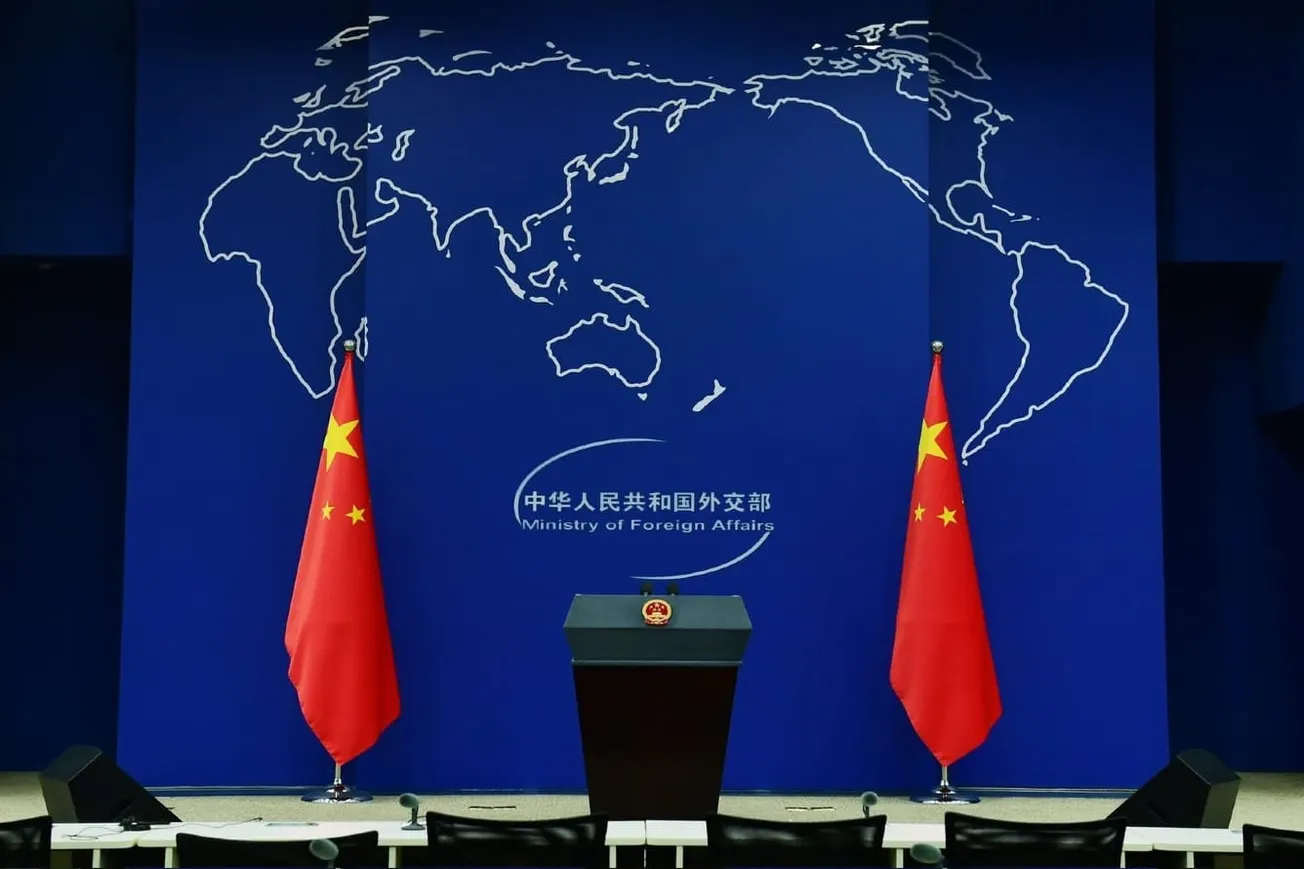
China is expected to avoid a direct confrontation with the United States following the U.S. raid in Venezuela, instead opting for diplomatic pressure and quiet efforts to expand influence in Latin America, analysts say.
Beijing has sharply criticized Washington for violating Venezuela’s sovereignty after U.S. forces captured former leader Nicolás Maduro, but has stopped short of taking concrete countermeasures.
The lawful rights and interests of China in Venezuela must be protected. pic.twitter.com/MrXxWRv7BQ
— Mao Ning 毛宁 (@SpoxCHN_MaoNing) January 7, 2026
President Donald Trump has said the United States is now “in charge” of Venezuela and some of its oil revenues.
Chinese officials have signaled continued cooperation with Venezuela and Cuba, while urging respect for international law at the United Nations. China also backed an emergency U.N. Security Council meeting requested by Colombia.
The US and Venezuela have reached an agreement to export up to $2 billion worth of Venezuelan crude to US ports, President Trump said, a move that could redirect oil shipments meant for China and ease pressure on Venezuela’s sanctioned oil industry https://t.co/SiHz3RlJQl pic.twitter.com/jZR7CdmxMl
— Reuters (@Reuters) January 7, 2026
Analysts say Beijing wants to avoid escalating tensions with Washington, particularly as pressure grows in East Asia.
Instead, China may seek to deepen economic and diplomatic ties with Latin American and Global South nations unsettled by U.S. assertiveness.
Some experts caution that regional governments may still distance themselves from China to avoid drawing U.S. scrutiny.
Also read:
 TIPP Staff
 TIPP Staff