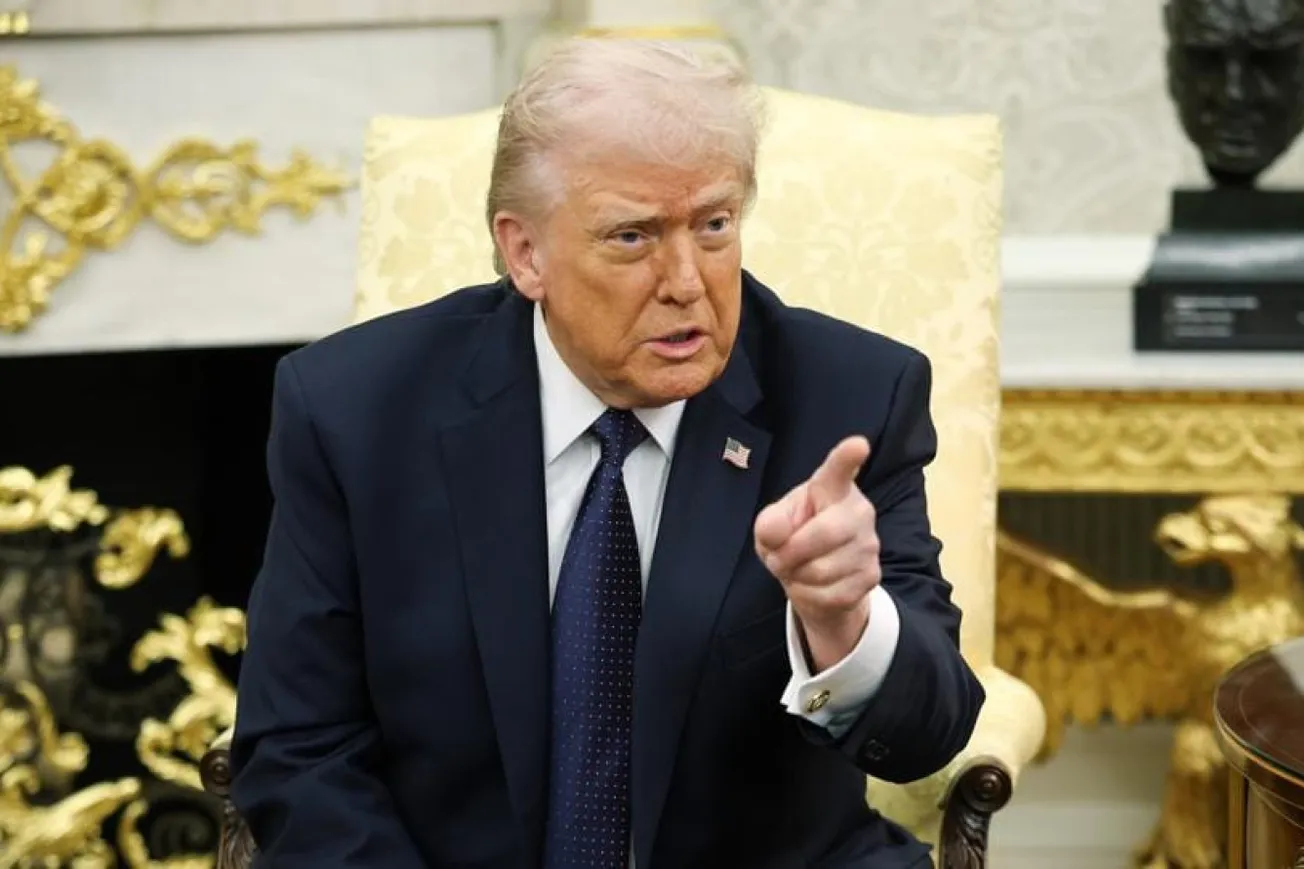
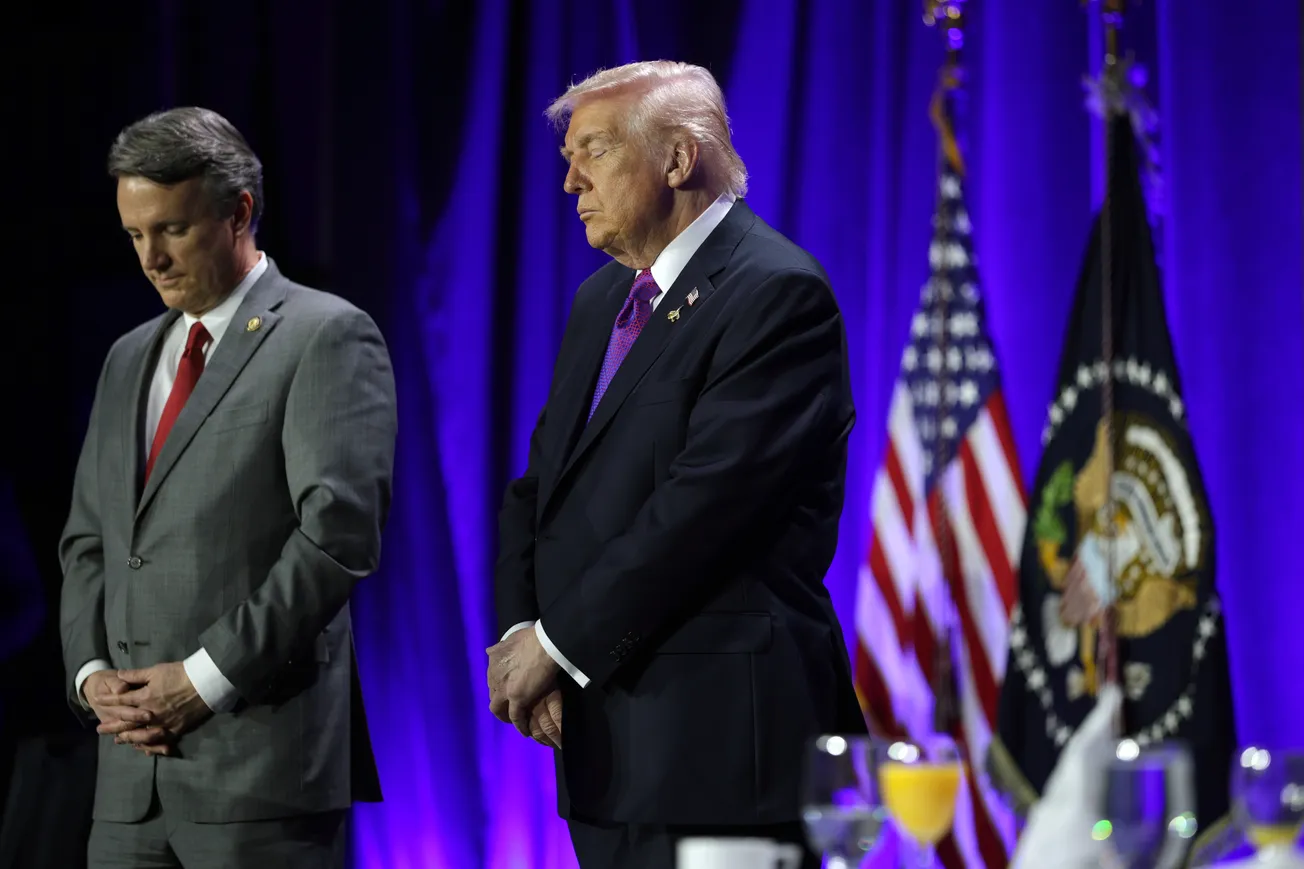
As religion returned to the national spotlight this week following President Donald Trump’s address at the National Prayer Breakfast and renewed debate over faith’s role in public life, Americans are again confronting a familiar question in a modern context. What role does religion play in a rapidly changing society?
Recent Newsmax/TIPP polling shows that while religion continues to matter to millions of Americans, how people practice and engage with their faith is evolving, and political divisions increasingly shape religious identity.
Nearly two-thirds of respondents nationwide describe themselves as religious. Yet the intensity of belief appears to be moderating. Only a smaller segment call themselves very religious, while a much larger share say they are somewhat or not very religious. More than one-third identify as not religious at all, reflecting the increasingly diverse makeup of modern American society.
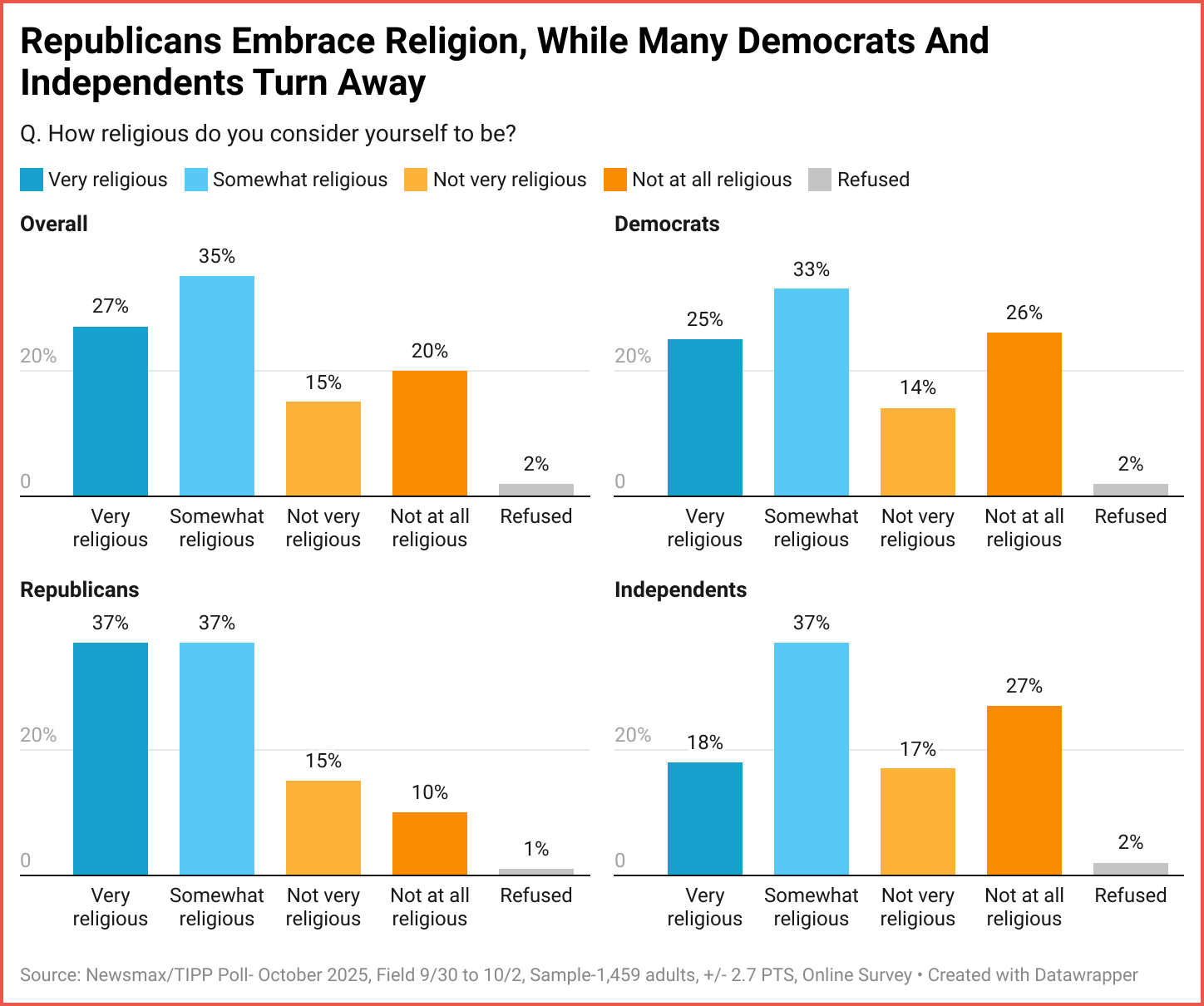
Political affiliation reveals striking differences. Republicans are far more likely to consider themselves religious, while Democrats and especially independents are more likely to describe themselves as less religious or not religious at all. Faith, like many other cultural issues, now mirrors America’s political divide.
However, identifying as religious does not always translate into regular religious practice.
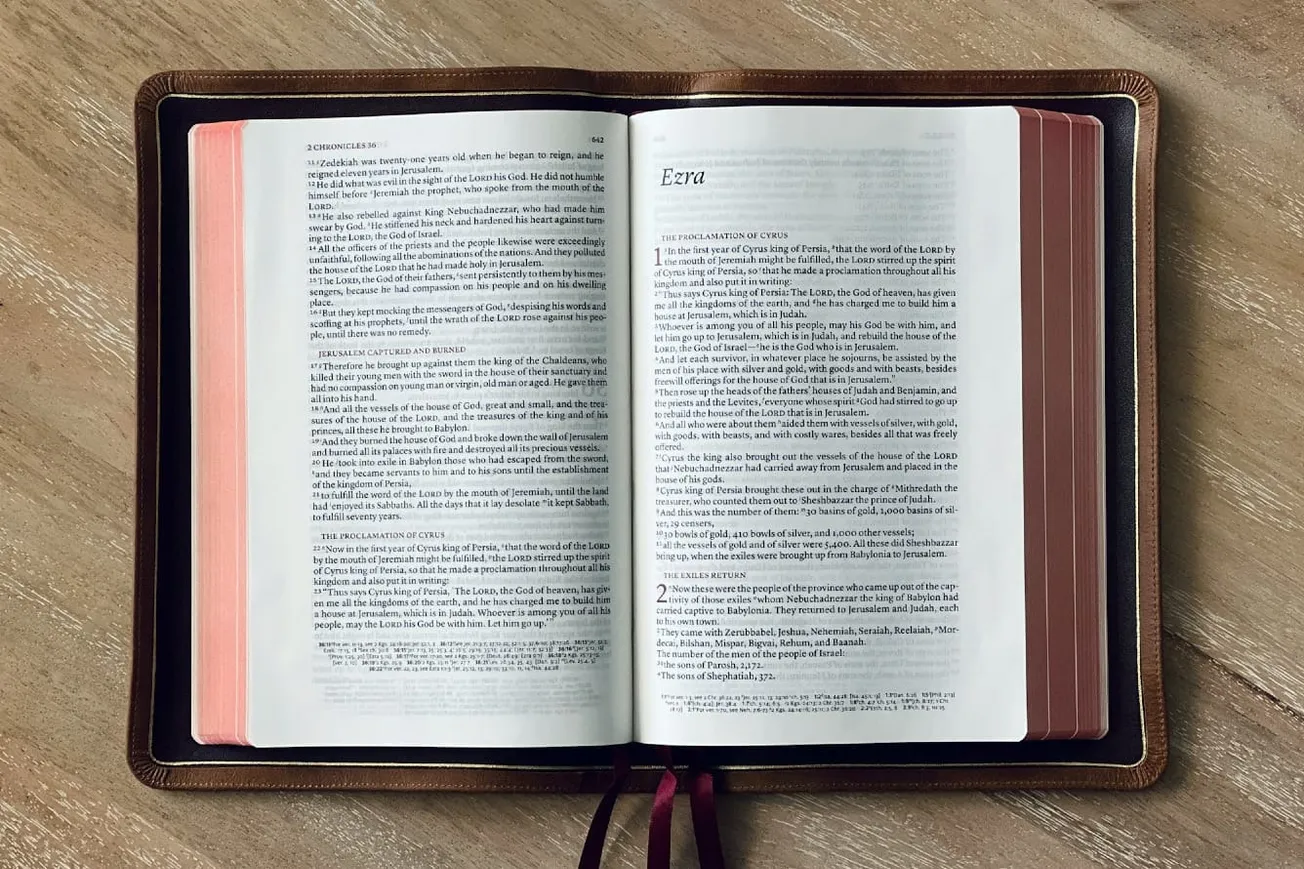
For generations, sacred texts such as the Bible, Qur’an, Torah, and Vedas served as moral and spiritual anchors for families and communities. Before the explosion of online information and entertainment, many people regularly turned to these texts for guidance and comfort.
Today, engagement appears far more limited. Fewer than one in five Americans report reading sacred texts several times a week outside religious services, and a similar share reports doing so weekly. Smaller portions read them monthly or a few times a year. The largest group, nearly one-third of respondents, reports never reading sacred texts independently outside attending services.
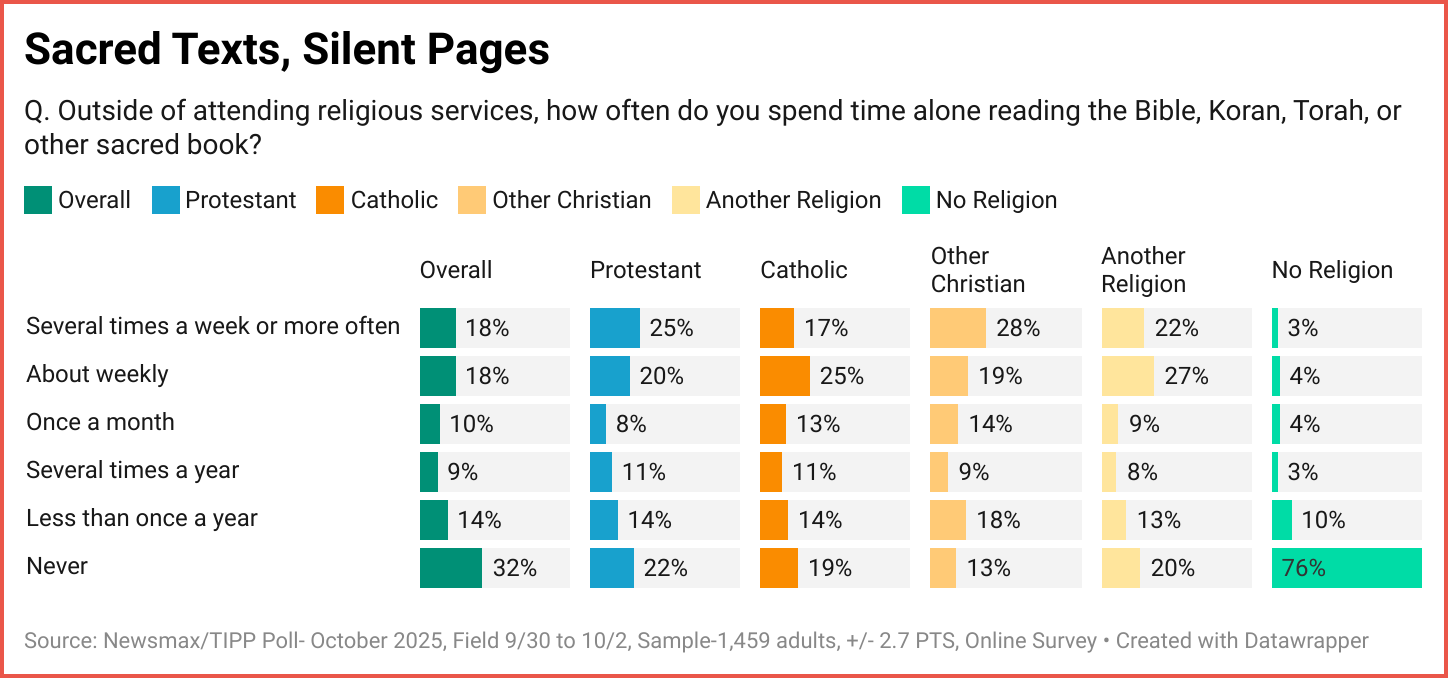
The pattern suggests a shift in how faith functions in daily life. For many Americans, religion remains an identity or cultural connection even as personal practice becomes less frequent. Modern lifestyles, mobility, weakening community bonds, and the abundance of readily available entertainment all compete with time once devoted to religious engagement.
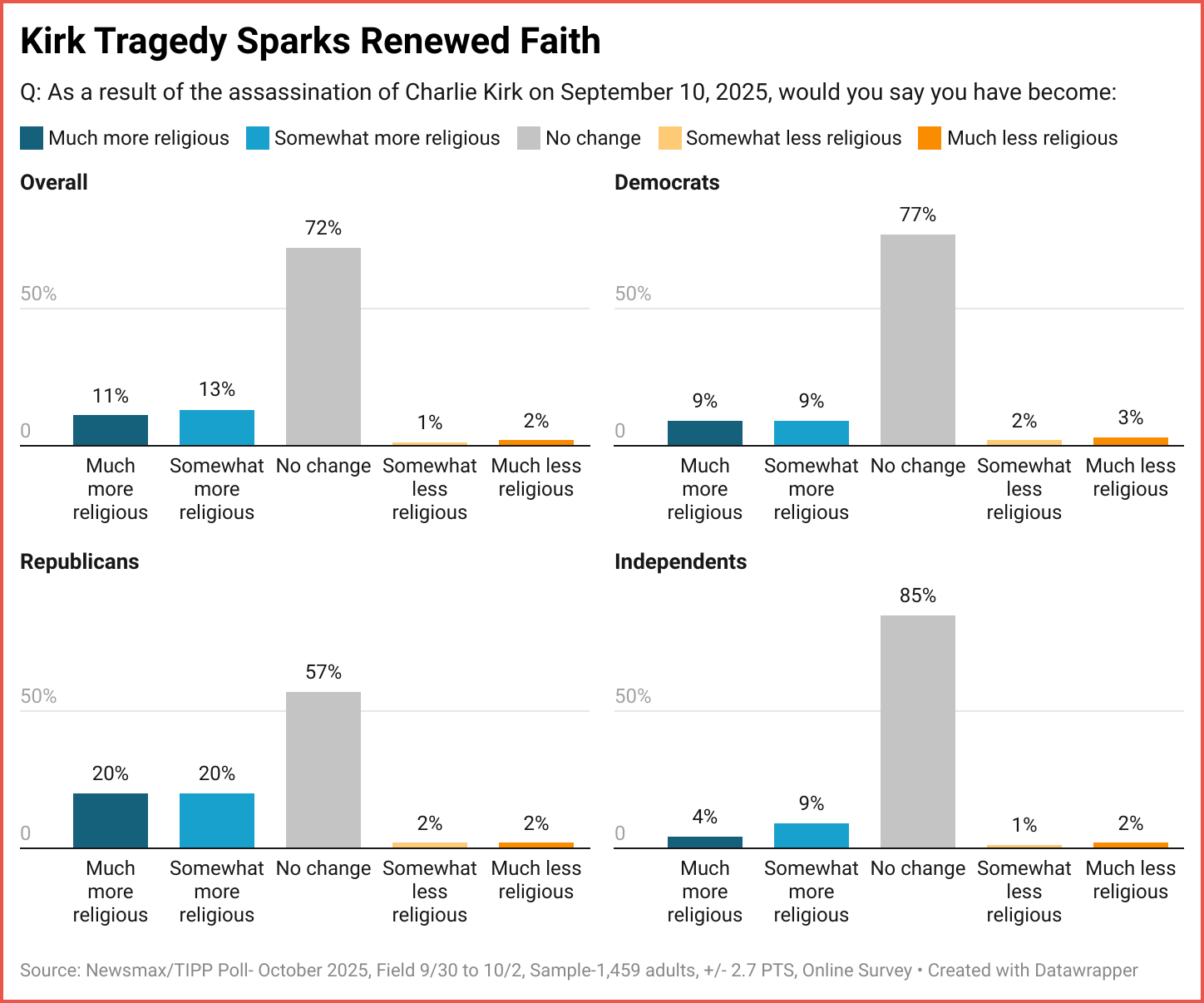
Yet moments of crisis often renew spiritual reflection. Following the assassination of Charlie Kirk, which shocked the nation, faith again entered public conversation. While nearly three-quarters of poll respondents say the event did not change their religious outlook, about one-quarter report becoming more religious in response. Only a very small share reports becoming less religious.
The findings highlight a central truth about religion in America today. Faith is not disappearing. Instead, it is changing shape.
Belief remains widespread, but practice is becoming more personal. Organized religion competes with modern lifestyles and digital distractions. Political identity increasingly overlaps with religious identity. And in times of uncertainty or tragedy, many still turn to faith for meaning and reassurance.
In a technologically advanced and rapidly evolving society, religion endures, though it is expressed in new ways by each generation.
👉 Show & Tell 🔥 The Signals
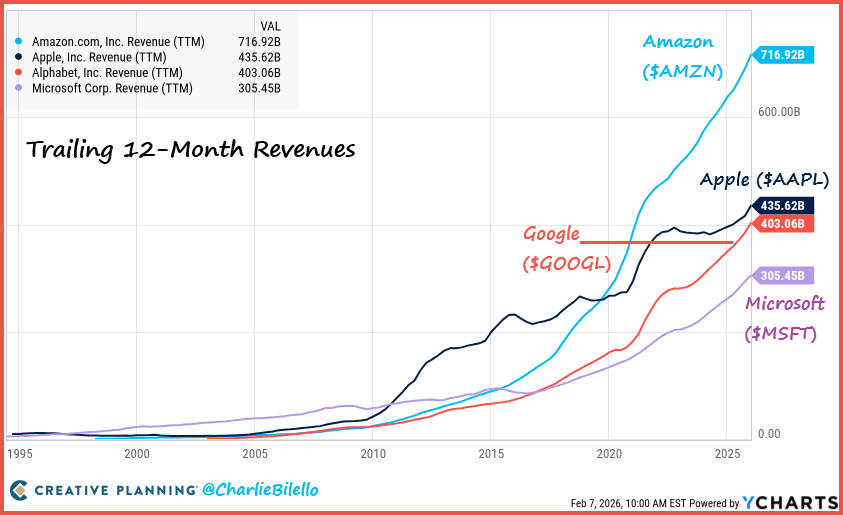
I. Big Tech Revenues Hit Record $1.86 Trillion
Amazon, Apple, Google, and Microsoft generated a combined $1.86 trillion in revenue over the past year, a record total. Amazon led with about $717 billion in sales, followed by Apple, Google, and Microsoft, underscoring the continued dominance of major U.S. tech firms.
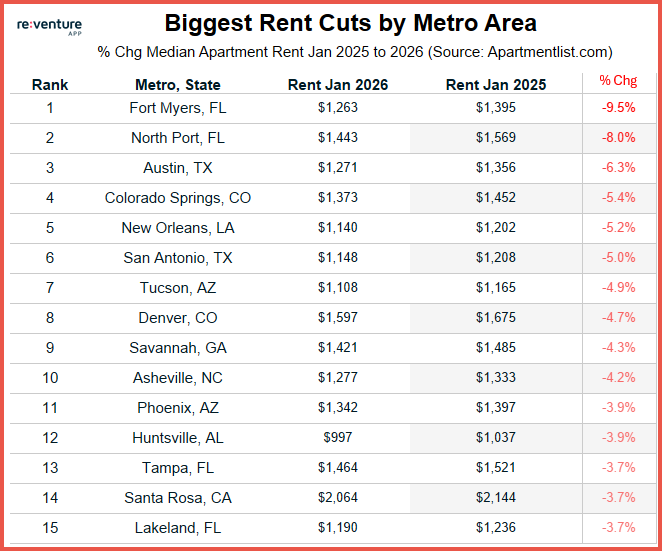
II. Apartment Rents Fall Across Several Sun Belt Cities
Apartment rents declined in several fast-growing metro areas over the past year, with cities in Florida, Texas, and Arizona seeing drops of roughly 4% to 10% as rising apartment supply and higher vacancy rates put pressure on prices.
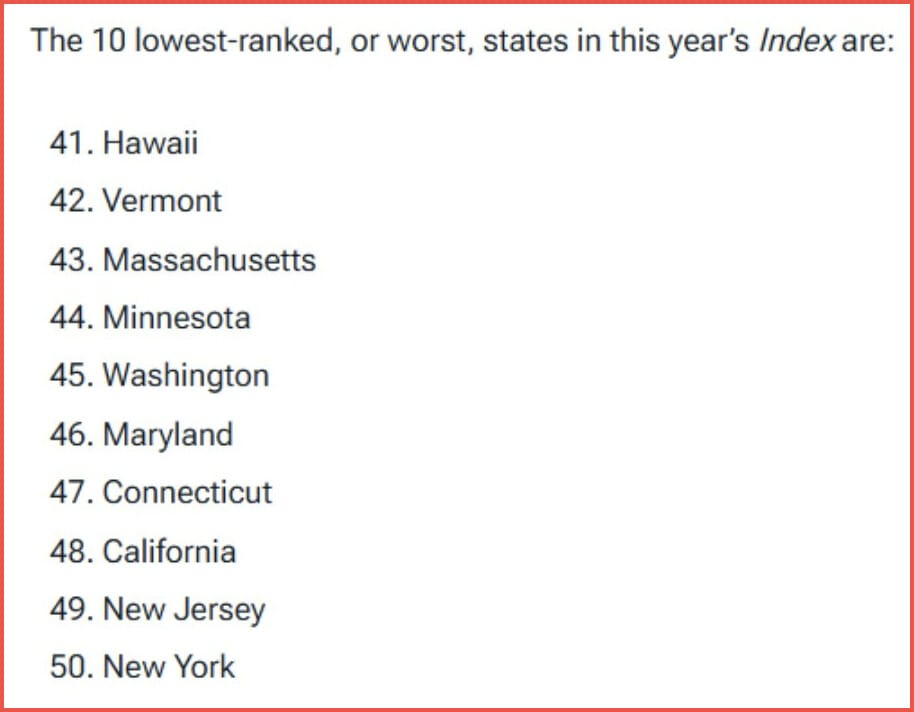
III. Blue States Rank Near Bottom for Taxpayers
The Tax Foundation’s latest state tax competitiveness rankings place New York, New Jersey, and California among the lowest-ranked states for taxpayers, with the 10 worst-ranked states all led by Democrats, reflecting higher overall tax burdens compared with most other states.
editor-tippinsights@technometrica.com