The reopening of the Strait of Hormuz following the U.S.-Iran agreement is expected to ease pressure on global energy markets, but shipping experts say a return to normal operations could take weeks, according to CNBC.
President Donald Trump and Iranian President Masoud Pezeshkian signed a memorandum of understanding that calls for reopening the strategic waterway and allowing toll-free passage for at least 60 days. However, industry analysts warned that significant logistical and security challenges remain.
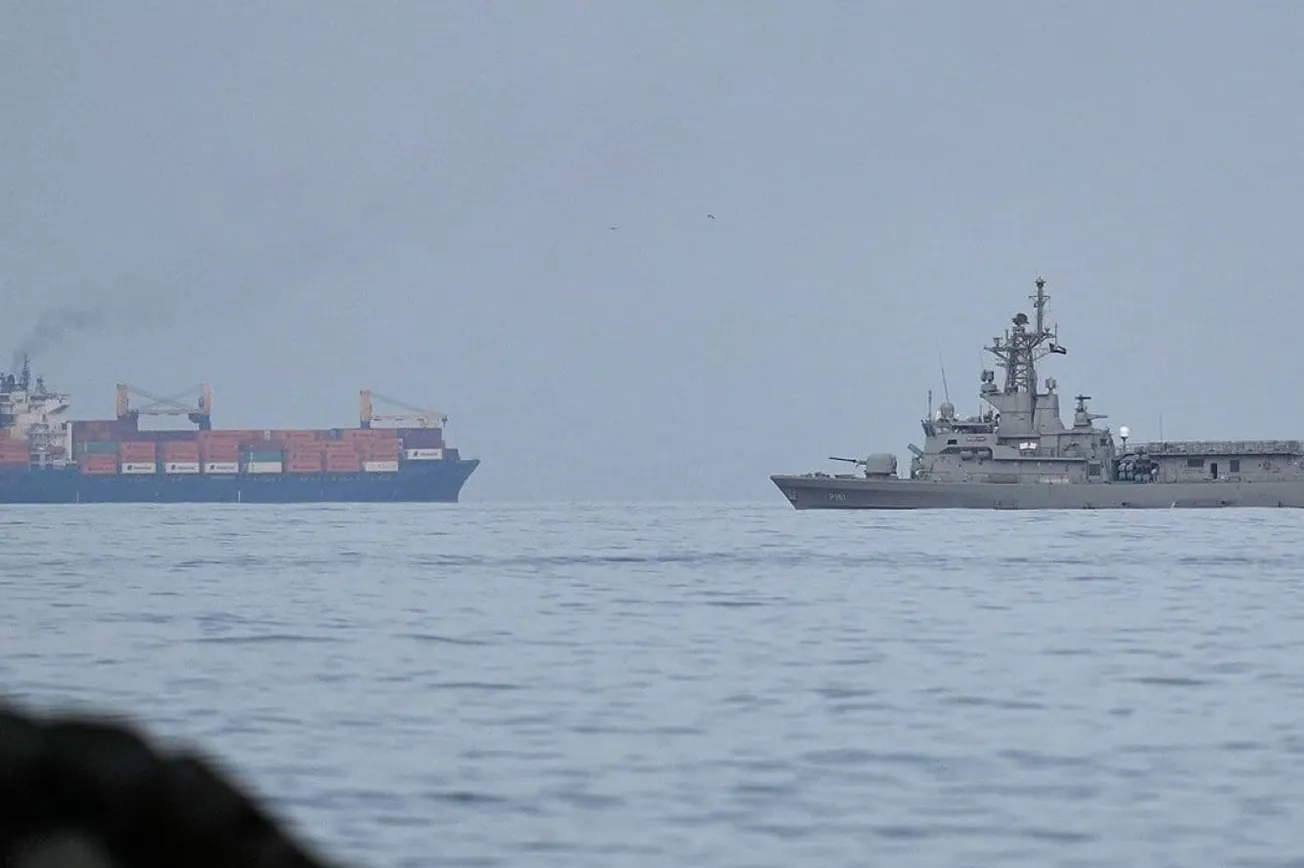
According to shipping data cited by CNBC, dozens of tankers remain stranded in the Persian Gulf, with estimates suggesting a backlog of roughly 118 vessels. Experts said clearing the queue could take 10 to 15 days, while full normalization may require additional time.
The report said mine-clearance efforts, naval safety checks, insurance approvals and coordination among regional authorities must be completed before traffic can fully recover. Analysts also noted that oil tankers and LNG carriers are likely to receive priority access.
While oil price forecasts have eased on expectations of higher supply, market participants remain cautious until shipping routes are proven safe and reliable over an extended period.
Related Tweet:
Strait of Hormuz reopening may take weeks to ease shipping backlog and oil pressure https://t.co/GA0oMIltxa
— CNBC (@CNBC) June 18, 2026
Also Read:
 TIPP Staff