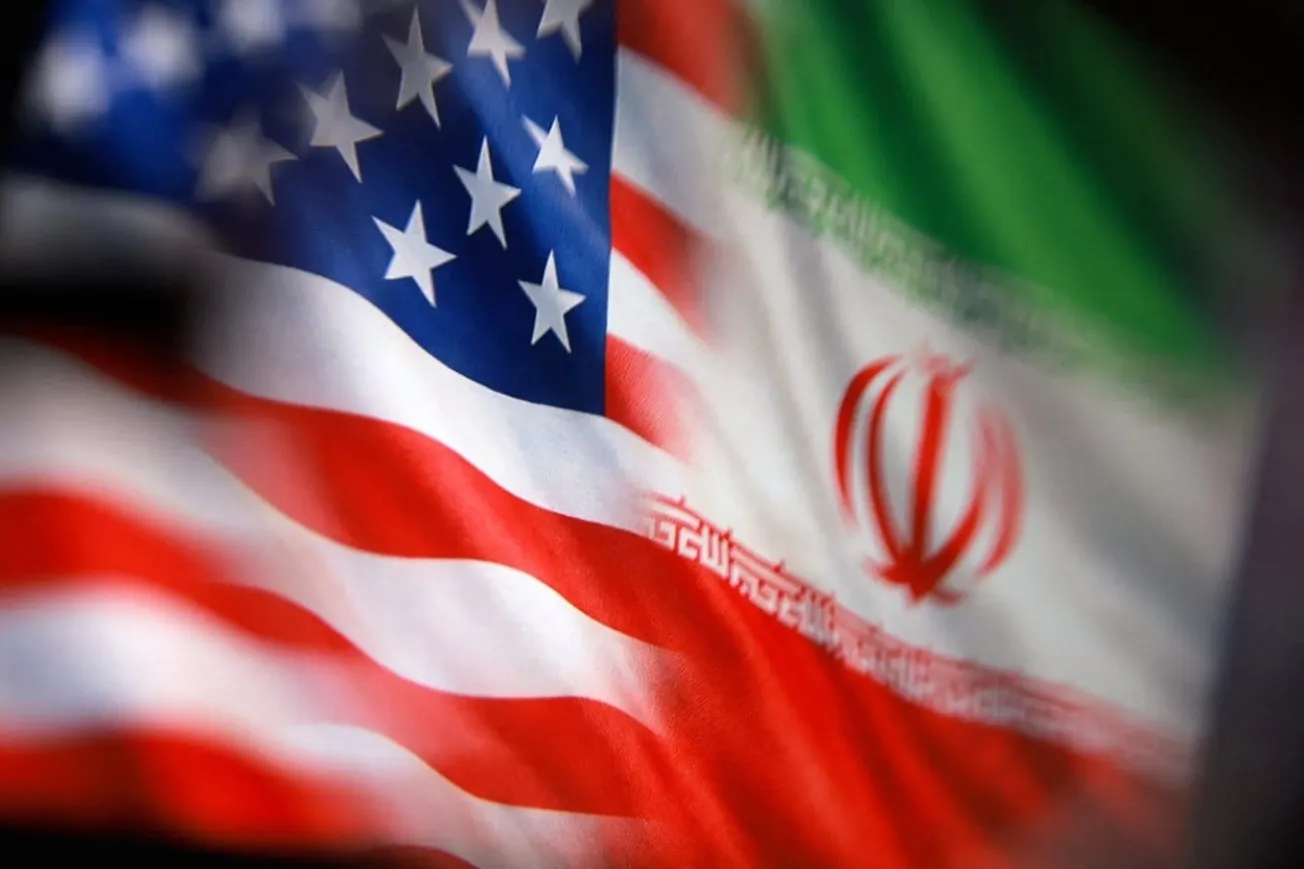
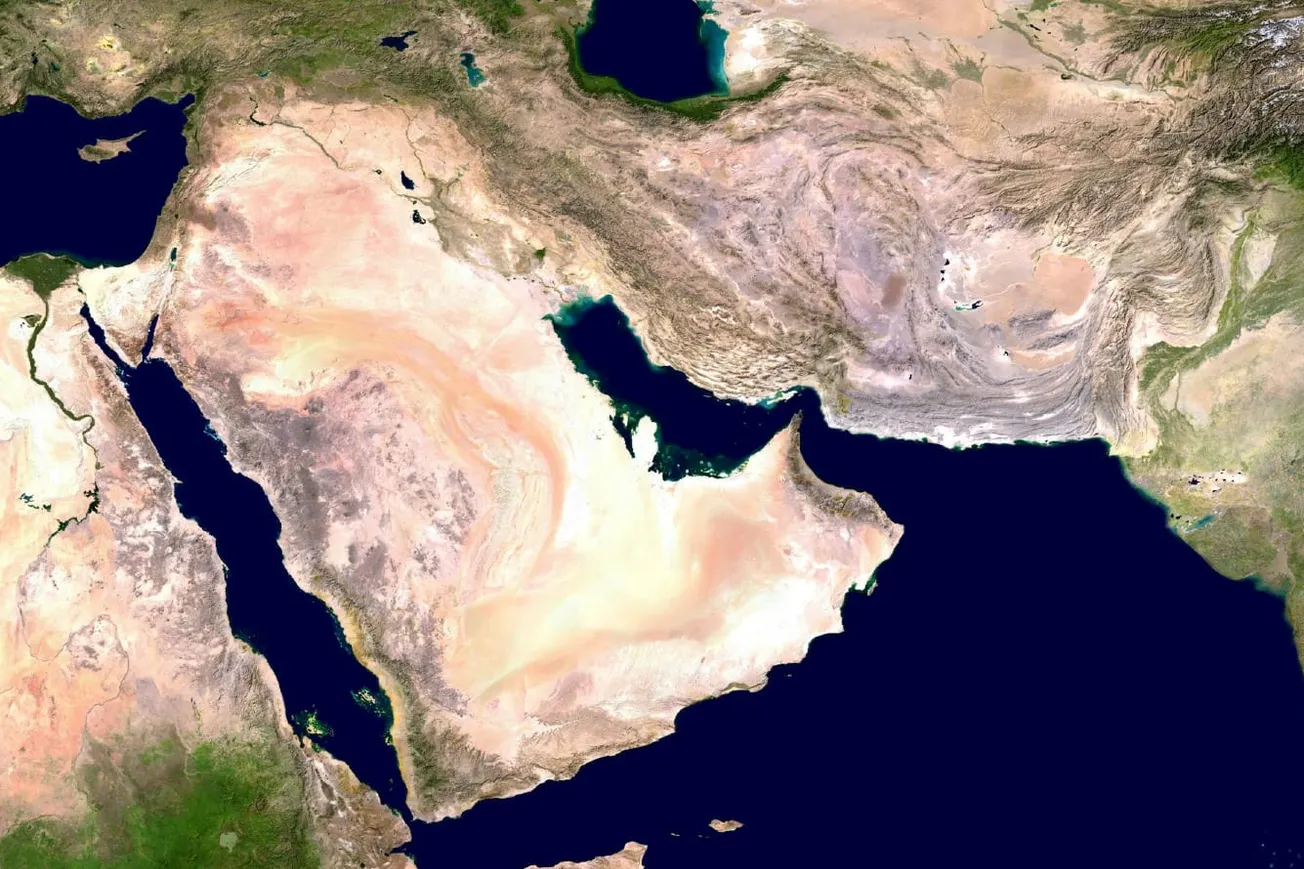
Gulf Arab nations are facing mounting pressure from Washington to join the U.S.-led war against Iran, but regional governments are holding firm on staying out of the fight.
According to CNN, Iran has fired more than 2,000 projectiles at Gulf states, with roughly 60% of its firepower aimed at Arab neighbors rather than Israel.
Despite the attacks, Gulf leaders remain wary of a conflict they believe could outlast American involvement in the region.
UNSC Condemns Iran Attacks on Gulf Nations & Jordan – Resolution Passed
— The Truth International (@ttimagazine) March 12, 2026
FOR MORE DETAILS: https://t.co/zQl0TCJXGU#UNSC #Condemns #Iran #Attacks #GulfNations #Jordan #Resolution #Passed #TTI pic.twitter.com/NYqHT2po7h
Experts point to deep distrust toward Washington after the Trump administration launched the war without consulting its Arab partners.
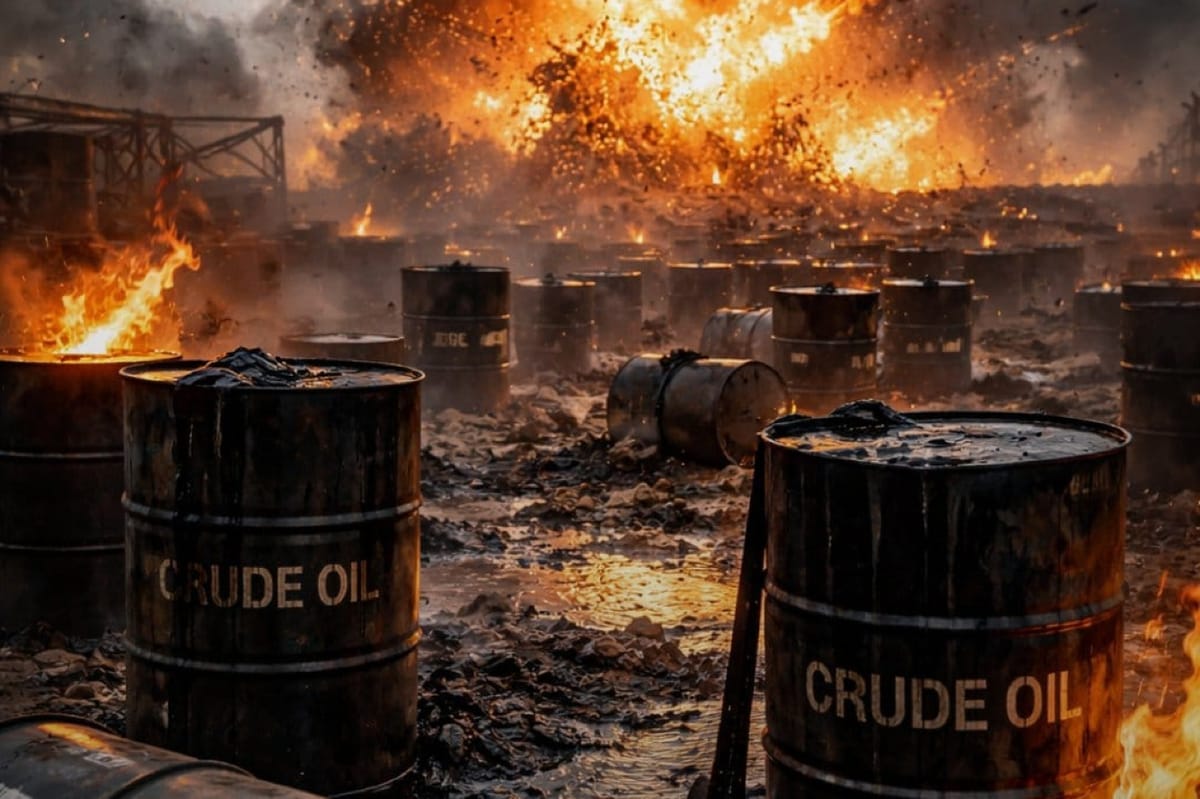
The economic fallout is significant. Energy shipments through the Strait of Hormuz have nearly stalled, triggering what analysts are calling the largest oil shock in history.
QatarEnergy, which supplies about 20% of global LNG, halted production following strikes on its facilities, sending European gas prices soaring nearly 50%.
Also Read:
 TIPP Staff