The US Embargo: The Economic And Human Consequences Of Flight Cancellations For Cuba
The end goal is to intensify economic pressure on the government, while also having broader effects on the daily lives of ordinary Cubans
The measures also restrict companies involved in importing industrial equipment and automotive parts.
As U.S. troops train in Panama’s jungle terrain, which resembles that of Cuba, U.S. War Secretary Pete Hegseth told reporters that all options, including military intervention, are on the table regarding Cuba.
Liu Haixing, head of the party’s International Department, met Cuban officials in Havana and said bilateral relations had reached an “unprecedented new height.”
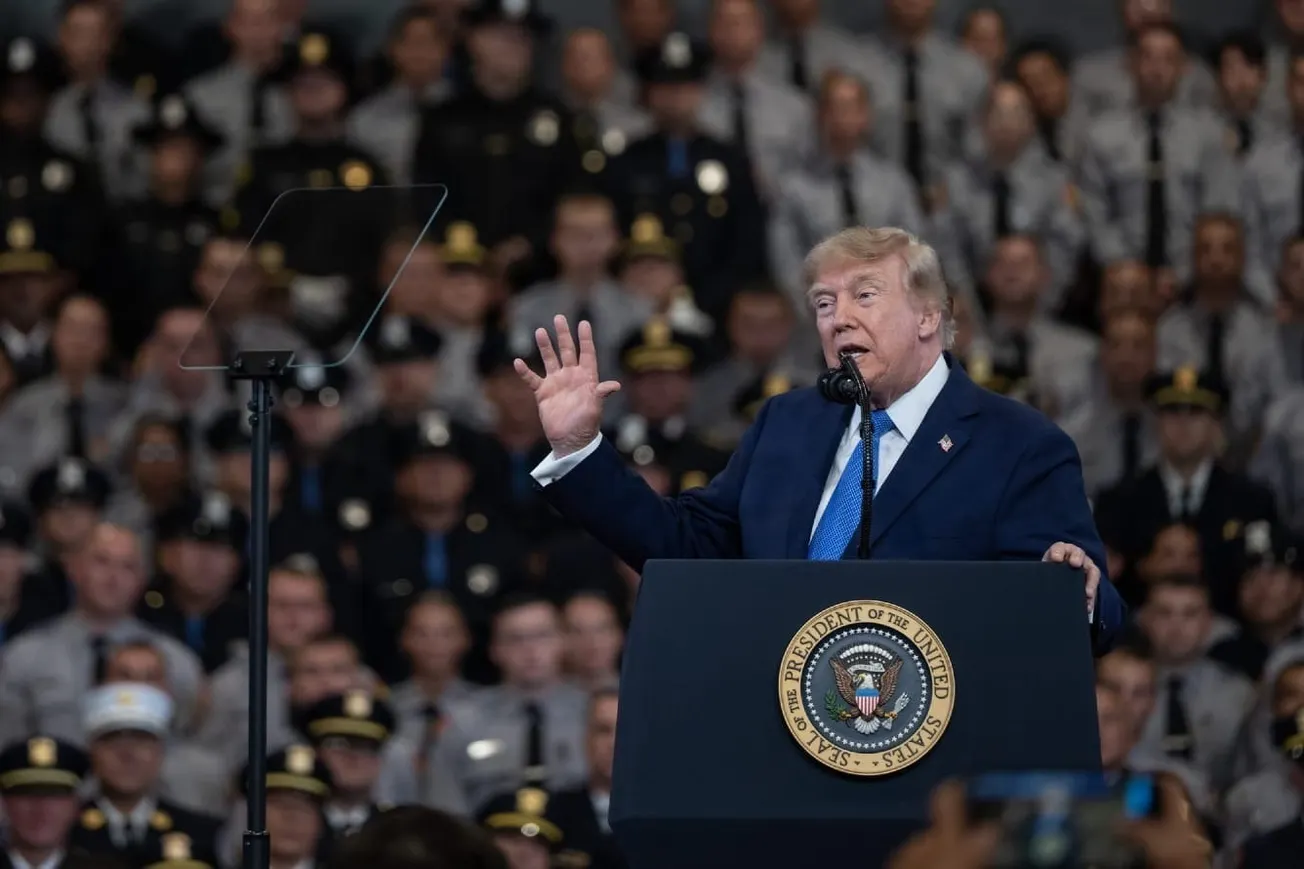
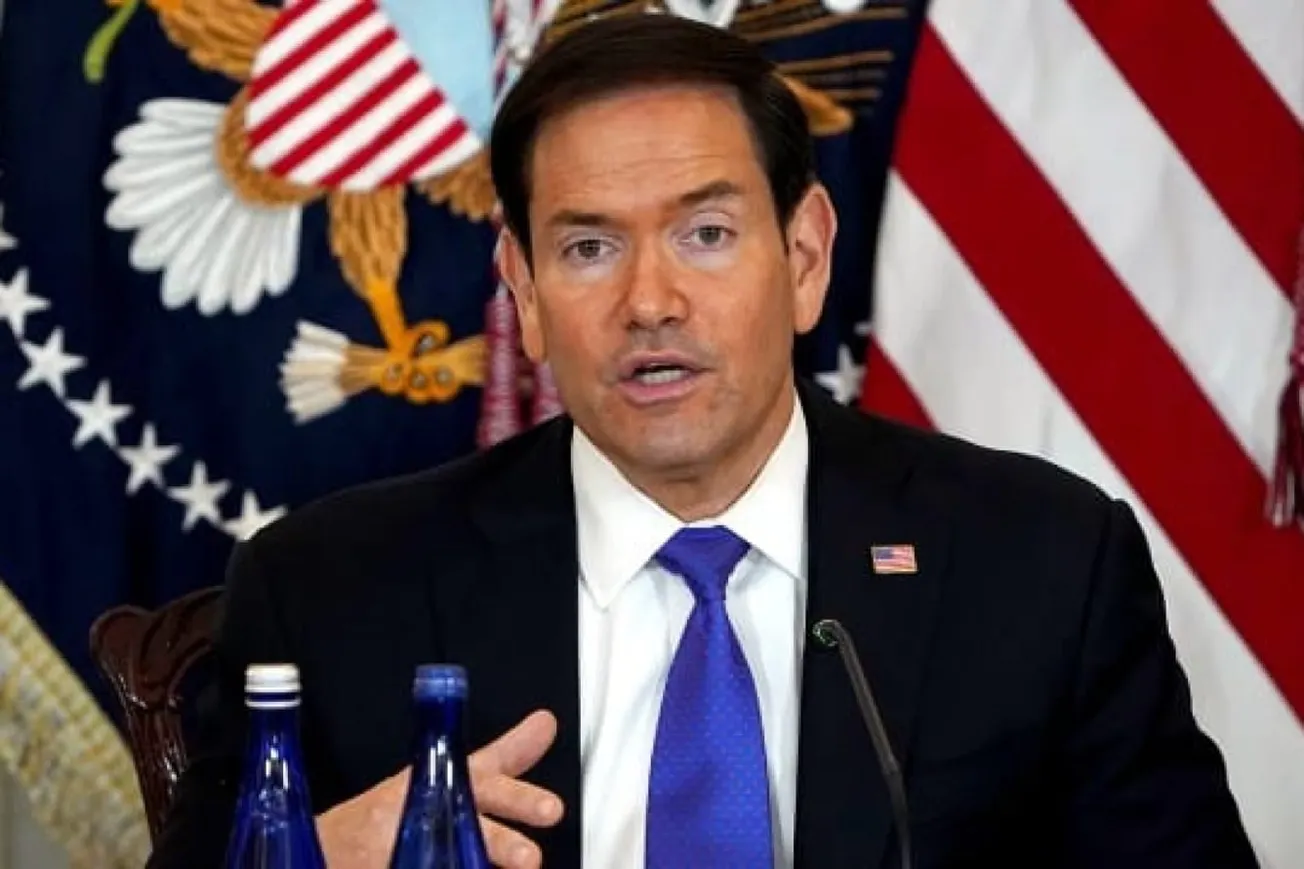
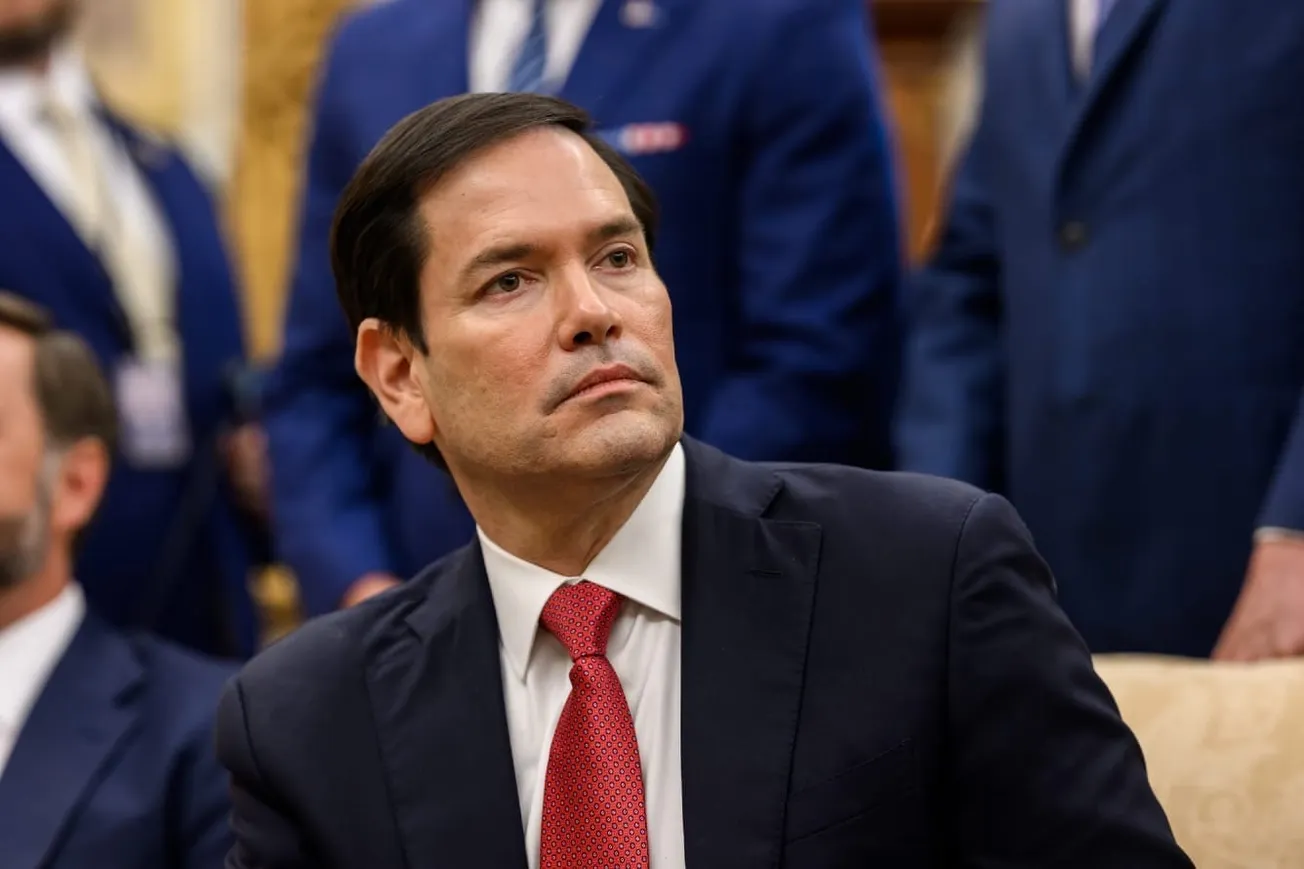
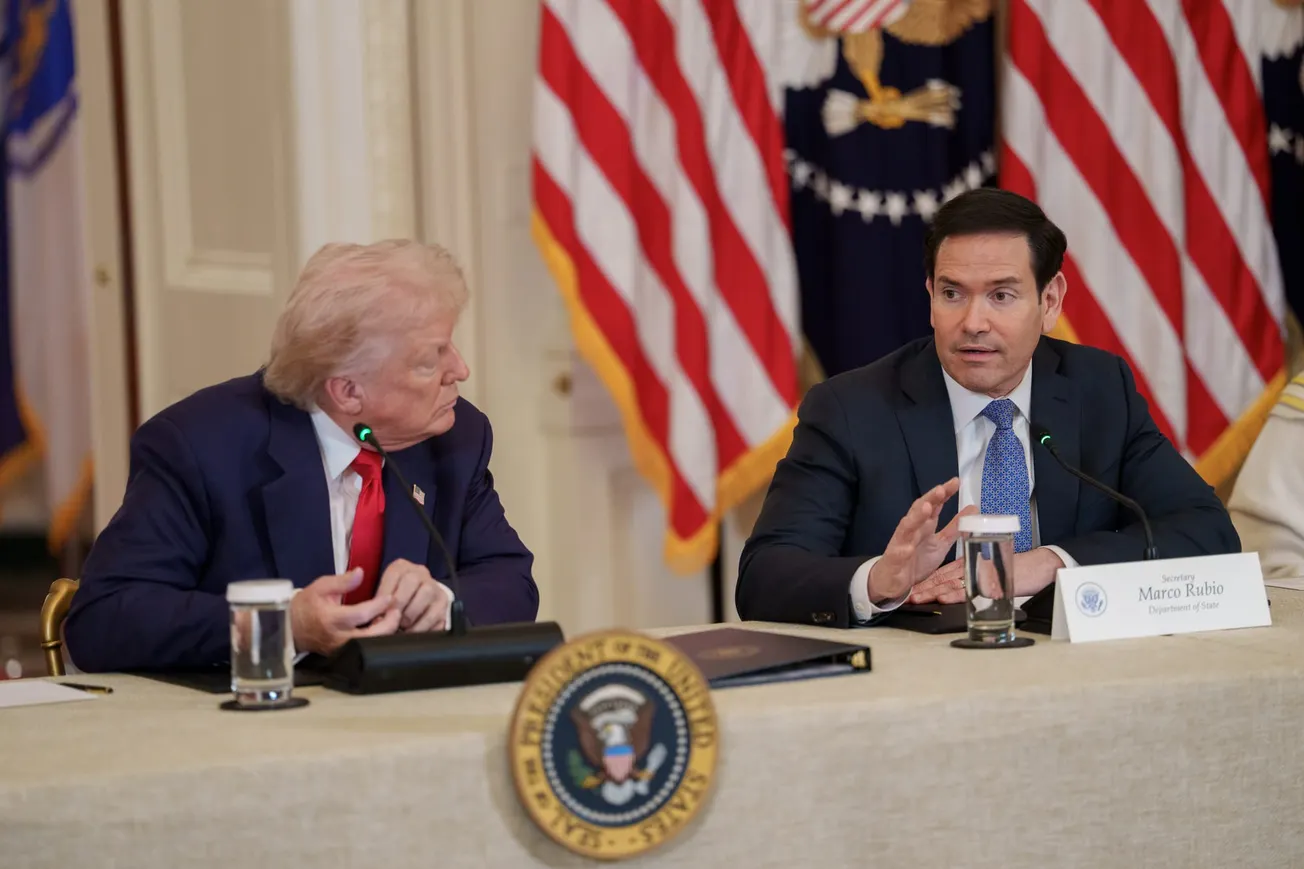
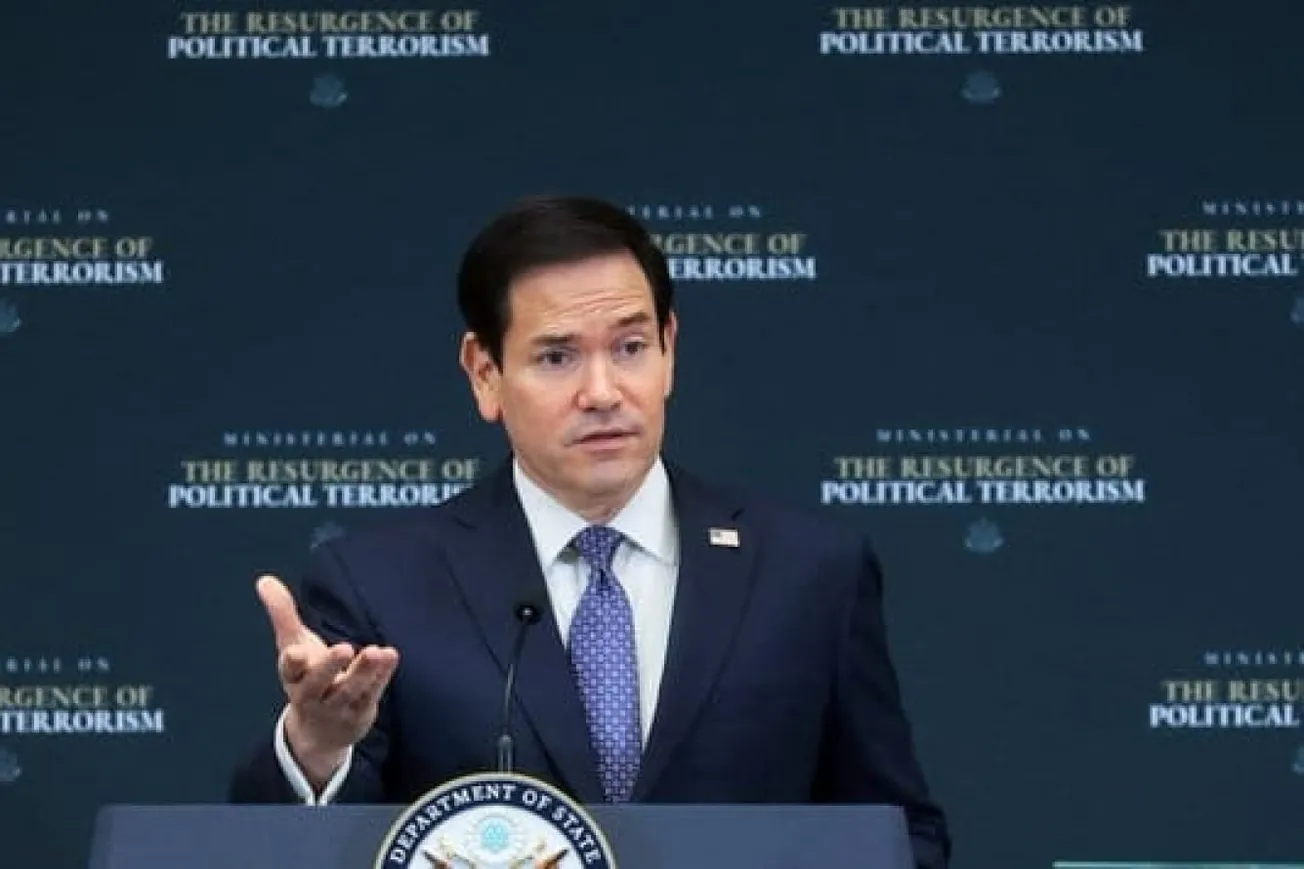
Secretary of State Marco Rubio announced the designations under an executive order President Donald Trump signed in May
Under the sanctions, all property and financial assets of the designated individuals and organisations that fall under U.S. jurisdiction are frozen, and American citizens and businesses are prohibited from conducting transactions with them.
It states that Cuba’s communist regime is behind the democratic socialist movements and radical leftist groups here in America
The report highlighted alleged Cuban espionage, saying the regime “perfected a new model for a long war of attrition, organized around espionage, infiltration, sabotage, proxy networks, and a revolutionary infrastructure designed to turn America against itself.”
The initiative, valued at $60 million, is intended to deliver aid directly to communities while bypassing the Cuban government.
For more than 50 years, both Russia and the United States have complied with that agreement
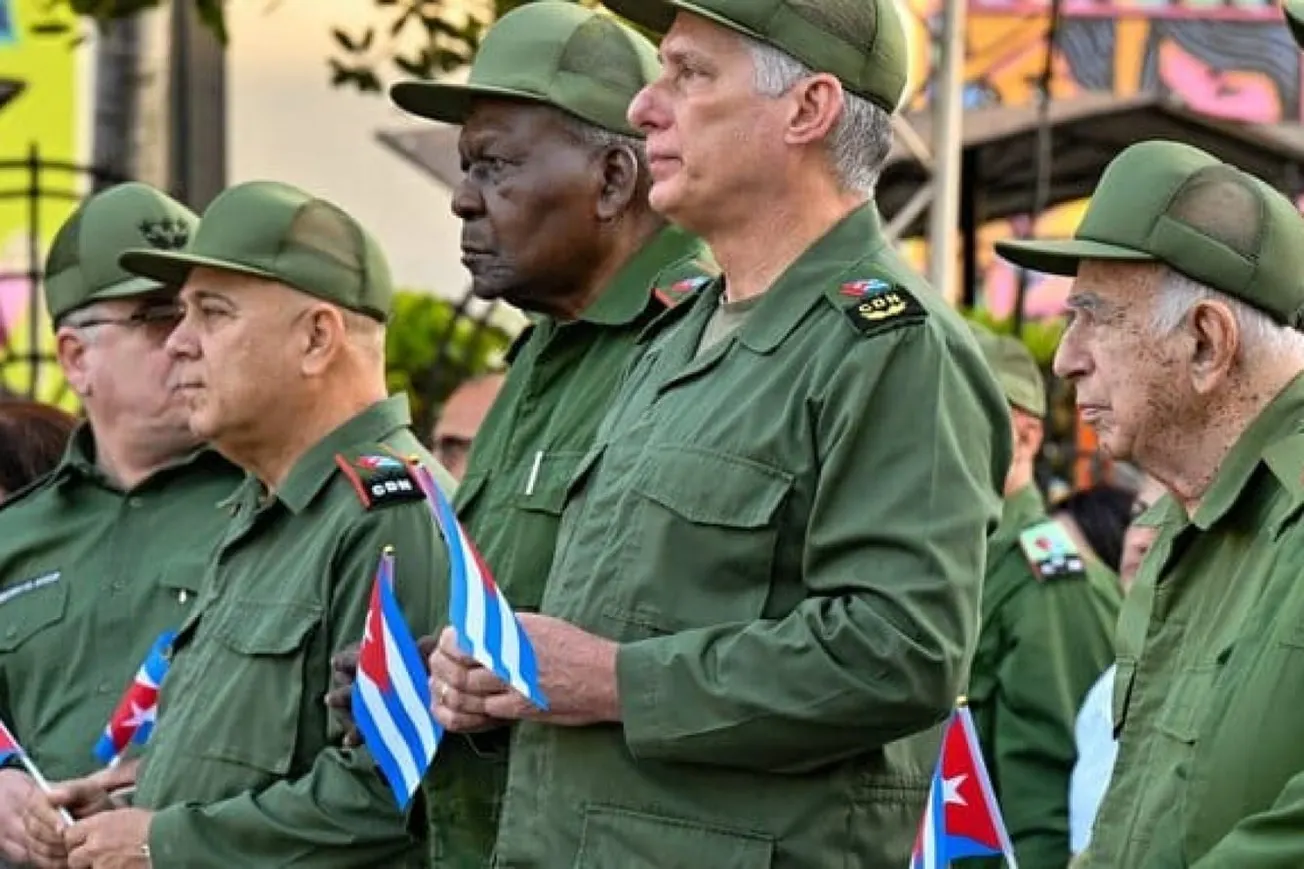
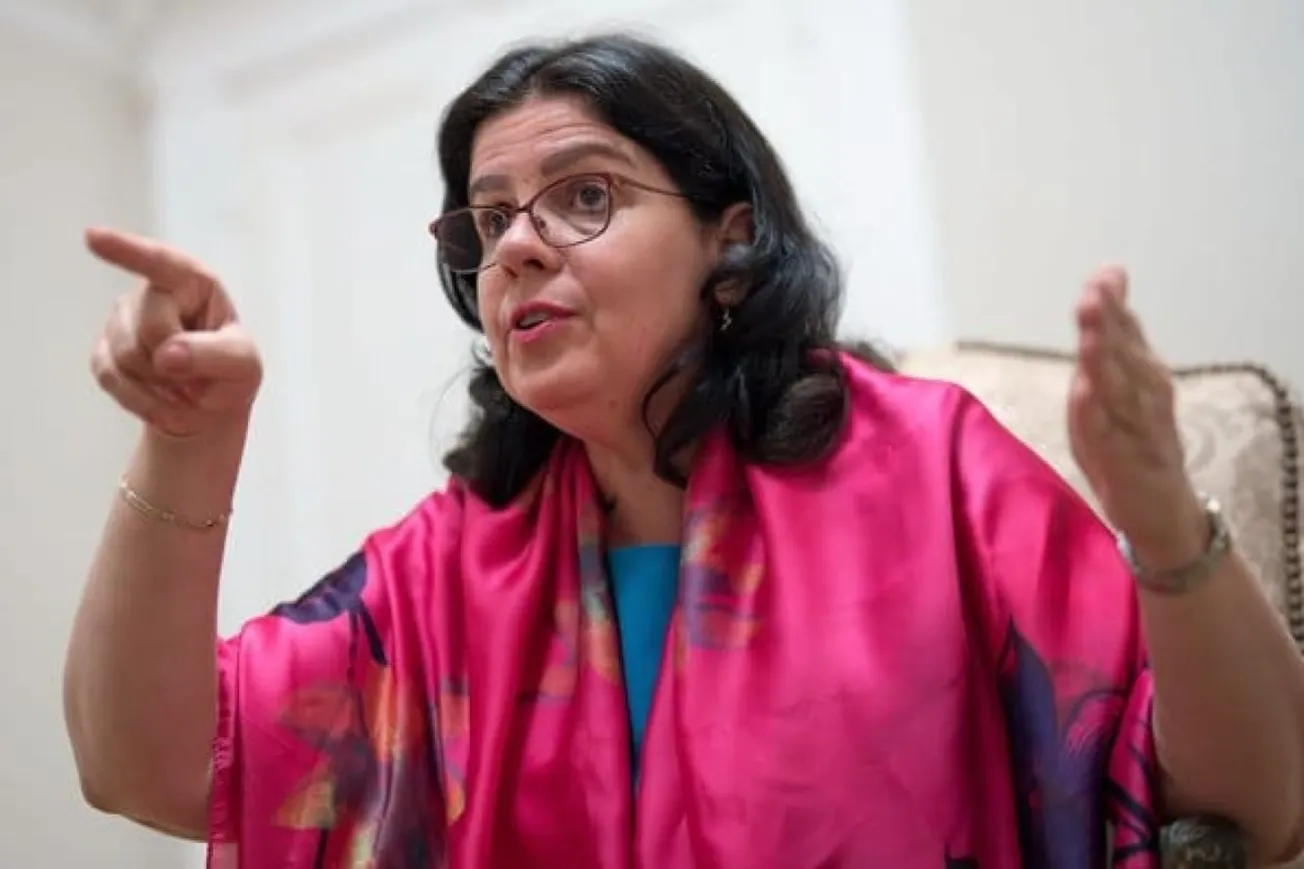
Ambassador Lianys Torres Rivera criticized sanctions announced by the U.S. Treasury Department against Cuban President Miguel Díaz-Canel and other officials.
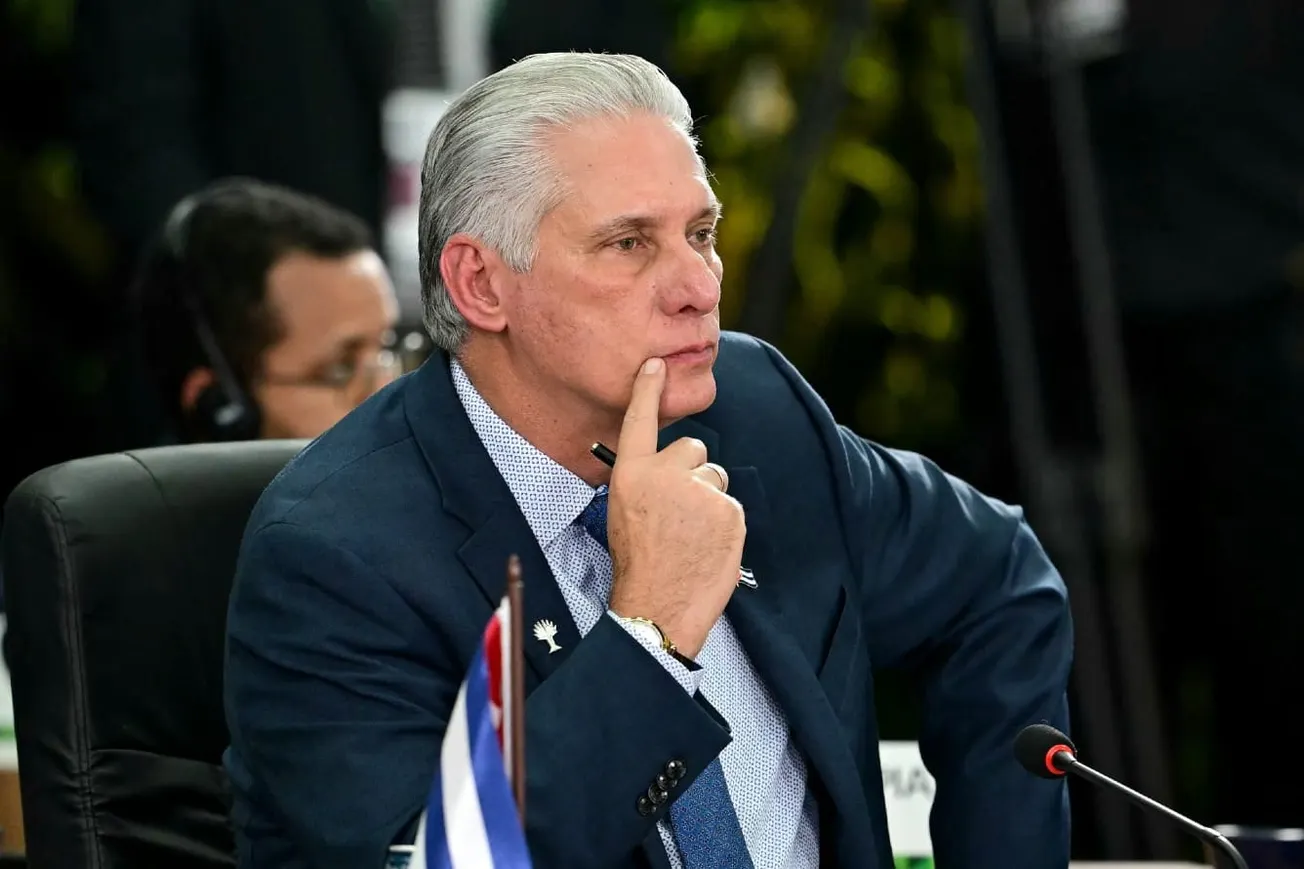
The Trump administration has imposed new sanctions on Cuban President Miguel Díaz-Canel
Secretary of State Marco Rubio said Washington still preferred diplomacy but warned the chances of reaching a negotiated settlement with Havana were “not high.”
In an 8-1 ruling issued on Thursday, Justice Clarence Thomas found that Havana Docks “did not have to prove that the cruise lines interfered with a property interest that would have existed in the counterfactual scenario in which the Cuban government did not confiscate it.”
“Ha, ha, ha,” Rep. Maria Elvira Salazar, R-Fla., said sarcastically in response. “Ha, ha, ha.”
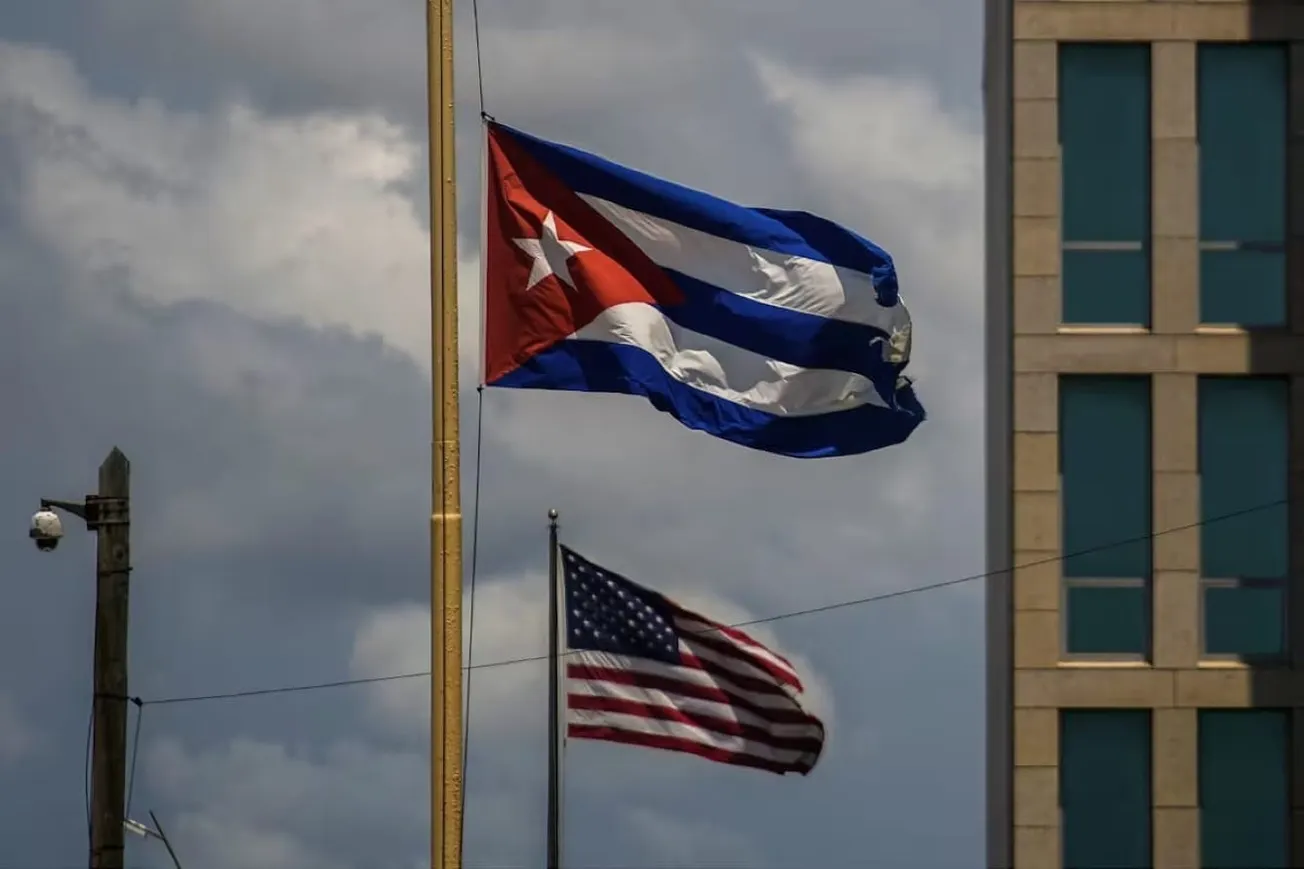
Long before the communist revolution of 1959, Cuba and the U.S. shared one of the closest relationships in the Western Hemisphere