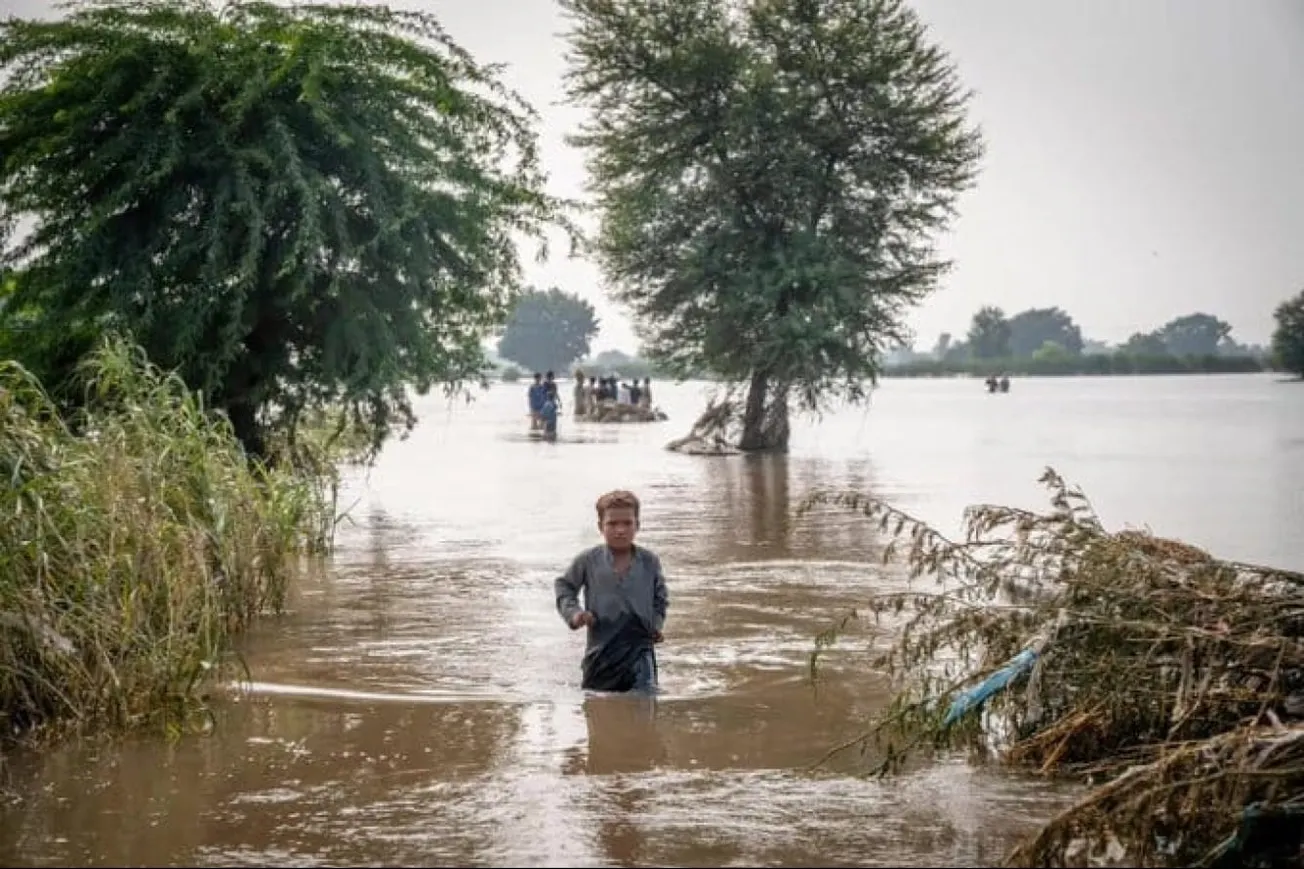
Nearly half of the world's children are now exposed to three or more major climate-related hazards, according to a new report from UNICEF, which warns that climate change is increasingly threatening the health, safety, and future development of young people around the globe.
The report estimates that approximately 1.1 billion children live in areas affected by multiple overlapping climate risks, including extreme heat, drought, flooding, cyclones, water scarcity, and other environmental threats.
The findings show that the burden is not evenly distributed. Children in Sub-Saharan Africa and parts of South Asia face the greatest risks, with many communities experiencing several climate-related challenges simultaneously.
Among the most significant threats identified are drought, extreme heat, and recurring heat waves, which together affect hundreds of millions of children.
Nigeria recorded the highest number of children exposed to these combined risks, followed by Pakistan and India.
The organization warned that without stronger action to reduce greenhouse gas emissions, climate-related disasters are likely to become more frequent and severe, placing additional strain on already vulnerable communities.
UNICEF is urging governments to accelerate climate mitigation efforts while also investing in child-focused adaptation measures.
These include strengthening healthcare systems, improving climate-resilient schools, expanding access to clean water, and developing social protection programs that can help communities withstand environmental shocks.
The agency argues that protecting children from climate risks is essential not only for their immediate welfare but also for long-term global development and stability.
Related Tweet:
By highlighting where climate hazards overlap and where children are most vulnerable, UNICEF’s latest analysis enables governments to identify those who are most at risk, and take action to strengthen essential services, protecting children before the next shock hits.
— UNICEF (@UNICEF) June 16, 2026
We know… pic.twitter.com/JOQrghFYlw
Also Read:
 TIPP Staff