Skip to content

Imported Chaos

A billion-dollar Somali fraud in Minnesota exposes America’s failed refugee policy.

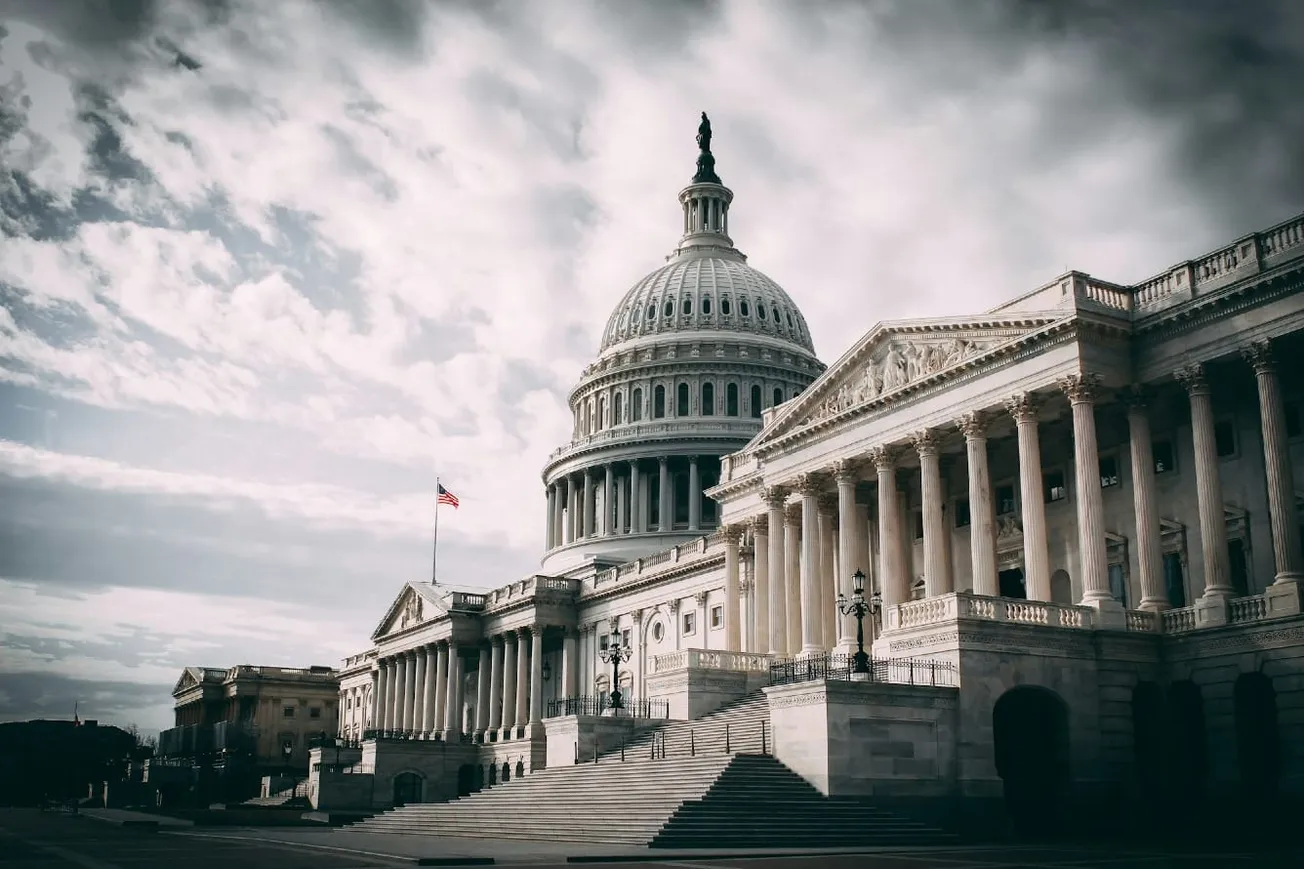
Photo by Bao Chau / Unsplash

The recent Minnesota scandal, involving an alleged $1 billion misuse of government funds through a web of fraudulent nonprofits, has once again put Governor Tim Walz under scrutiny. The story was greenlighted by none other than the New York Times. Soon, other liberal outlets, such as CNN, dutifully followed.

Perhaps the Left is growing weary of Walz after his lackluster performance as the Democratic Party’s vice-presidential nominee last year. Or the coverage reflects an early effort to sideline Walz should he consider another presidential run in 2028.

Whatever the case, the focus should not be on Walz. The larger story is how federal and state officials built an immigration and resettlement system that failed to account for the governance culture and entrenched corruption norms that many refugees were fleeing. These systemic weaknesses enabled large-scale fraud.

The Minnesota case shows that humanitarian considerations cannot be the only basis for American immigration policy. Since 1991, the United States has resettled more than 150,000 Somali refugees. It is one of the largest resettlement efforts for Africans in modern American history.

The origins of the problem trace back to President George H. W. Bush, who created the framework by granting Temporary Protected Status (TPS) to Somali nationals already in the United States. The classification was intended to be short-term, but that has been extended repeatedly under many administrations.

The most recent extension came in 2023 under President Biden. TPS differs from the formal refugee benefits granted via overseas processing and resettlement visas. What was meant to be a temporary designation has effectively become a long-term immigration pathway.

In 1992, President Bill Clinton granted refugee visas to Somalis coordinated through the UN High Commissioner for Refugees (UNHCR) and the U.S. Refugee Admissions Program. Rep. Ilhan Omar was one of those beneficiaries. By the mid-1990s, annual Somali refugee admissions had risen to several thousand, and the program expanded steadily from its 1992 foundation. In 1999, Clinton announced that America would accept up to 12,000 Somali Bantu refugees for resettlement over the following years.

By 2011, the cumulative total of Somali refugees admitted to the United States had reached nearly 100,000, reflecting decisions made by several administrations across both parties.

Under the Obama administration (2009–2017), roughly 54,000 Somali refugees were resettled across America. Policies under Trump (2017–2021) temporarily halted admissions through travel bans and refugee caps, but President Biden reversed many of those restrictions.

The central question in the Somali immigration debate is why the United States adopted an extensive resettlement program from a region whose political culture and civic norms differ sharply from America’s expectations of the rule of law and social trust. Immigration is about cultural integration and adding value to the host country.

Integration outcomes for Somali communities have been uneven, and several high-profile fraud cases illustrate how difficult it has been to bridge norms shaped by decades of weak institutions and corruption in Somalia.

More than thirty years after the first large wave of Somali refugees arrived, the community has produced few nationally recognized examples of economic success or innovation in the United States. The overall integration record remains limited even as the scale of resettlement has grown. The resettlement effort has not produced the upward mobility or civic contribution that policymakers once promised, and public frustration reflects this gap between expectation and reality.

Somalia remains one of the least developed countries in the world, with a nominal GDP per capita under six hundred dollars and institutions that have never recovered from decades of conflict. It ranks 180 on the Corruptions Perceptions Index (U.S. ranks 24). Al-Shabaab, the al-Qaeda-linked militant group, continues to hold territory, impose its own courts, and disrupt civic life.

Further, for nearly two decades, pirate groups operating from Somalia disrupted global shipping routes off the Horn of Africa. At their peak in 2011, these groups attacked hundreds of vessels and held crews for ransom, creating billions of dollars in economic losses for the shipping industry. Hollywood later dramatized the crisis in the film Captain Phillips, with Tom Hanks portraying the American captain whose ship was hijacked.

Even now, attacks stretch from the Somali coast into the western Indian Ocean and as far as 1,000+ nautical miles offshore. Few merchant ships feel safe. The economic cost to global shipping is estimated at $7–12 billion annually to pay for additional insurance, rerouting costs, and armed guards. All of these extra expenses are borne by the consumers when they shop.

The prolonged lawlessness shapes the governance culture that many Somali refugees are fleeing. It also creates serious challenges for integration into a society built on the rule of law and individual accountability.

Migrants arriving from Somalia often come from a society where corruption is normalized through weak institutions, clan patronage, and the absence of accountability. These patterns do not disappear overnight, and American policymakers never built a resettlement system equipped to address such deep cultural and institutional differences.

There is no policy case for expanding visas or refugee admissions from a country whose institutions remain defined by corruption, instability, and the absence of the rule of law. American immigration policy should reflect national interests and measurable integration outcomes, not automatic generosity toward failed states.

Somalia remains a prototypical fragile state with chronic insecurity, clan politics, jihadist insurgency, and a culture of fraud, abuse, and graft running through much of its society.

President Trump repeatedly made these points at his cabinet meeting on Tuesday. "When they come from hell, and they complain and do nothing but bitch. We don't want 'em in our country. Let 'em go back to where they came from and fix it!"

America has no obligation to continue large-scale resettlement from Somalia. Future admissions should be based on clear national benefit and on evidence that integration is possible, neither of which is present today.

Your feedback is incredibly valuable to us. Could you please take a moment to grade the article here?

TIPP Curated

Handpicked articles from TIPP Insights & beyond

From TIPP Insights News Editor

1. UK Report Finds Putin Behind 2018 Nerve Agent Assault

2. Putin Doubles Down On Donbas As U.S.-Ukraine Peace Talks Resume

3. U.S.–Russia Talks Could Undercut Ukraine, European Leaders Warn

4. U.N. Demands Russia Return Abducted Ukrainian Children

5. How Ukraine’s Drone Schools Became The Front Line Against Russia

6. China Rejects Japan’s Taiwan “Clarification,” Demands Full Retraction

7. China, France Sign New Deals After Candid Talks On War And Trade

8. Why India And China Say Europe’s Carbon Tax Risks “Unfair Trade”

9. Congress Presses Pentagon Over Deadly Drug-Boat Strike

10. U.S. Reconsiders Tanzania Ties After Deadly Election Crackdown

11. Christmas Season Lifts RCM/TIPP Economic Optimism Index

12. NYT Lawsuit Slams Hegseth’s 'New Press Corps' As Threat To Free Speech

13. Gates Report Warns Global Health Cuts Will Cost Hundreds Of Thousands Of Young Lives

14. Young Workers Want Smarter, More Personal AI At Work, Report Finds

15. Report: Meta May Slash Metaverse Budget By 30%


📊 Market Mood — Friday, December 5, 2025 (Pre-Market)

🟩 Futures Edge Higher Ahead of Key Inflation Data
U.S. futures are slightly higher as traders await the long-delayed PCE inflation report, a crucial input for next week’s Fed meeting. With limited fresh data due to the government shutdown, markets have leaned heavily on secondary labor indicators. Expectations remain strong for a December rate cut as policymakers assess weakening job momentum.

🟨 Inflation Back in Focus with PCE Release
The Fed’s preferred inflation gauge returns to center stage today. Core PCE is expected to hold steady, though its September vintage limits immediacy. Still, along with personal income and spending numbers, it represents one of the final data points before the December 9–10 policy meeting, where a quarter-point cut is widely anticipated.

🟧 Consumer Sentiment Set for a Mild Rebound
The University of Michigan’s sentiment survey is also due, offering a more up-to-date reading of household confidence. Analysts expect modest improvement from last month’s steep drop. Early data suggest a widening divide: higher-income Americans remain upbeat, buoyed by stock market gains, while lower-income households feel the strain of the shutdown and job-market softening.

🟥 Netflix–Warner Bros Discovery Deal Talks Heat Up
Netflix has reportedly entered exclusive talks to buy key film, TV, and streaming assets from Warner Bros Discovery. The move could create a Hollywood giant controlling franchises like “Game of Thrones” and “Harry Potter.” Warner Bros shares rose in extended trade, while Netflix edged slightly lower as negotiations advance.

🟦 Oil Steadies After Thursday’s Rise
Crude prices are flat after Thursday’s gains, supported by worries that stalled U.S.–Russia peace efforts will keep sanctions on Russian oil in place. Brent is steady near $63, while WTI hovers just below $60. Despite choppy trading, WTI is on track for a second straight weekly gain as supply risks keep a floor under prices.


🗓️ Key Economic Events — Friday, December 5, 2025

🟨 10:00 AM — Core PCE Price Index (MoM) (Sep)
The Fed’s preferred inflation gauge. Tracks monthly changes in underlying consumer prices excluding food and energy.

🟧 10:00 AM — Core PCE Price Index (YoY) (Sep)
Annual change in core consumer prices. A critical benchmark for assessing longer-term inflation trends.

📧
Letters to the editor email:
editor-tippinsights@technometrica.com
📰
Subscribe Today And Make A Difference. Consider supporting Independent Journalism by upgrading to a paid subscription or making a donation. Your support helps tippinsights thrive as a reader-supported publication. Contact us to discuss your research or polling needs.

Comments

Latest