Business activity across the euro zone slowed sharply in March, raising fears of stagflation as the Iran conflict disrupts global energy markets. The S&P Global flash PMI fell to 50.5 from 51.9 in February, barely staying above the growth threshold of 50, according to S&P Global data reported by Reuters.
Economists warn the region faces a dangerous mix of rising prices and weak growth. Chris Williamson of S&P Global said the data signals “stagflation alarm bells,” as energy costs surge and supply chains tighten.
The Iran conflict has handed Europe its most punishing economic combination in years — stagflation. With input costs surging, output stalling and confidence collapsing, the ECB's window of stability seems to have closed. https://t.co/WZzHe1vUr0
— euronews (@euronews) March 24, 2026
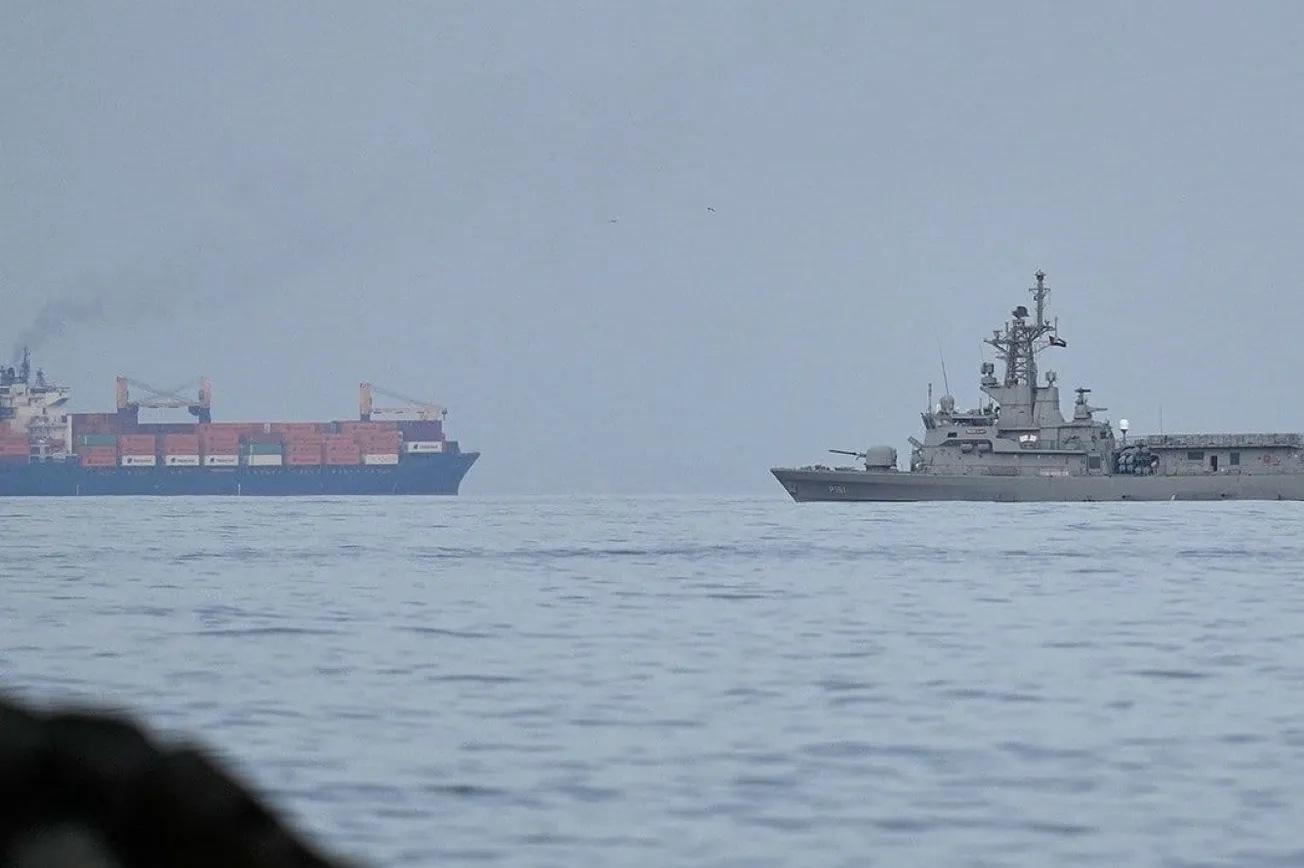
The report said firms are facing the fastest cost increases in over three years, with shipping delays worsening.
Hiring slowed and business confidence weakened, with companies lowering output expectations. The European Central Bank forecasts 0.9% growth in 2026 and 2.6% inflation this year, but analysts say inflation could climb closer to 3%.
European Commission President Ursula von der Leyen called the energy situation “critical,” urging negotiations to ease tensions.
Also Read:
 TIPP Staff