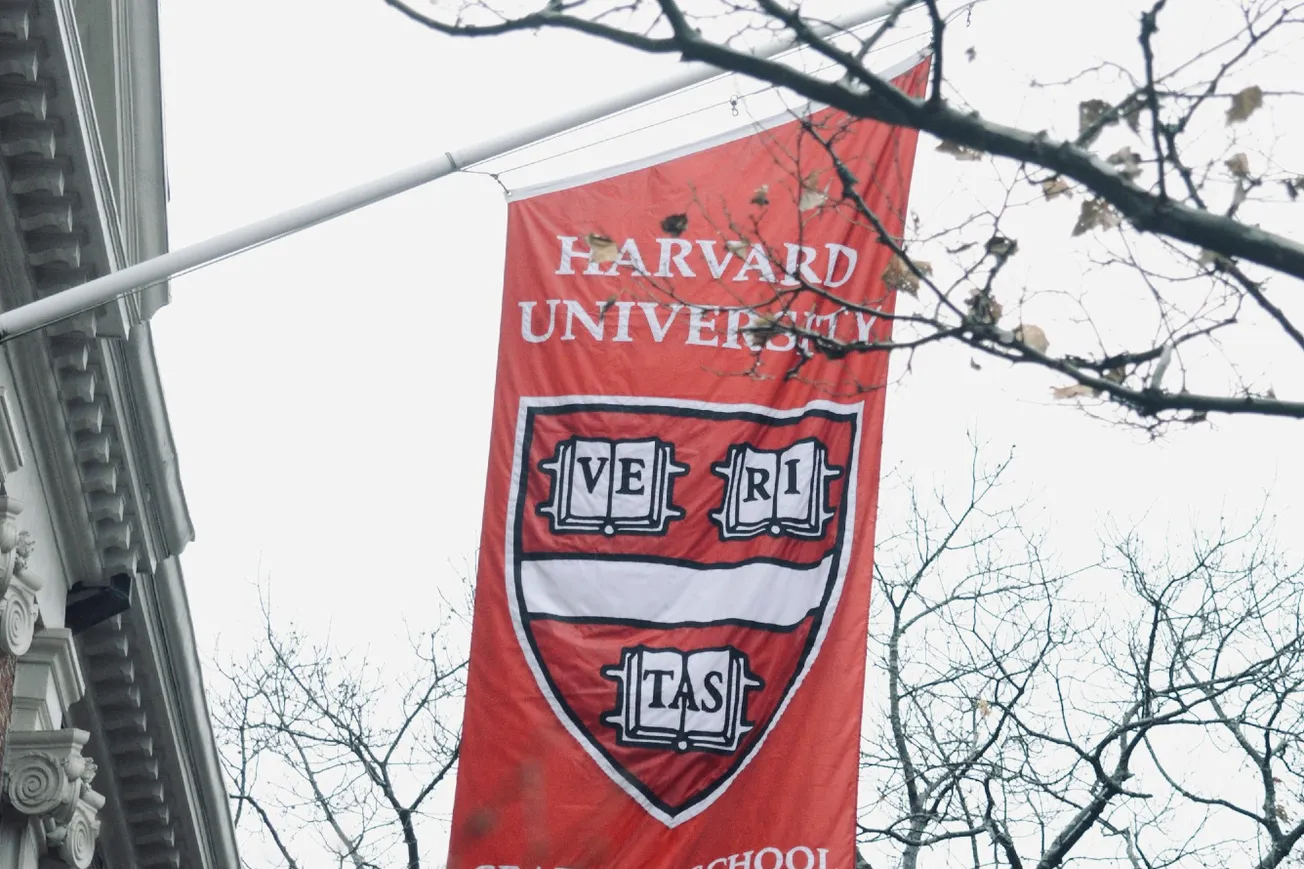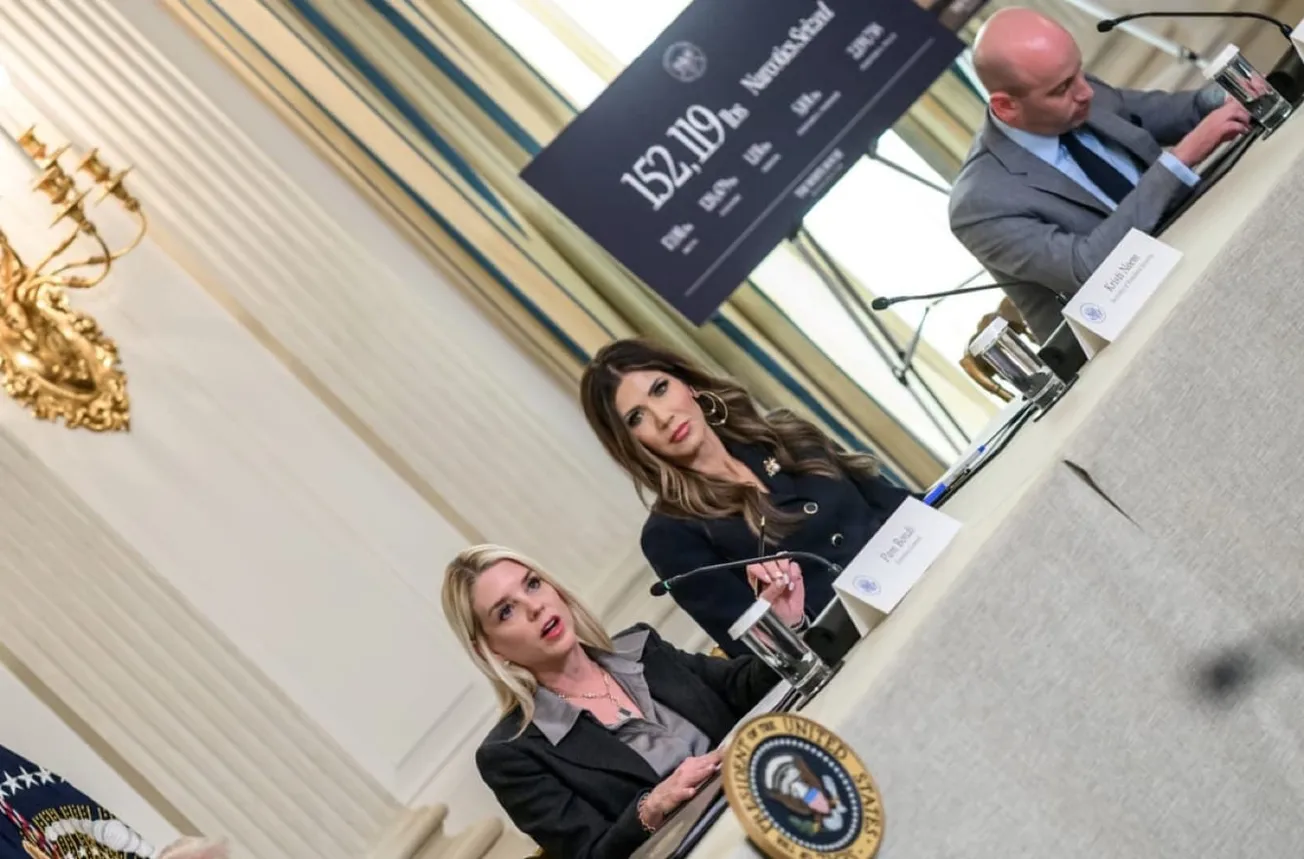
The New York Times loves it when anyone rebuffs the Trump administration. And so, for the thousandth time, the newspaper of record blared headlines on its website that a judge ruled against the Trump administration, holding that it illegally canceled Harvard's federal funding.
The paper couldn't contain its glee when it actually used the word "rebuff": "The ruling may not be the final word on the matter, but the decision by Judge Allison D. Burroughs of the U.S. District Court in Boston was an interim rebuff of the Trump administration's campaign to remake elite higher education by force."
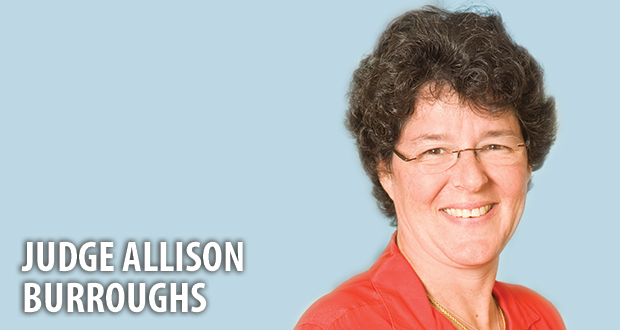
However, a look under the hood shows that the decision was not unexpected at all. Judge Burroughs, who serves as a United States District Court judge for the District of Massachusetts and was nominated by President Obama in 2014, has consistently ruled in favor of Harvard in cases that come before her. She has unfailingly ruled against the Trump administration and was the first judge to declare his first travel ban in 2017 unconstitutional.
Judge Burroughs has such a soft spot for Harvard that she did not recognize blatant discrimination against Asian American students in the 2019 case, Students for Fair Admissions v. Harvard. Asian American students had alleged that Harvard's race-conscious admissions, preferring African Americans, Hispanics, and Native Americans, violated Title VI of the Civil Rights Act and discriminated against them.
After a 15-day bench trial, Judge Burroughs found that Harvard's use of race was part of a holistic review and narrowly tailored to achieve the educational benefits of diversity. She emphasized that Harvard did not engage in racial balancing or use race mechanically, and that no workable race-neutral alternatives would achieve similar diversity outcomes. Affirming that diversity is a compelling interest, she concluded that Harvard's process was lawful, transparent, and consistent with constitutional principles. She noted that diversity "promotes cross-racial understanding" and prepares students for a pluralistic society, reinforcing race as one factor in admissions.
A judge is supposed to consider arguments from both sides before issuing a decision. Even when the facts presented clearly showed Harvard's bias against Asian Americans, such as Harvard requiring higher SAT scores from them than from African American students, Judge Burroughs looked the other way. Documents showed that Harvard assigned lower "personal ratings" to Asian American applicants during its admissions process, a subjective measure that considered traits such as an upbeat personality, likability, courage, integrity, kindness, and being widely respected. Still, Judge Burroughs found nothing wrong. As Forbes reported, Judge Burroughs "acknowledged the statistical disparity but found no evidence of racial animus, concluding that the ratings were not intentionally discriminatory."
In a landmark 6-3 ruling, the Supreme Court overturned Judge Burroughs's ruling, in such a major rebuke that many other judges would have retired from the federal bench. The Court found her legal analysis deeply flawed under the Equal Protection Clause. Chief Justice Roberts wrote that Harvard's use of race was not measurable, lacked a logical endpoint, and relied on stereotypes. The Court emphasized that admissions must treat applicants as individuals, rather than as representatives of racial groups. It criticized Burroughs's acceptance of race as a "tip" in decisions, arguing this made race determinative for many applicants. Ultimately, the Court ruled that Harvard's policy amounted to racial balancing and penalized Asian American students. The New York Times never used the word "rebuff" to describe the legal shellacking that Judge Burroughs received. Not surprising, because the person was not Donald Trump.
Enjoy sharp, independent analysis like this? Get full access to our premium coverage — just $99/year.
The result of the decision was so profound that it affected not only Harvard and UNC–Chapel Hill. The decision rewrote the law on affirmative action for all college admissions nationwide. Conservative plaintiffs are pushing to test the law to challenge school districts' affirmative action policies, such as specialized programs for minority students, or hiring more minority teachers.
As our columnist and editorial board member recently wrote, the Supreme Court, however, left a side door wide open for students to acknowledge race in their essays. However, most colleges do not want to endure a legal challenge, and fearing lawsuits, more than 80% of schools continue to remain test-optional, despite studies repeatedly showing that SAT scores are excellent predictors of success in college courses, especially for first-year students. In effect, Judge Burroughs's blind and sycophantic support of Harvard in a courtroom has set back college admissions policies by decades.
Judge Burroughs has ruled in Harvard's favor in two other cases this year. In the AAUP-Harvard Chapter v. Trump Administration case, which involved academic freedom and retaliation claims, she issued a summary judgment in favor of Harvard and AAUP, affirming faculty rights and institutional autonomy.
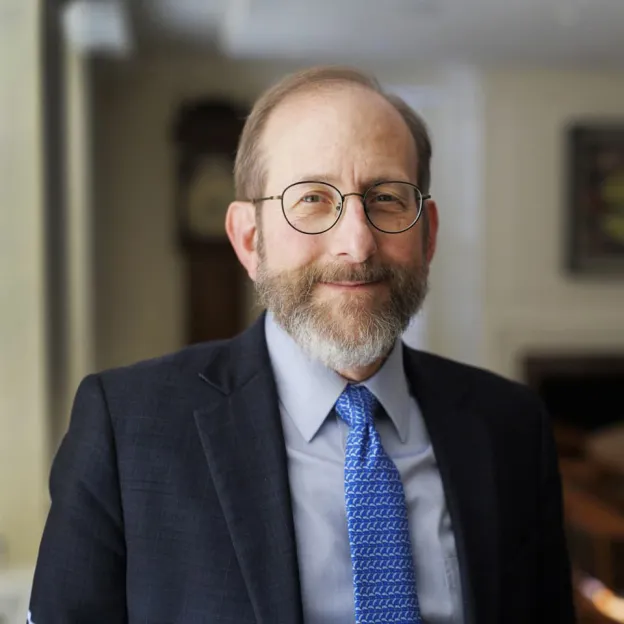
In the Harvard v. DHS (International Students Case), she ruled against the Trump administration's attempt to revoke Harvard's SEVP certification and bar international students. Burroughs issued a restraining order and later a preliminary injunction blocking the government's actions. Trump had sought to bar international students to pressure Harvard to safeguard Jewish students on campus and acknowledge that the Harvard administration had failed in its mission. Harvard's own internal study on antisemitism, released in April 2025, was a sobering self-examination of how the university failed to protect Jewish and Israeli students—especially in the aftermath of Hamas's October 7, 2023, attack on Israel. The report was 311 pages long and accompanied by a public apology from Harvard President Alan Garber: "I am sorry for the moments when we failed to meet the high expectations we rightfully set for our community." The apology underscored the gap with Gerber’s lofty stated goal on Harvard’s website: “We believe in the value of knowledge, the power of teaching and research, and the ways that what we do here can benefit society.”
Mark Penn, a pollster and political strategist, criticized the ruling in a post on X, calling it “an outrageous decision that will never stand” and citing Harvard’s own report as evidence of long-standing discriminatory policies. Reacting to the latest pro-Harvard Burroughs decision, Liz Huston, a White House spokeswoman, said:
To any fair-minded observer, it is clear that Harvard University failed to protect its students from harassment and allowed discrimination to plague its campus for years. Harvard does not have a constitutional right to taxpayer dollars and remains ineligible for grants in the future. We will appeal this egregious decision, and we are confident we will ultimately prevail in our efforts to hold Harvard accountable.
Whether the appeal succeeds or not, one fact is clear: Judge Burroughs has once again placed herself firmly in Harvard’s corner, shielding the university even as the broader debate over accountability and fairness in higher education rages on.
📊 Market Mood — Friday, September 5, 2025
🟢 Futures Edge Higher: S&P and Nasdaq futures ticked up ahead of the U.S. jobs report, with markets positioning for a potential Fed rate cut later this month.
🟡 Payrolls in Focus: Nonfarm payrolls due at 8:30 ET are expected to show ~75K new jobs and unemployment edging up to 4.3%. A weak print would likely cement a September rate cut.
🟠 Cooling Labor Signs: Earlier data showed slower private hiring and rising jobless claims, reinforcing expectations that the Fed will prioritize employment support over inflation risks.
🟣 Broadcom Shines: Broadcom rallied 8% premarket on strong earnings, while Samsara jumped 10% and DocuSign gained nearly 8%, helping boost sentiment in tech.
⚪ Fed Path Clearer: Analysts say a September cut is “locked in,” with today’s payrolls more likely to influence expectations for the October and December meetings.
Market round-up in 5 minutes. We bring you up to speed. Subscribe to TIPP Insights for $99/year.
📅 Key Events Today
🟨 Friday, September 5
08:30 – Average Hourly Earnings (MoM) (Aug)
Key measure of wage growth.
08:30 – Nonfarm Payrolls (Aug)
Main jobs report, tracks employment growth.
08:30 – Unemployment Rate (Aug)
Overall jobless rate.