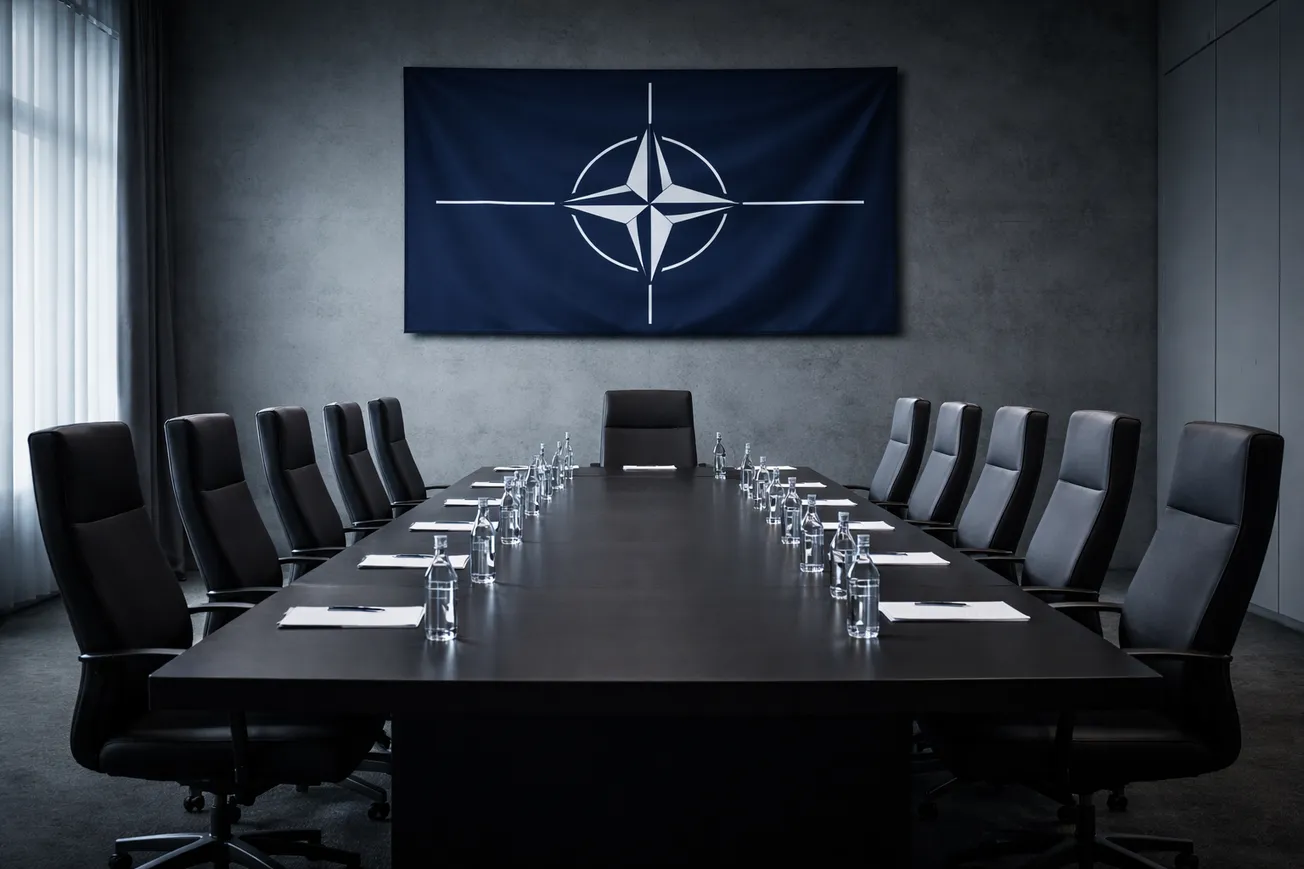
“We don’t have to be there for NATO.”
With that remark last week, President Donald Trump may have said out loud what has been quietly unfolding for years. The alliance still exists. The assumption behind it does not.
Recently, a TIPP Insights reader described NATO in his comments as “in hospice.” It sounds harsh, but it may not be far from the truth.
A year ago, we argued that NATO had outlived its purpose. Its mission has become increasingly unclear. Its expansion had become an end in itself. The Cold War is over. What has changed since then is not NATO’s structure, but its behavior. The alliance is still standing. But it no longer acts like one.
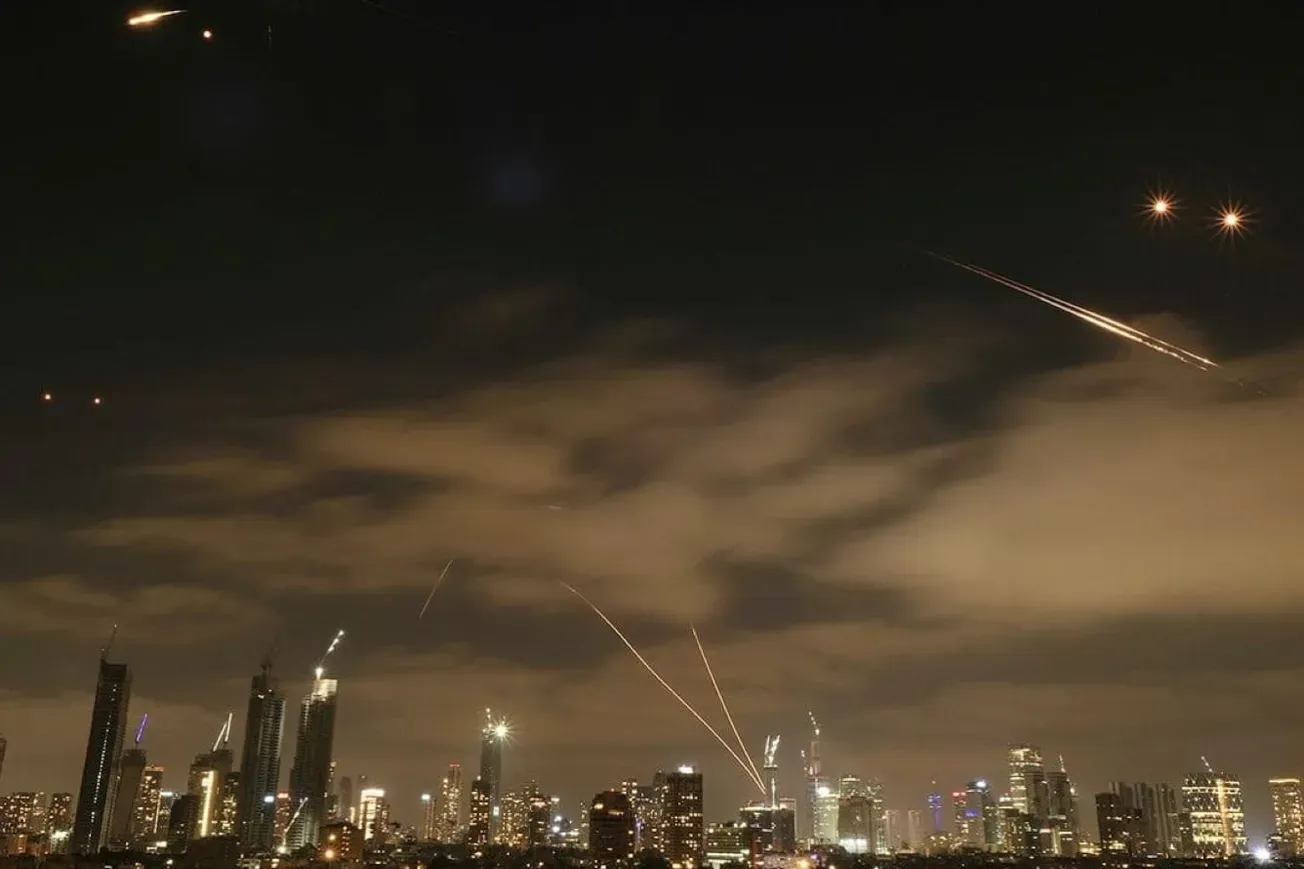
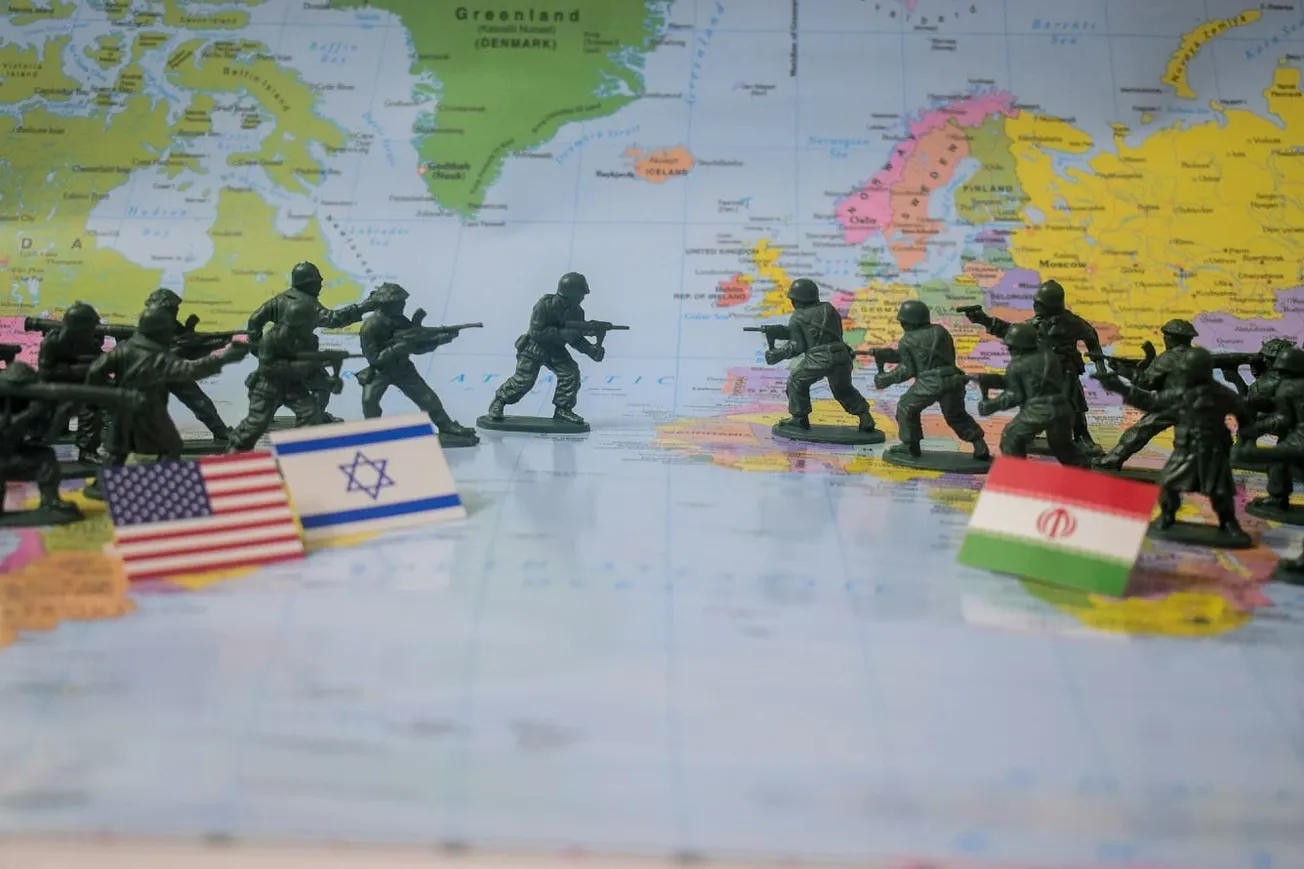
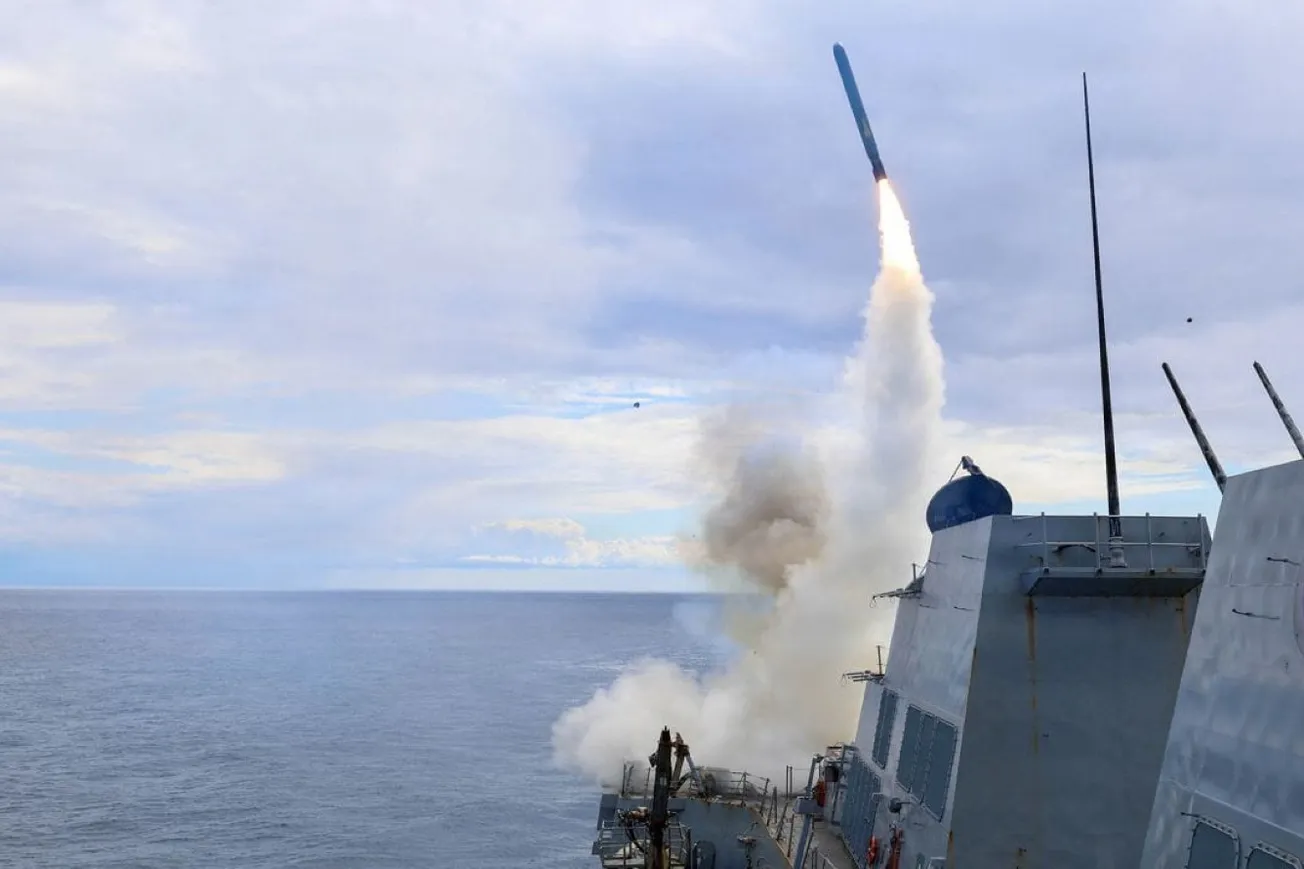
The latest rupture came over Iran. Washington expected support in securing the Strait of Hormuz after strikes on Iranian targets. Many European allies hesitated or refused outright, citing a lack of prior consultation and arguing that the operation fell outside NATO’s core defensive mandate. Some provided limited logistical or naval support through ad hoc coalitions. Others drew a firm line, insisting the conflict was not theirs to fight.
Know someone who should be reading TIPP Insights? Forward this email. Sponsor inquiries: editor-tippinsights@technometrica.com
This is where the fracture becomes clear. To Washington, alliance means reciprocal backing in moments of shared strategic interest. To Europe, it increasingly means discretion, choosing when to engage based on national priorities. Those are not small differences. They go to the heart of what NATO is supposed to be.
The tension has begun to surface in direct exchanges. At a recent G7 meeting, Secretary of State Marco Rubio pushed back when European officials urged a tougher U.S. posture on Russia, responding in effect that if others believed they could do better, they were free to step forward. The exchange underscored a growing impatience in Washington with allies who demand more while contributing less.
There is also a growing sense in Washington that the imbalance within the alliance has been tolerated for too long. For years, the United States has carried a disproportionate share of NATO’s defense burden while many European members underinvested in their own capabilities. At the same time, some of these same governments have been quick to lecture the United States on strategy and values, even as they decline to support American-led actions they consider outside NATO’s scope. The tensions surrounding U.S. interest in Greenland, and the sharp reactions it drew from European capitals, underscored a deeper strain. An alliance cannot function smoothly when one side bears more of the cost while the other questions its judgment.
At the center of the alliance is Article 5, the principle that an attack on one is an attack on all. It has long been understood as a firm commitment, not something to be debated each time a crisis arises.
That assumption is now in doubt.
When a U.S. president openly suggests that America may not “have to be there,” the alliance shifts. What was once a firm commitment begins to look conditional. What was once a shared obligation starts to resemble a transaction.
“Why would we be there for them if they’re not there for us?” Trump asked.
It is a fair question. It is also a destabilizing one.
NATO was never designed for collective agreement on every global conflict. It was built for collective defense against a clear, shared threat, originally the Soviet Union, more recently a revanchist Russia threatening Europe. Terrorism, hybrid attacks, and disruptions in key sea lanes like the Strait of Hormuz, and great power competition in Asia all entered the picture. Interests are less aligned. Willingness to act is uneven.
Further, there is the question of proactive defensive action. Iran possesses missile capabilities that can reach beyond the immediate region, and recent strikes have underscored how far its reach may extend. It has also demonstrated the ability to threaten key strategic assets, including Diego Garcia.
The stakes go well beyond regional politics. A significant share of the world’s oil passes through the Strait of Hormuz, a chokepoint Iran has repeatedly threatened and, in recent weeks, effectively disrupted. Roughly one-fifth of global oil supply moves through these waters, making any sustained disruption a global economic event.
For decades, Iran and its network of proxies have harassed shipping, targeted infrastructure, and tested the limits of international response. From this perspective, actions taken to secure maritime routes or degrade missile capabilities can be framed not as adventurism, but as preemptive defense of global stability.
An alliance that cannot agree on what constitutes a common threat or when to act beyond strict territorial defense will struggle when one emerges. Not because it lacks capability, but because it lacks consensus.
This tension persists even as allies made progress at the 2025 Hague Summit, committing to raise spending toward 5 percent of GDP by 2035, with at least 3.5 percent on core defense requirements. European defense budgets have risen steadily since 2014. Yet many allies still lack the ammunition, transport, and intelligence needed for sustained operations, and the alliance weakens when the United States acts, and others do not.
Alliances rarely fail on paper. They fail in expectation and action.
If members begin to doubt whether others will respond, whether to a Russian escalation in Ukraine or a Middle East crisis that affects global energy, the alliance weakens long before any treaty is broken. Deterrence depends not just on spending or hardware, but on belief. Once that belief erodes, the structure may remain, but its purpose fades.
There is also a deeper question, one that has been largely set aside for decades. NATO was not inevitable. It was a choice, a decision by the United States to remain permanently engaged in European security, breaking from America’s traditional avoidance of such entanglements. That commitment held through the Cold War, when the threat was clear and immediate. It is far less certain in a multipolar world where risks are complex and span multiple theaters.
What we are seeing now is not a sudden collapse, but a gradual realignment. The United States is rethinking the scope of its obligations. Europe is redefining the limits of its participation, pursuing greater strategic autonomy even as it increases spending under pressure. Neither side is saying it outright. But both are acting on it.
The result is an alliance that persists, but no longer coheres.
NATO is not dead. It still has structure, funding, history, and mechanisms for coordination. It still convenes, plans, and signals unity when interests overlap.
But like a patient in hospice, it is no longer expected to recover. Only to endure, with conditional support and managed expectations.
The question is no longer whether NATO will survive. It is whether anyone still believes in what it promises.
editor-tippinsights@technometrica.com