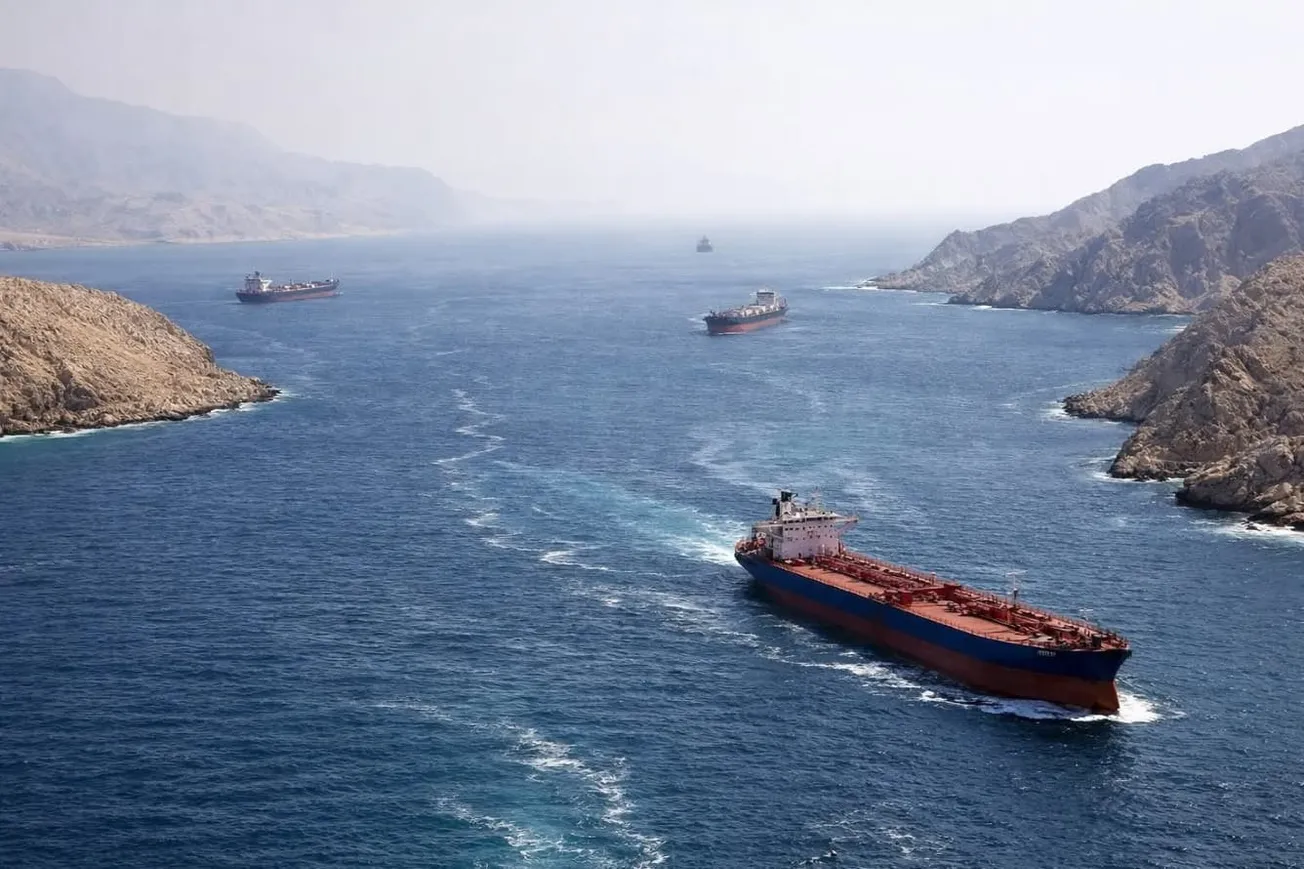
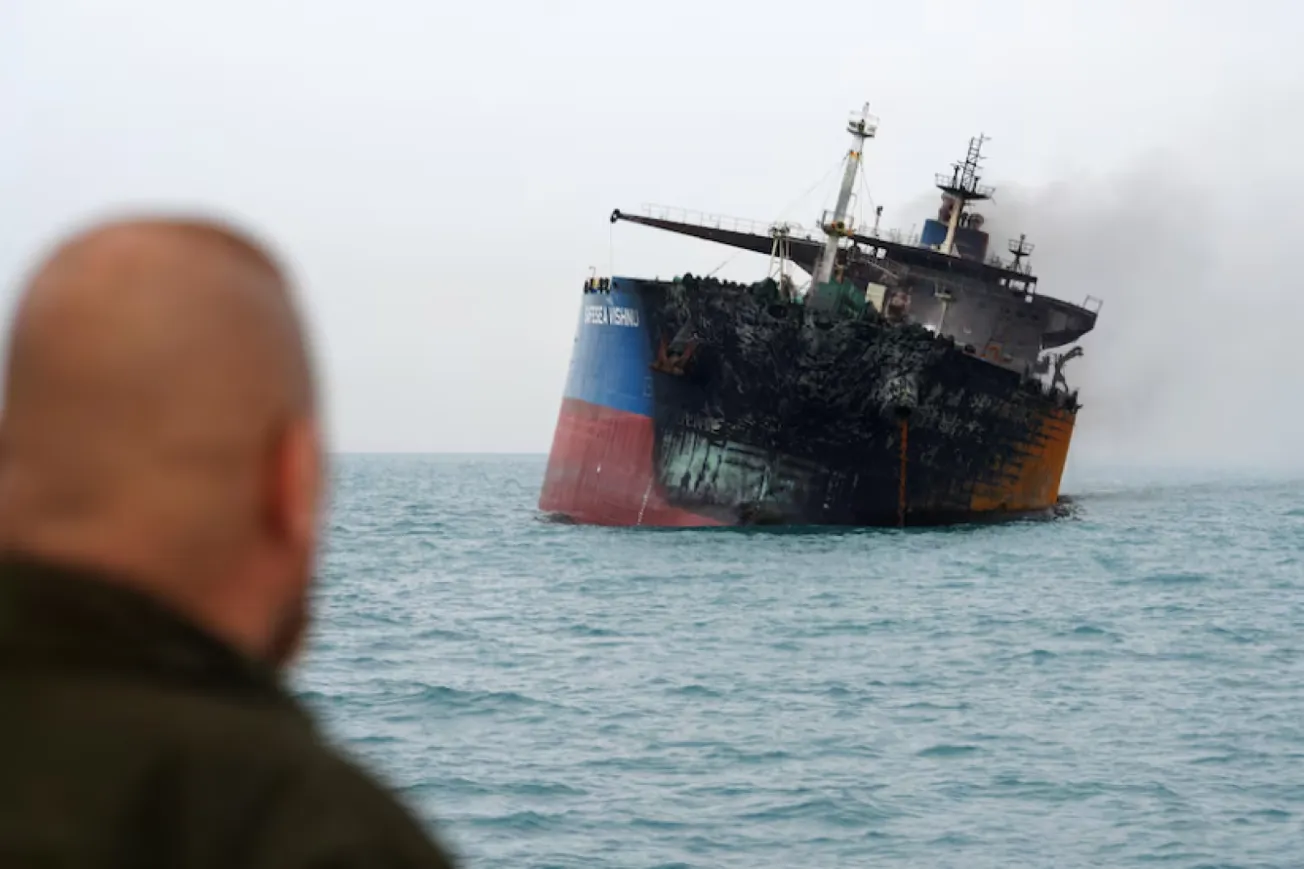
The U.S. is analyzing how to protect shipping in the Strait of Hormuz, through which around 20% of the world’s oil and gas travel, after three cargo vessels were hit by missiles and 16 Iranian minelayers were destroyed.
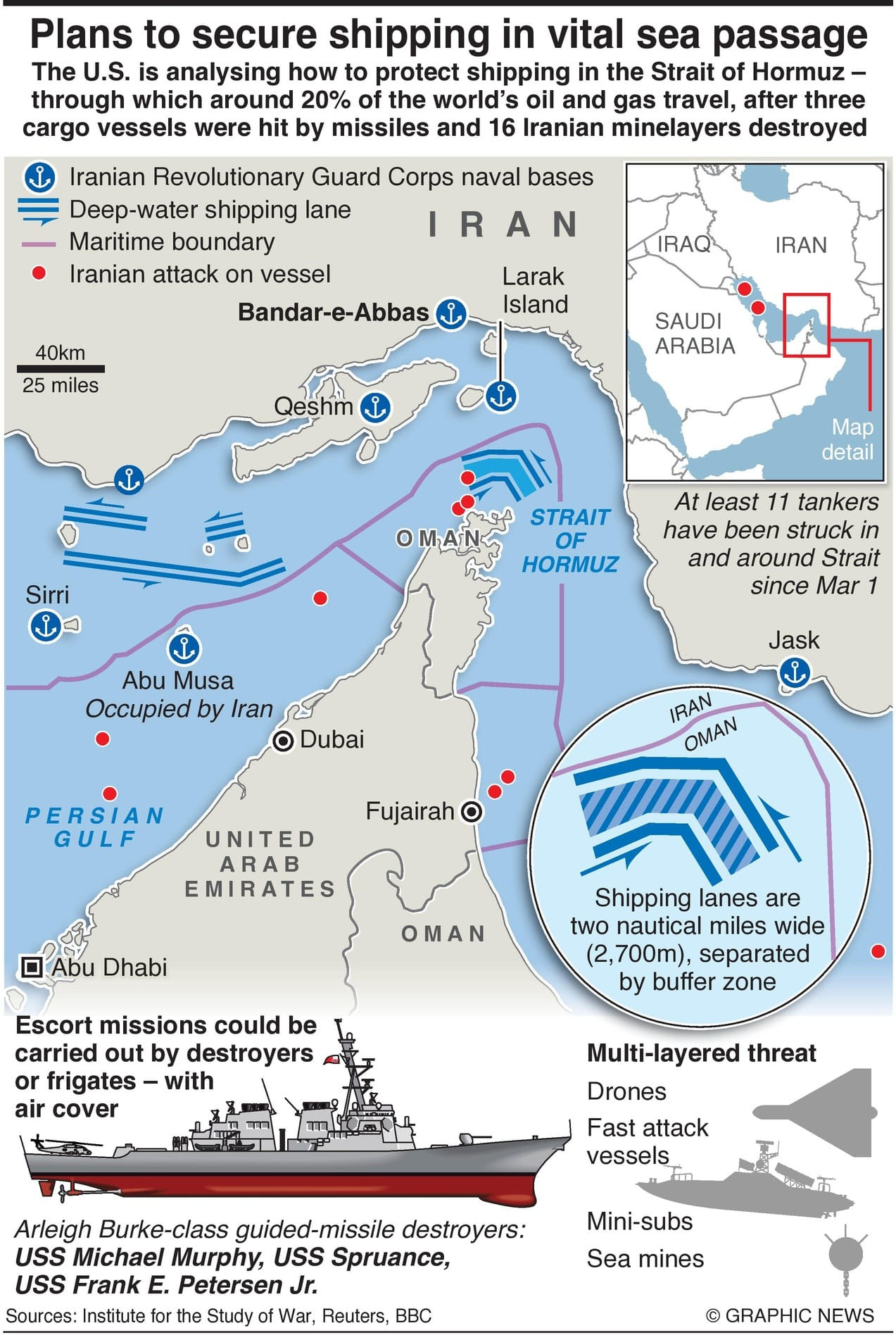
The U.S. is analyzing how to protect shipping in the Strait of Hormuz, through which around 20% of the world’s oil and gas travel, after three cargo vessels were hit by missiles and 16 Iranian minelayers were destroyed.
At least 11 tankers have been attacked by Iranian projectiles in and around the Strait since March 1, forcing traffic to a virtual standstill with a 97% drop-off since the U.S.-Israeli war on Iran began. Tehran has warned that it would "set fire" to any vessels attempting to pass through the strategic choke point.
The Strait is under 50km wide at its entrance, and barely 33km at the narrowest point, but deep enough for the world’s largest tankers to traverse. However, it is overlooked by mountainous terrain and islands on the Iranian side, making it very difficult to defend. Moreover, the Iranian threat is multi-layered with drones and missiles from the air, fast-attack vessels on the surface – despite the near destruction of most of the Iranian navy – and mini-submarines and mines below the water.