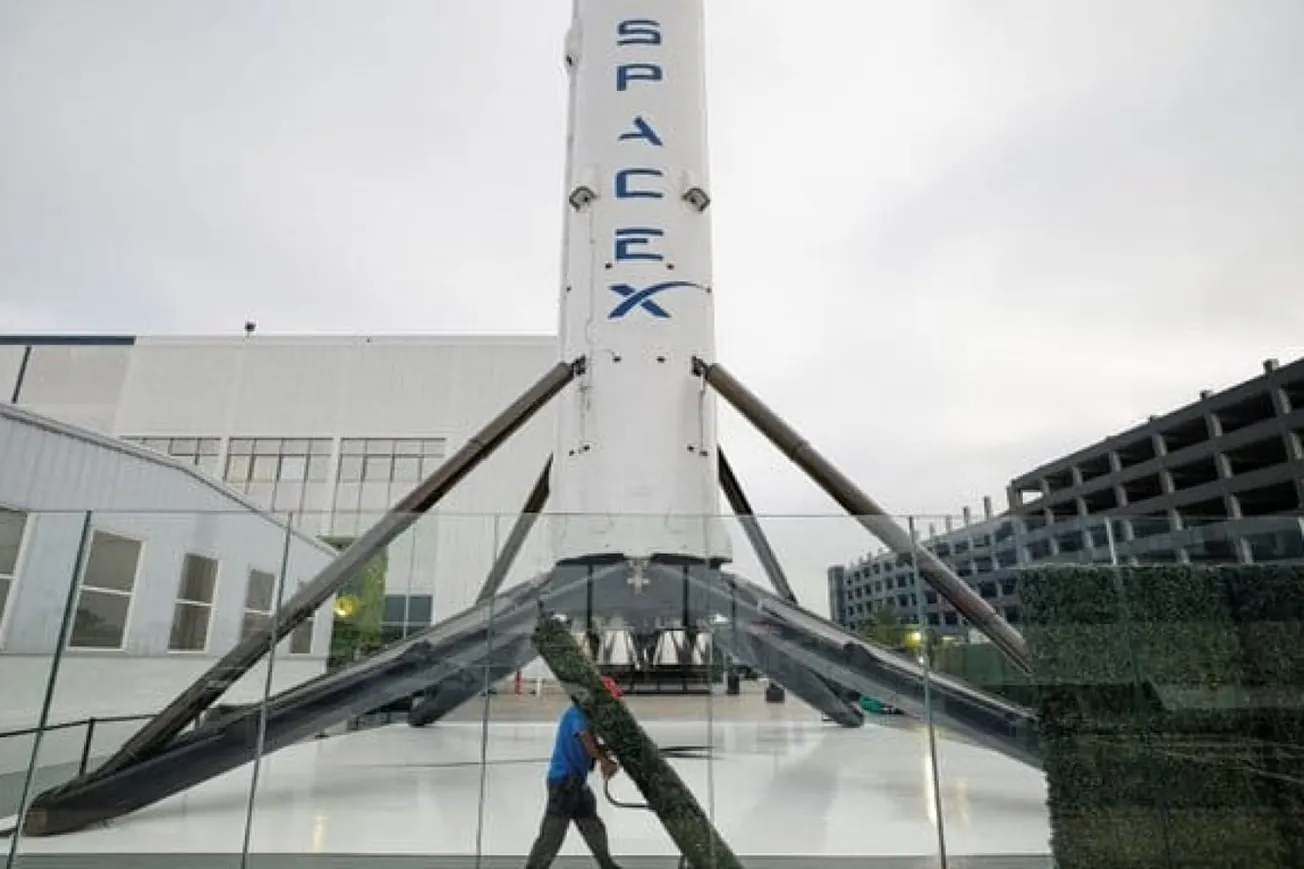
SpaceX has agreed to acquire Grain Management’s nationwide 800 MHz spectrum portfolio, expanding Elon Musk’s ambitions to compete with established U.S. wireless carriers.
The deal could strengthen Starlink Mobile’s ability to provide cellular connectivity directly from satellites, potentially reducing reliance on traditional ground-based infrastructure. Low-band frequencies are valuable because they can penetrate buildings and pass through obstacles such as trees, complementing the mid-band spectrum already used by Starlink Mobile.
Shares of T-Mobile, Verizon and AT&T fell more than 5% in extended trading on Thursday as investors assessed the prospect of increased competition and a potential price war.
The acquisition could reshape competition in the wireless market, although SpaceX’s ability to challenge established carriers will depend on network performance, regulatory approvals and the rollout of its services.
Related Tweet:
SpaceX deal to acquire spectrum license hammers shares of AT&T, Verizon and T-Mobile https://t.co/GmJ81h7P09
— CNBC (@CNBC) October 8, 2026
Also Read:
 TIPP Staff