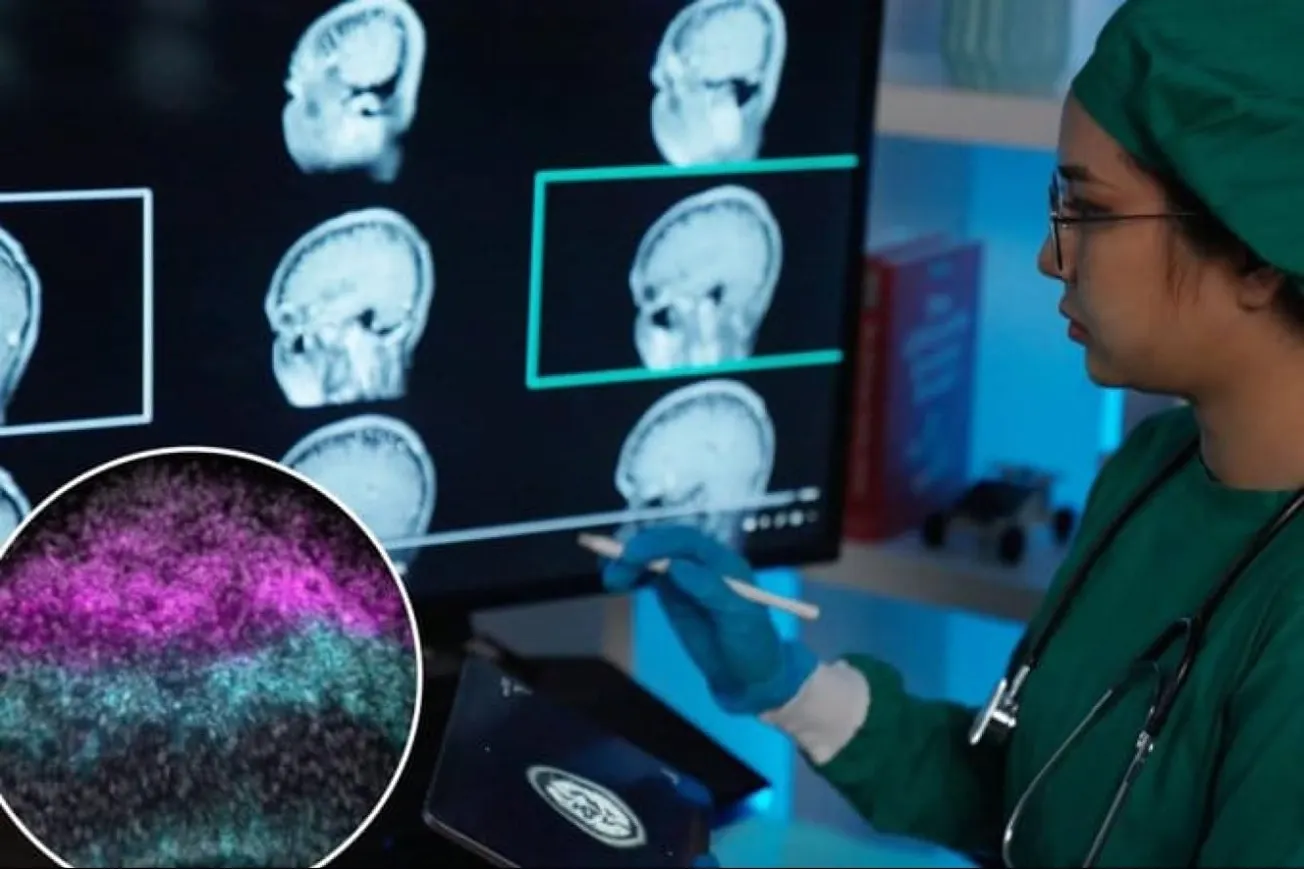
Researchers at Stanford Medicine say they have uncovered evidence that the human brain developed from two distinct cellular origins rather than from a single developmental source.
Their findings indicate that the forebrain and hindbrain follow separate developmental pathways during embryonic formation, challenging a long-standing understanding of how the brain develops.
Scientists say the discovery could improve laboratory models of brain development by allowing researchers to study the two regions more accurately in cell cultures.
This could eventually support research into neurological disorders, including diseases such as ALS and spinal muscular atrophy. Evolutionary analysis suggests the two brain regions can be traced to a distant common ancestor more than 500 million years ago, offering a new perspective on the evolution and development of the human brain.
Related Tweet:
Your brain is actually two organs, new study finds - and it could change how we treat deadly diseases https://t.co/MHVNizuT0G pic.twitter.com/B6OULIbKue
— New York Post (@nypost) September 18, 2026
Also Read:
 TIPP Staff