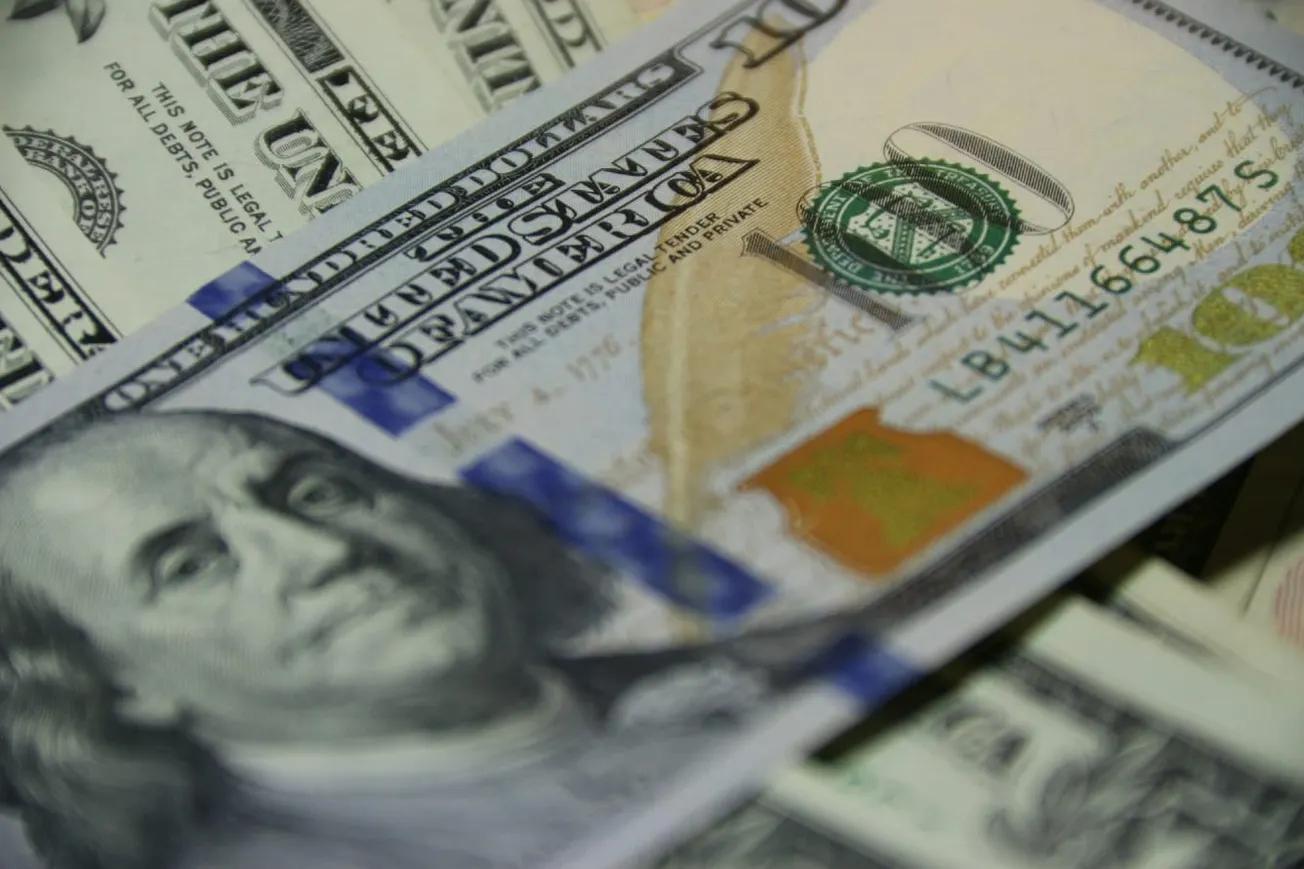
Treasury Yields Ease Ahead Of Fresh Federal Reserve Comments
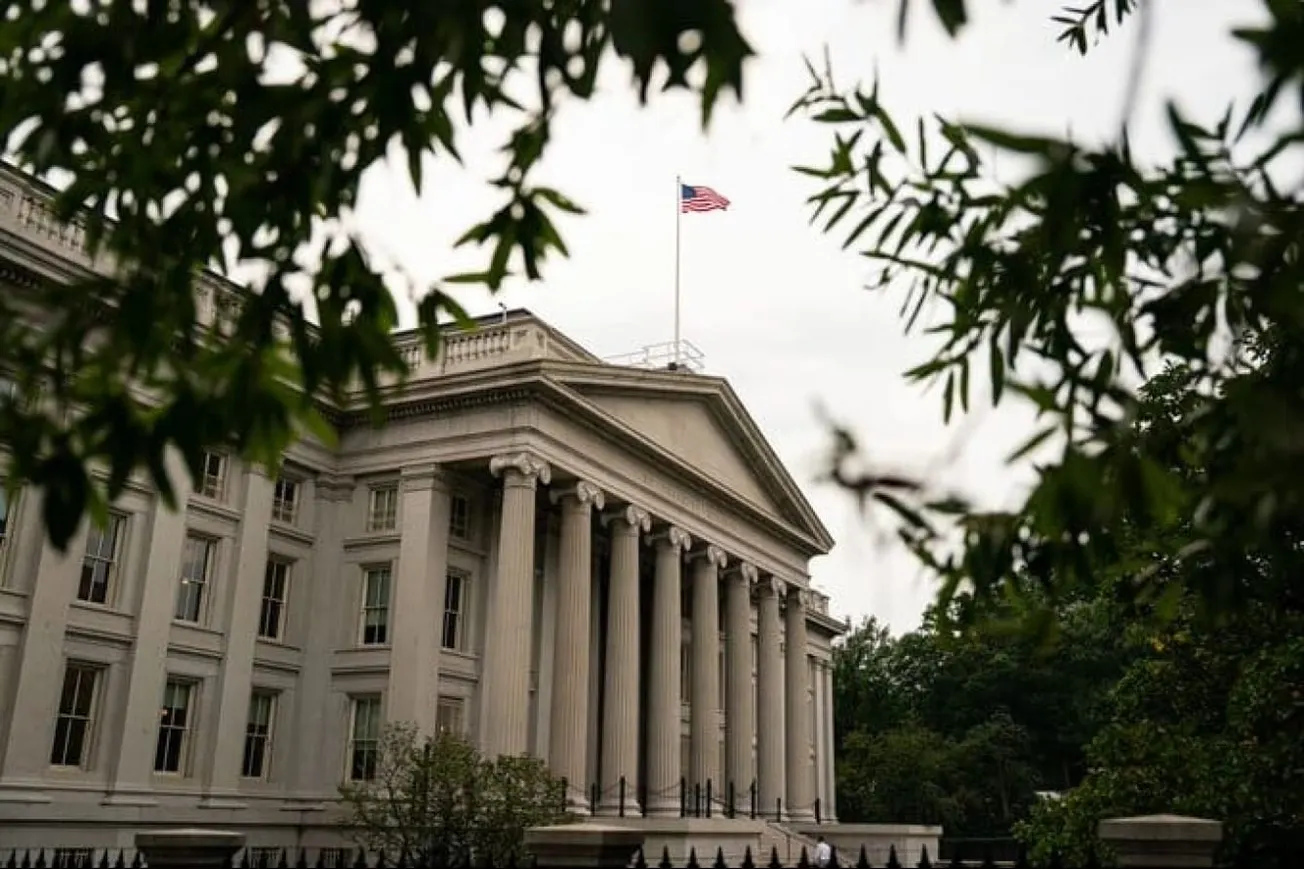
Fed Vice Chair Philip Jefferson was scheduled to speak at a New York Fed Treasury conference
Moody’s, Morgan Stanley, and the New York Fed agree on the shape of the thing: the economy has split in two
Consulting firm Starling Advisory Group conducted the review, which goes further than a 2023 internal assessment led by former Fed supervisory chief Michael Barr
By the end of that year, however, price inflation was near 40-year highs. But he had to insist that it was all no big deal.
After a much longer time lag, the increase in the growth rate of the money supply will exert an upward pressure on the prices of goods and services.
The colonists had a long history with paper money. They had been inflating since the 1690s and had all but driven silver specie out of circulation.
Federal officials have indicated that another rate increase could come before the end of the year, potentially taking rates as high as 4.5%.
Expectations have shifted sharply from a month ago, when markets saw only a 36% chance of a hike.
The Austrian School of economics, particularly through the work of Ludwig von Mises and Murray Rothbard, emphasizes that prosperity emerges not from state management but from private property, voluntary exchange, entrepreneurship, and sound money.
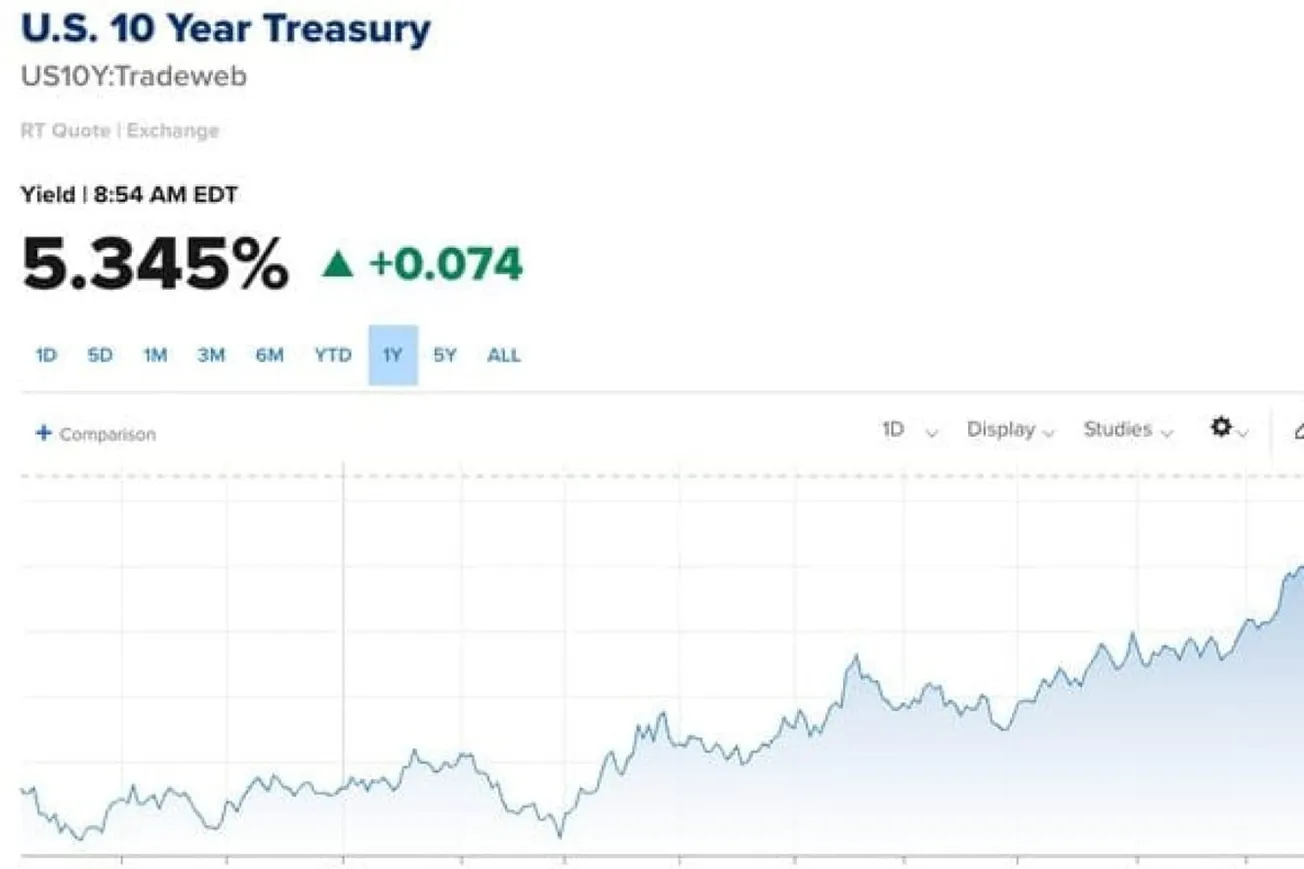
The benchmark yield reached 5.014% before retreating to about 4.947%.
The Consumer Price Index increased 0.4% for the month and 3.4% from a year earlier, matching forecasts
The benchmark 10-year Treasury yield was little changed near 4.94%, while the 30-year yield held around 5.36%
During the first twenty-four years, net saving varied between ten percent to fifteen percent of NNP, while the federal budget was close to being balanced.
Moreover, measured month-to-month, the money supply has increased during 11 of the past 12 months.
Some investors had expected a larger buyback, possibly reaching $7 billion to $8 billion
Government monetary policy is fundamentally a moral issue because central banks disrupt the core principles of voluntary exchange, private property rights, and natural law.