
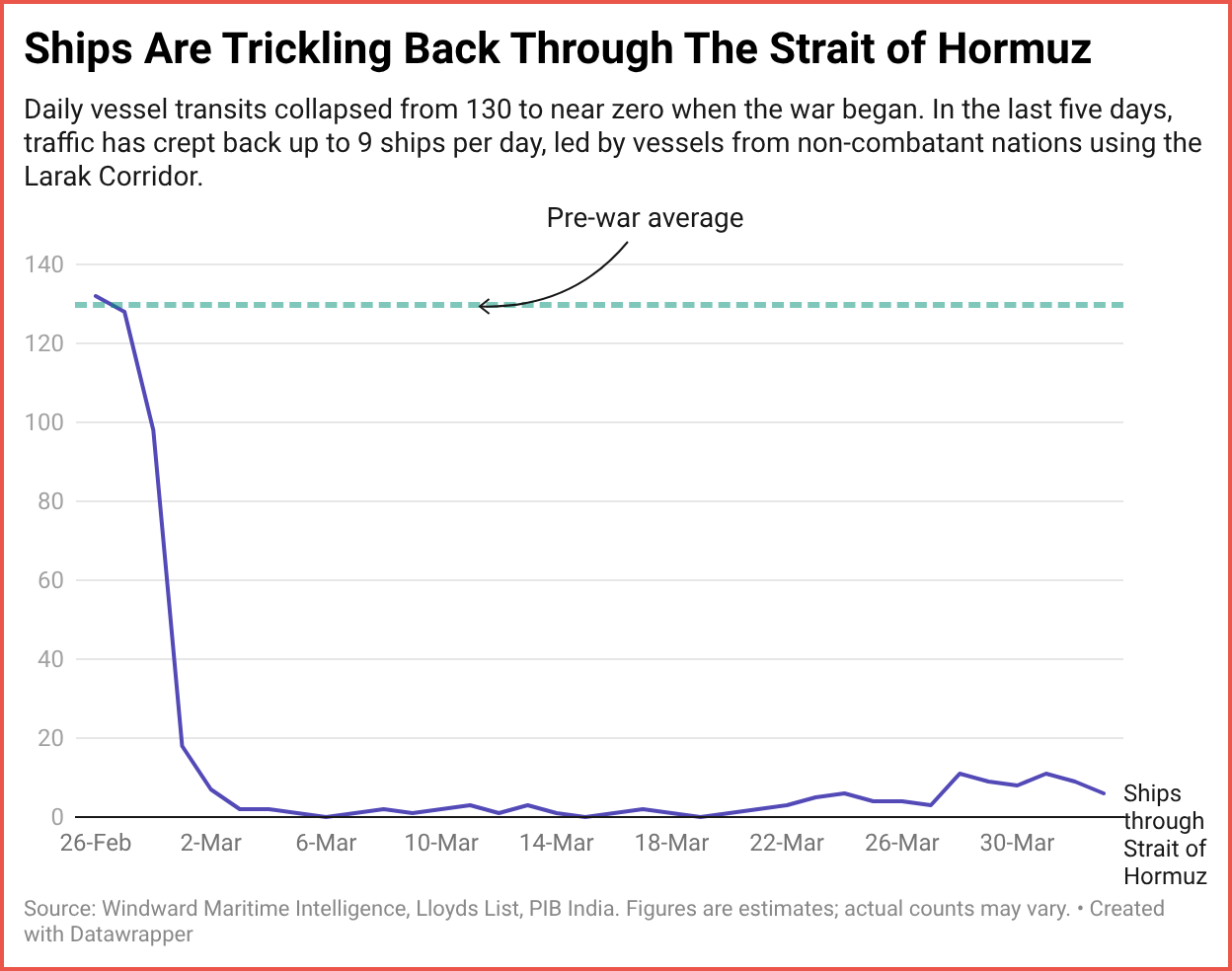
As this newsletter reaches readers this Monday morning, the clock is ticking on the latest deadline to reopen the Strait of Hormuz. At 8 p.m. Eastern on April 7, the extension expires after multiple delays, including a 10-day pause announced in late March and subsequent sharper warnings. Iran has not complied. Mines, anti-ship missiles, armed fast boats, and IRGC forces remain positioned, keeping traffic through the Strait heavily throttled.
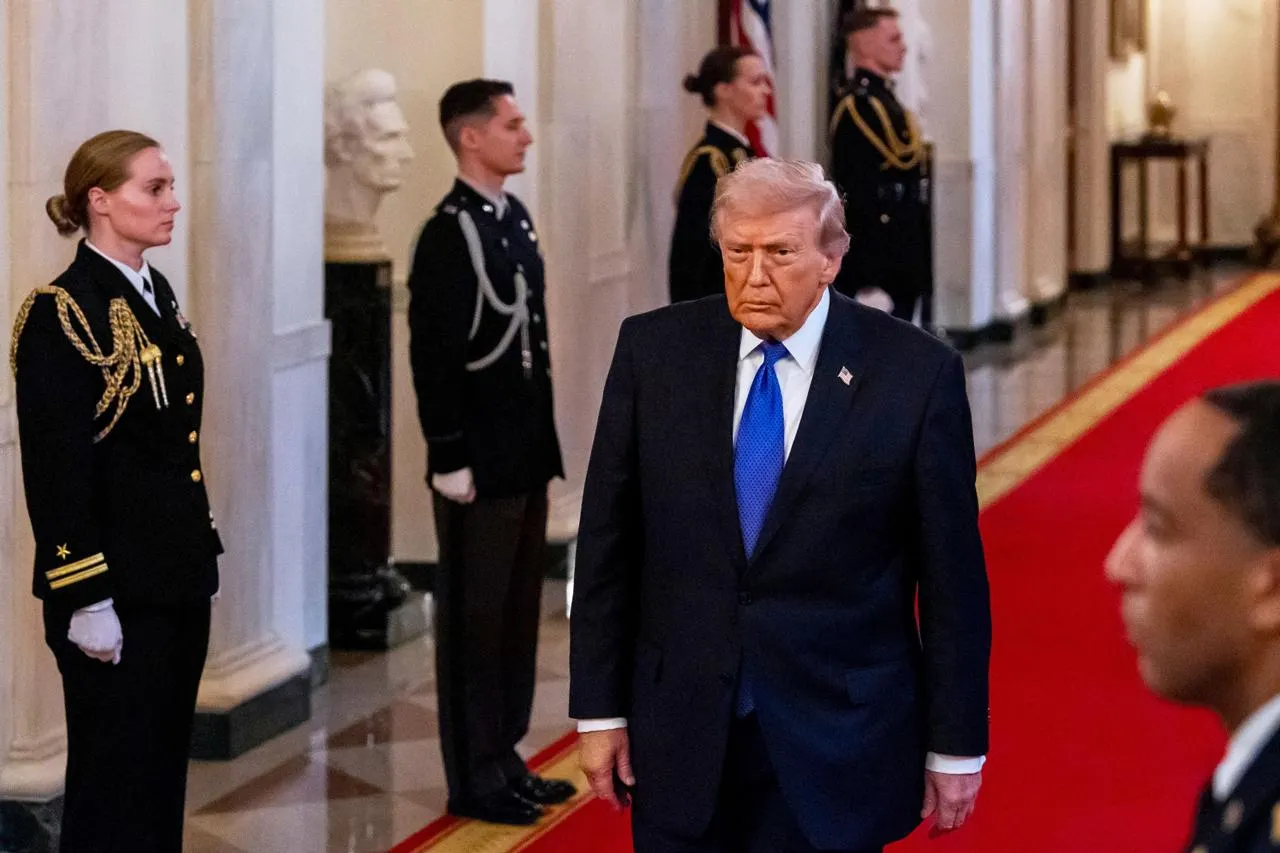
The series of extensions from President Donald Trump has come with sharper threats, not concessions; from 48-hour ultimatums to public threats to strike power plants and bridges. The direction remains clear. Inaction would damage U.S. credibility far beyond the Gulf.
The question is no longer whether the United States will follow through, but where American power will matter most. President Trump’s repeated public commitments have put deterrence on the line. Military action of some form now appears inevitable if the Strait remains closed.
The extensions are not a sign of patience. They are a countdown. They buy time for last-minute compliance. Simultaneously, they signal that failure will bring consequences. The urgent question is how to use force without starting a bigger war.
Targeting options are under active discussion. Precision strikes on power plants and refineries could plunge cities into darkness and squeeze the regime’s finances. But those blows alone may not be enough unless the naval and coastal forces enforcing the Strait’s closure are also hit. A broader campaign, taking out air defenses, command centers, and IRGC coastal forces, could reopen shipping lanes faster but risks retaliation against Gulf oil facilities or American positions.
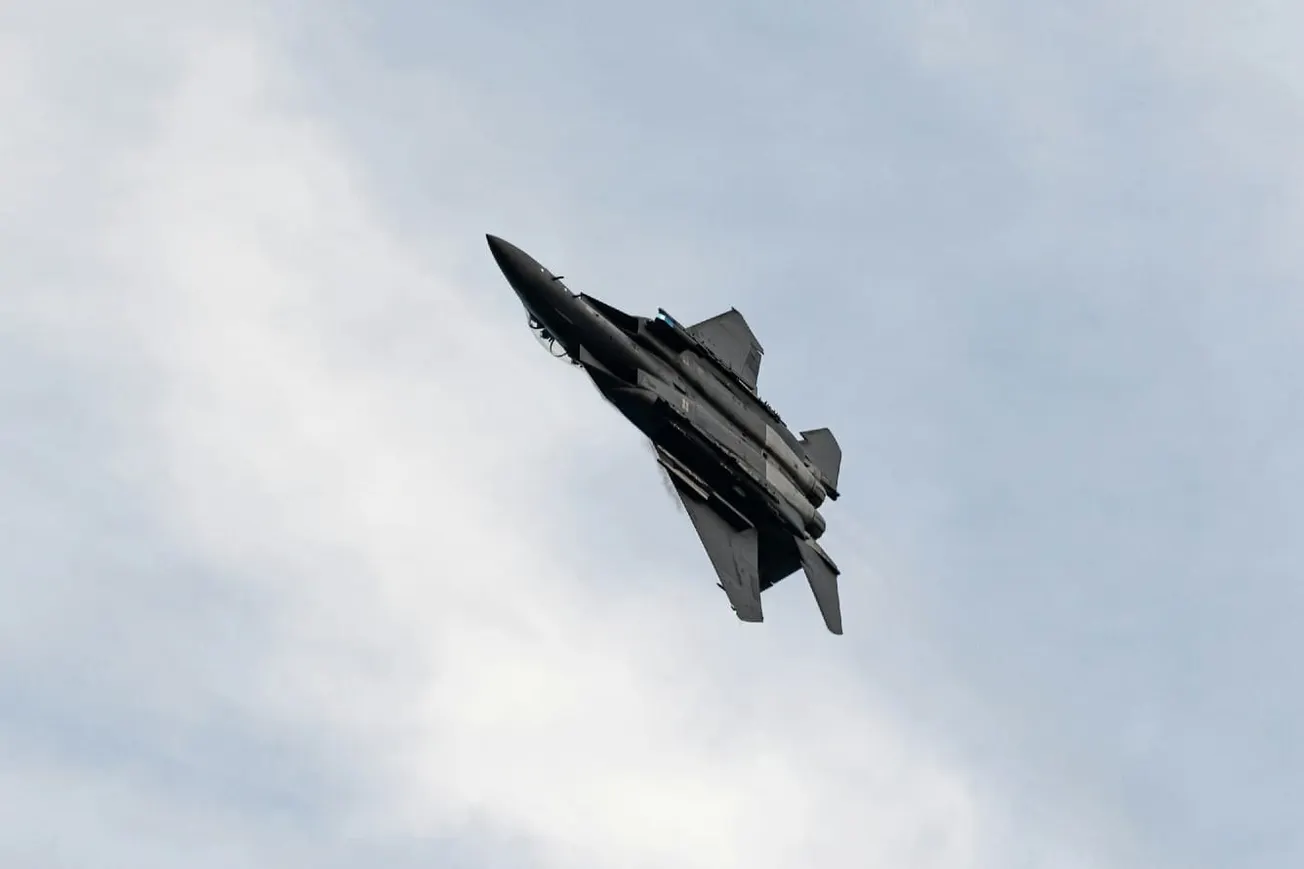
The naval dimension will be decisive, but airpower alone cannot reopen the Strait. Mines must be swept under fire, commercial shipping protected, and control of key waters reestablished. That job falls to the U.S. Navy, possibly with allied support.
Even in these final hours, back-channel diplomacy continues. Pakistan, Turkey, Egypt, and Oman have all carried messages or frameworks between Washington and Tehran. None of this has produced a deal, but it keeps a door open. Iran’s foreign minister has confirmed exchanges but says they fall short of formal negotiations. If Iran reopens even part of the Strait with real guarantees, that could limit what comes next.
Tehran, for its part, has turned the partial closure into a de facto toll system, granting exemptions to allies like Iraq while extracting higher oil revenues amid the disruption. Iran has warned of total closure and retaliation if its energy sites are hit, and they are not bluffing.
What gets hit will matter for a long time. Too narrow an operation, and Iran fights back through proxies and unconventional attacks for months. The goal is to apply enough force, precise enough to reopen shipping and make Iran think twice before trying this again.
Within days, the first indications of America’s chosen targets will emerge. Those decisions will determine whether the current military operation stays a fight over oil or becomes something bigger.
President Donald Trump leads the free world in this moment. The Islamic Revolutionary Guard Corps should not underestimate what the United States is prepared to do. Seizing the Strait and choking off global commerce will not go unanswered. It is a direct challenge, and it will be dealt with.
If the deadline passes without a resolution, the real test will begin. Where the strikes will land, what they will destroy, and what will be changed forever, no one knows. But the world can ill afford another Gulf war that hits at the nerve of the global economy – oil and gas.
📊 Market Mood — Monday, April 6, 2026
🟩 Stocks Rise as Ceasefire Framework Emerges
U.S. futures edged higher on reports of a potential deal to halt fighting and reopen the Strait of Hormuz.
🟧 Oil Swings on Conflicting War Signals
Crude whipsawed as ceasefire hopes clashed with ongoing strikes and fresh ultimatums.
🟦 Markets Navigate Rapidly Shifting Headlines
Investor sentiment remained fragile amid fast-changing developments and mixed signals on negotiations.
🟨 Geopolitical Risk Keeps Volatility Elevated
Escalating attacks alongside diplomacy efforts are sustaining uncertainty across global markets.
🗓️ Key Economic Events — Monday, April 6, 2026
🟧 10:00 ET — ISM Non-Manufacturing PMI (Mar)
Measures activity in the services sector, a key driver of U.S. economic growth.
🟧 10:00 ET — ISM Non-Manufacturing Prices (Mar)
Tracks price pressures within the services sector, offering insight into inflation trends.
editor-tippinsights@technometrica.com