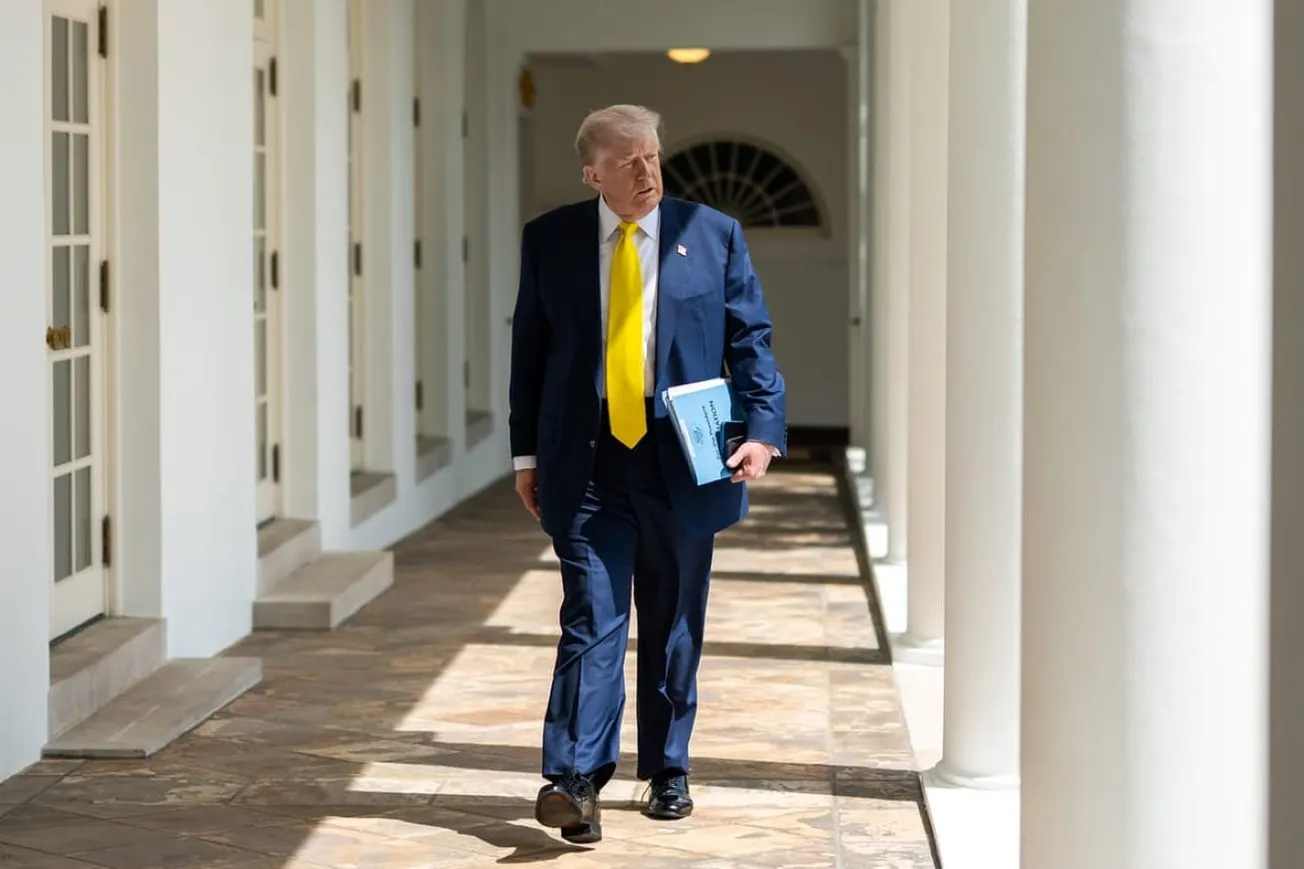

President Donald Trump’s address to the nation last night was more than a war update. It was a defining moment that clearly laid out Washington’s endgame in the Iran conflict.
Trump did something rarely seen in modern wartime messaging. He spelled out measurable progress. As claimed by the administration, Iran’s ballistic missile program has been effectively dismantled, removing threats not just to Europe and regional allies but to the United States as well. Tehran’s nuclear ambitions have been decisively set back. Its ability to finance and project terrorism has been severely degraded.
He went further, using stark and unmistakable language. “Iran’s navy is gone. Its air force is in ruins.” Its missile and command structures are being dismantled. After just 32 days of operations, according to the President, the regime was “eviscerated” and “essentially no longer a threat.”
Critically, he put a firm timeline on it. “Tonight, I’m pleased to say that these core strategic objectives are nearing completion.” The final phase, he said, would unfold over the next two to three weeks.
The tone was firm yet strategic.
Trump offered Iran a final diplomatic off-ramp while making the consequences of refusal crystal clear. “We are on track to complete all of America’s military objectives shortly. Very shortly.” But if no deal is reached, “We’re going to hit them extremely hard over the next two to three weeks,” he warned, adding that the goal would be to “bring them back to the stone ages, where they belong.”
The message was unmistakable. Comply or face total destruction.
That mix of pressure and a clear exit is what sets this speech apart. It projects American strength without signaling an open-ended war.
Equally important was the delivery. Trump was direct, transparent, and resolute. He described in plain terms the damage inflicted on Iran’s military infrastructure while reassuring Americans that energy security remains intact. “America has plenty,” he emphasized, framing any near-term disruption as temporary and manageable. He also signaled that the United States is not seeking open-ended regime change as a formal objective, while urging other nations to take greater responsibility for securing critical oil routes.
It was a speech meant to steady markets and reassure the public.
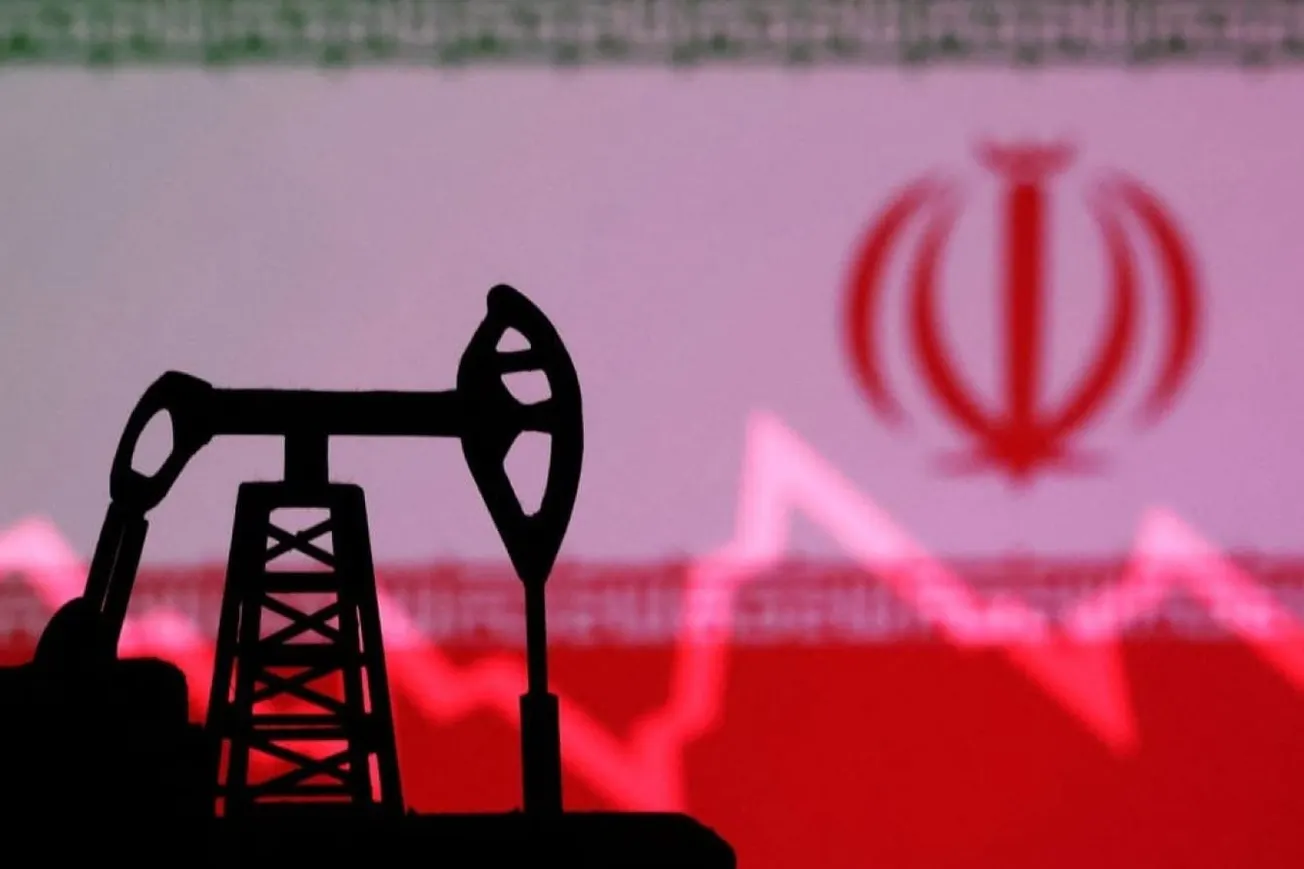
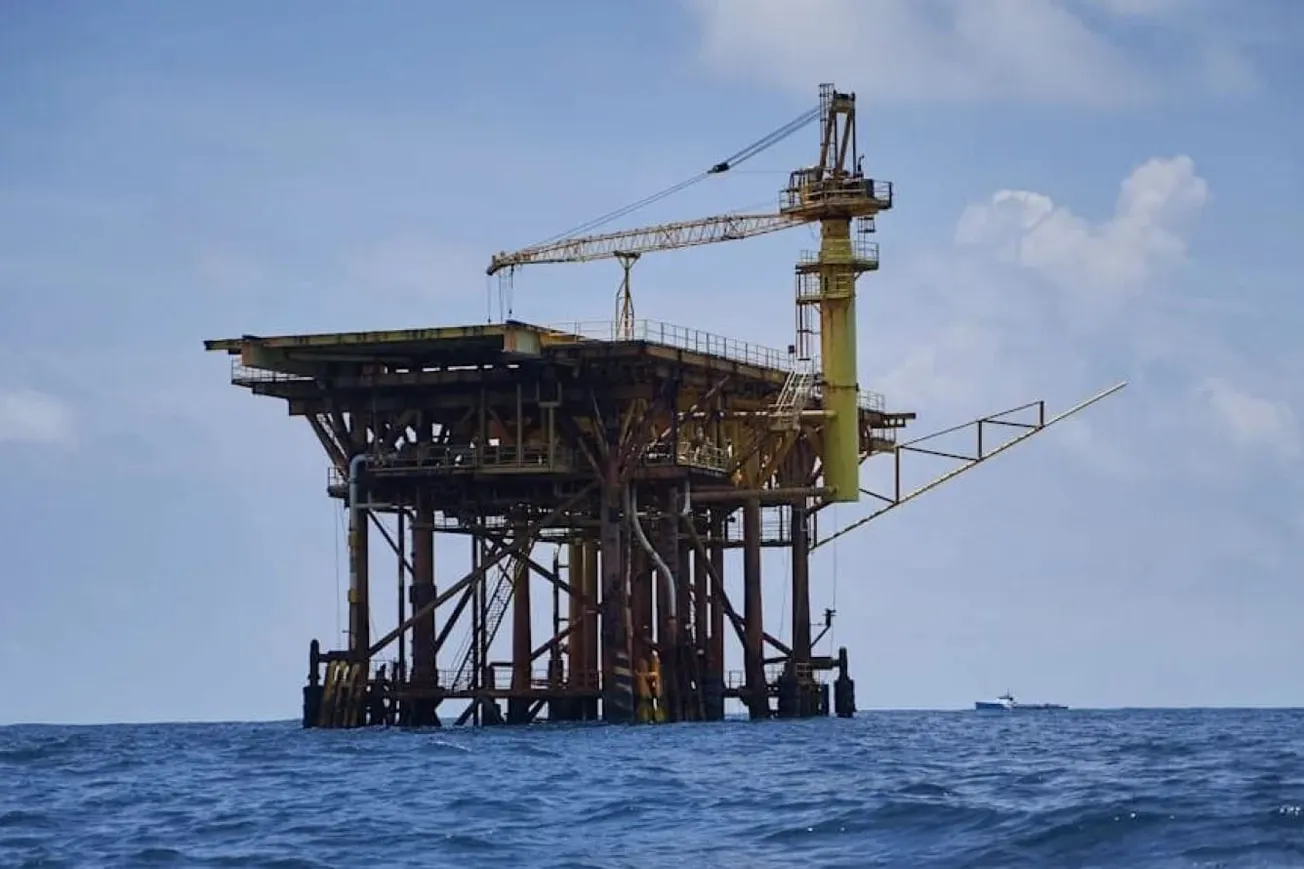
Markets, however, showed some initial unease. Stocks fell, and oil prices pushed back above $100 following the address, underscoring the gap between Washington's strategic confidence and near-term uncertainty in global markets. Much of that uncertainty centers on the Strait of Hormuz, where tanker traffic remains sharply constrained, keeping pressure on global energy flows.
There was no ambiguity or hedging in the President’s words, and no sense that this would become an open-ended conflict.
Instead, Trump presented a straightforward doctrine. Neutralize the threat. Define the timeline. Avoid endless war.
He reinforced that point by putting the conflict in historical context. While past wars stretched for years or even decades, this campaign has unfolded over just 32 days, with a clear end in sight. This, he implied, is what decisive, time-bound America First leadership looks like.
The United States, he argued, is close to finishing the job.
Iran now faces a choice: step back and accept terms, or absorb the full weight of what comes next.
When it is over, Trump said, the United States will emerge “safer, stronger, more prosperous and greater than it has ever been before.”
Watch the full address here — Official White House video of President Trump’s April 1, 2026 address to the nation.
👉 Show & Tell 🔥 The Signals
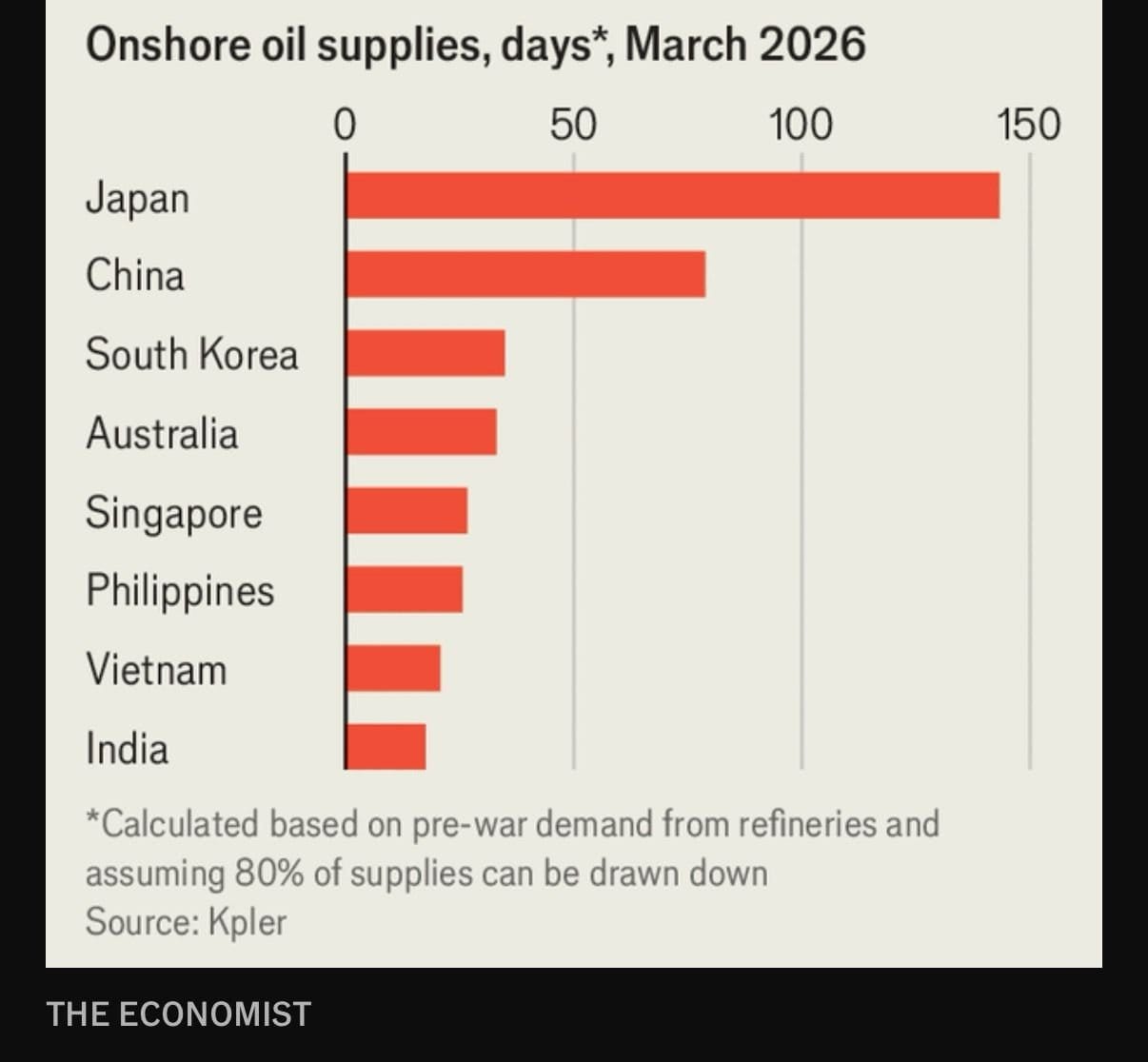
I. Asia’s Oil Clock Is Now Ticking
With the Strait of Hormuz effectively shut, Asia is drawing down limited oil reserves. India has about 20 days of supply, Vietnam ~25, and the Philippines ~30, while larger buffers in China (~85 days) and Japan (~145 days) offer only temporary relief.
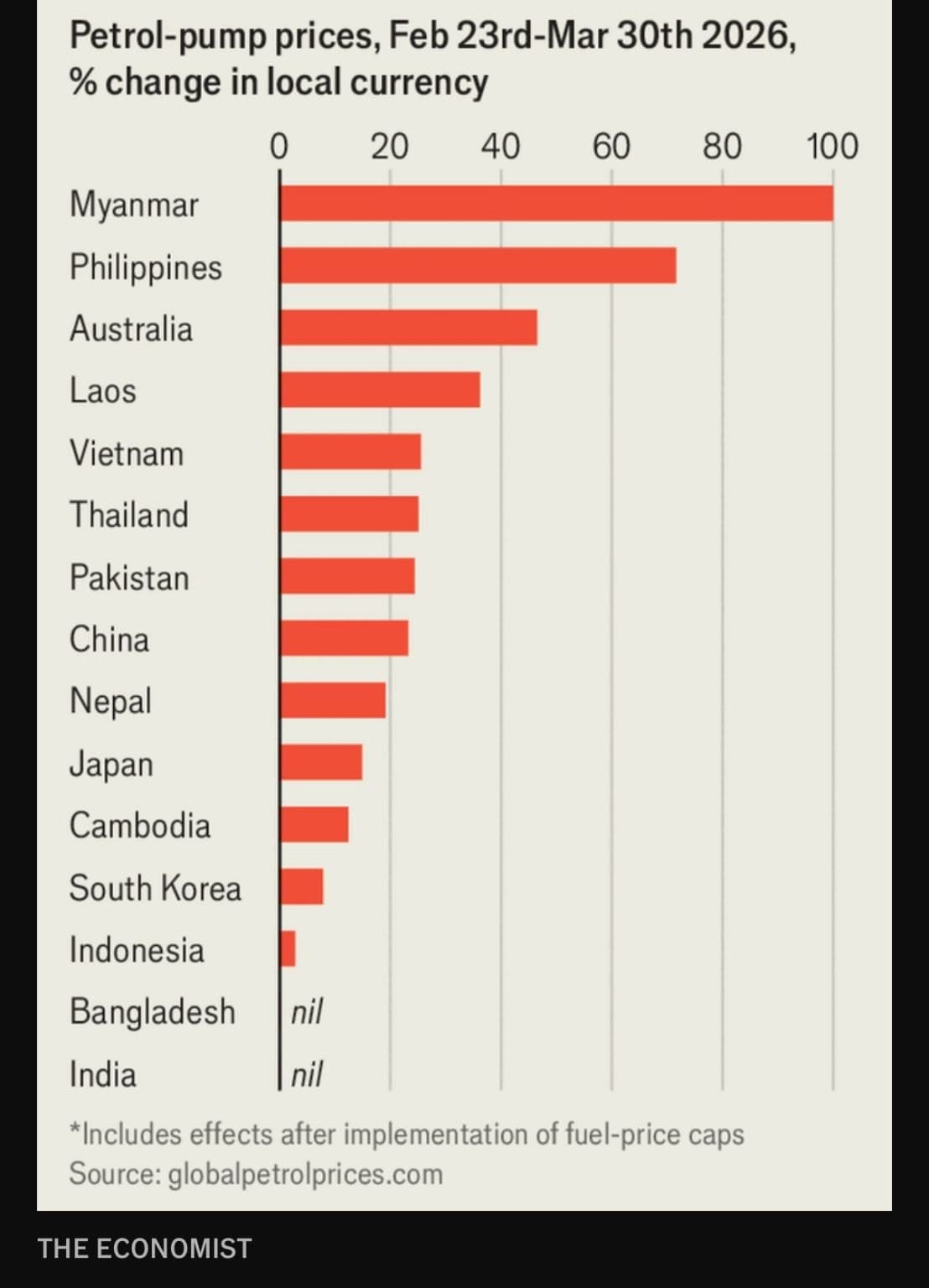
Fuel prices are already surging across the region, with some countries seeing double-digit to near triple-digit increases, underscoring how quickly shortages can translate into economic strain.
📊 Market Mood — Thursday, April 2, 2026
🟩 Markets Reverse as War Escalation Signals Hit Sentiment
U.S. futures fell after early-week gains as expectations shifted from de-escalation to renewed conflict.
🟧 Oil Surges on Escalation and Hormuz Risks
Crude jumped sharply as Trump signaled intensified strikes and ruled out reopening key shipping routes.
🟦 Ceasefire Hopes Fade as Conflict Timeline Extends
Markets recalibrated after fresh indications the war could intensify before any resolution.
🟨 Risk-Off Returns After Short-Lived Rally
Investors pulled back from equities following a brief rebound driven by bargain buying and peace hopes.
🗓️ Key Economic Events — Thursday, April 2, 2026
🟧 08:30 ET — Initial Jobless Claims
Weekly unemployment filings provide a timely snapshot of layoffs and labor market conditions.
editor-tippinsights@technometrica.com