In chess, a gambit is a sacrifice meant to seize control of the board. The counter is simple: refuse the terms and take the initiative. Iran offered the gambit. The United States denied it, then flipped the board.
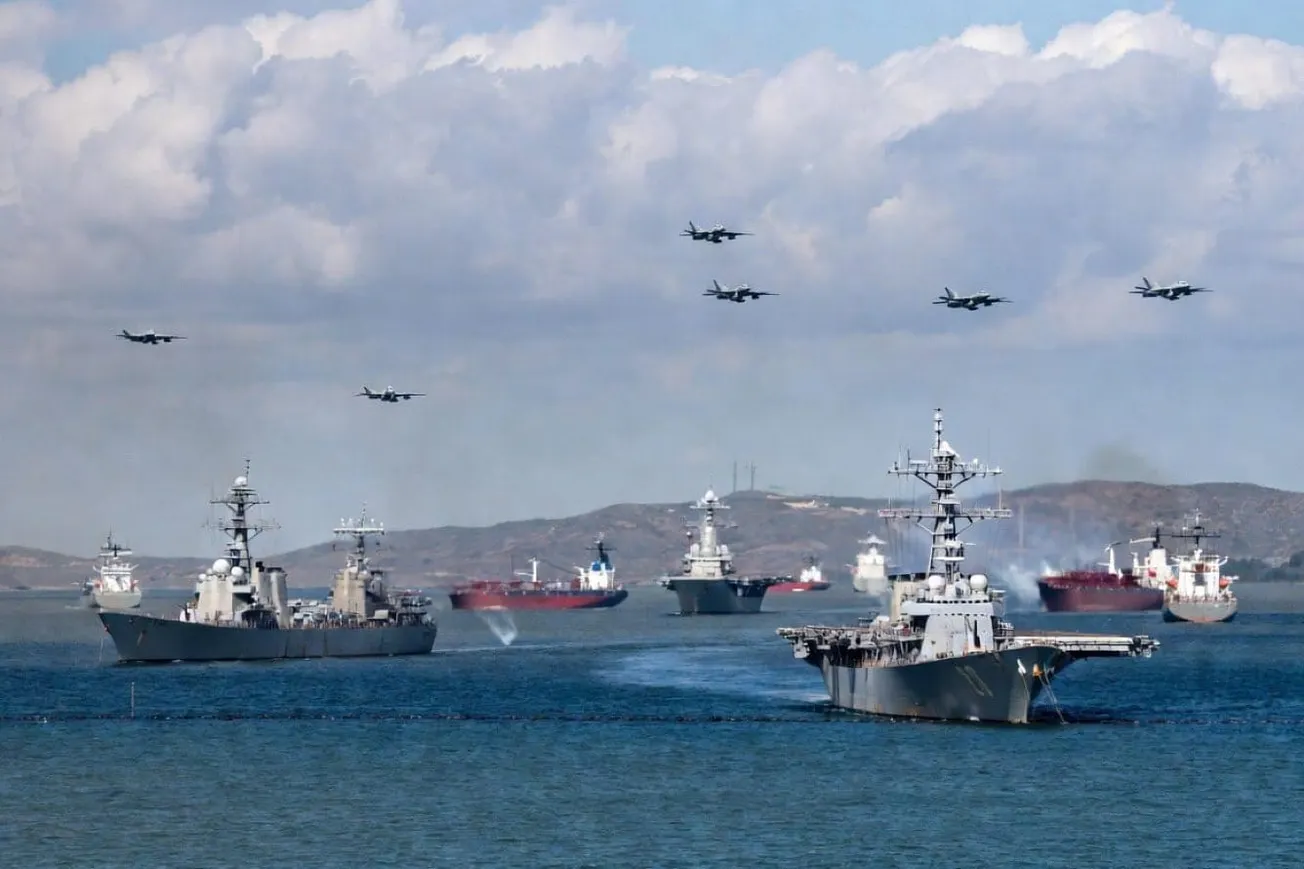
Twenty-one hours of talks in Islamabad, and no deal. Within hours, President Trump ordered a naval blockade of all Iranian ports, effective Monday at 10 a.m. Eastern.
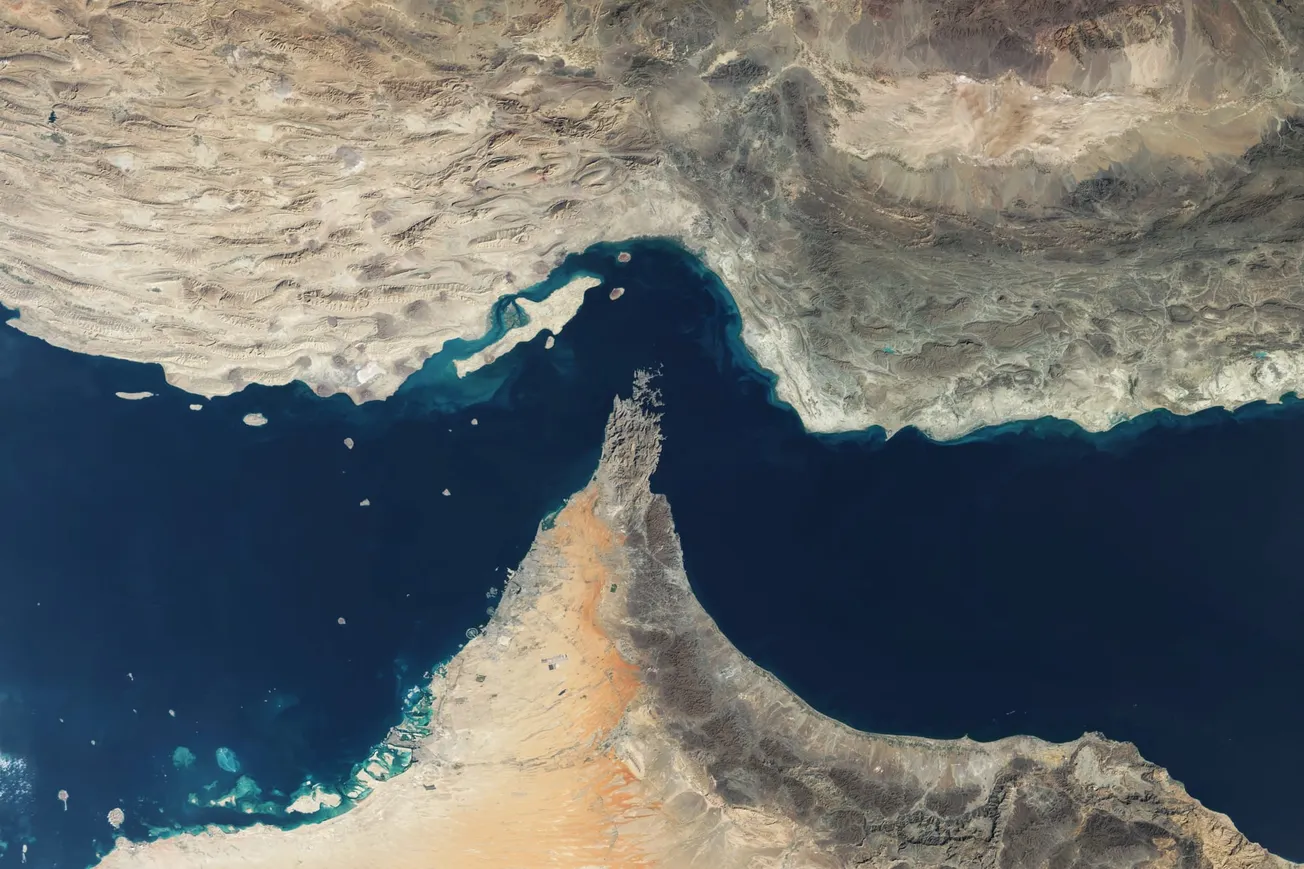
Iran bet on the Strait of Hormuz as its leverage. The United States just took it away.
The Strait was never just a waterway in this conflict. It was a pressure point. Iran could not match American firepower head-on. So it moved the fight to oil flows, shipping lanes, and global markets. Within hours of the first Iranian speedboat sorties and drone feints, Brent crude spiked more than 12 percent, and tanker insurance rates for the Gulf doubled.
The goal was never control; it was disruption. Make oil passage uncertain enough, and even a stronger power hesitates.
That logic has limits. It depends on the other side accepting the terms. Washington did not. Iran’s mine-laying ships were destroyed. Two U.S. Navy destroyers transited the Strait on Saturday, the first American warships to pass through since the war began, and mine clearance operations are now underway. The message was simple: the Strait will remain open, and Iran will not profit from closing it.
CENTCOM announced that the blockade will be enforced against vessels of all nations traveling to or from Iranian ports and coastal areas, including ports on the Arabian Gulf and the Gulf of Oman. Critically, CENTCOM was explicit: freedom of navigation through the Strait for non-Iranian traffic will not be impeded.
The numbers show what the blockade means in practice. Over 90% of Iran’s $109.7 billion in annual trade transits the Persian Gulf. Crude oil alone was earning $139 million a day before the war. Petrochemicals added another $54 million. Nearly all of it ships through ports now inside the blockade zone: Kharg Island, Assaluyeh, Bandar Abbas, Imam Khomeini. Iran’s alternatives are negligible: the Jask bypass operates at a fraction of capacity, and the Caspian ports combined handle less than 10% of Gulf throughput. Onshore oil storage is roughly 60% full, with perhaps 13 days before it tops out. After that, wells start shutting in, and forced shut-ins cause permanent reservoir damage. Combined economic damage: roughly $435 million a day. The blockade makes continued resistance economically impossible.
Know someone who should be reading TIPP Insights? Forward this email. Sponsor inquiries: editor-tippinsights@technometrica.com
For all the attention on Hormuz, the real contest lies elsewhere. Iran’s leverage has always rested on other issues - in a nuclear program that remains just short of completion and therefore just short of deterrence. That gap explains much of what we have seen. A country that already had that deterrent would not need the Strait. Israel, whose survival depends on that program never reaching completion, has made its position clear.
Russia’s Dmitry Medvedev put the opposite view bluntly. “Iran has tested its nuclear weapons,” he wrote on X after the ceasefire. “It is called the Strait of Hormuz. Its potential is inexhaustible.”
He is wrong. The Strait is not a nuclear weapon. It is what you reach for when you do not have one.
Tehran reached for what it had. Disruption became strategy. Geography became leverage. But in doing so, it invited a response that may reduce the value of both.
This is not a regime acting from strength. Its economy is strained. Its currency has weakened. Its people have shown, more than once, that they are willing to push back. The regime’s answer has been control. That includes a sweeping internet blackout that is now about 1,000 hours, cutting the country off from the outside world and from within.
Iran is fighting on two fronts: against the United States and its partners and against a legitimacy crisis it can no longer paper over. The two feed each other.
That internal pressure explains the external gamble. Regimes under strain at home always look for leverage abroad. The attempt to reshape the Strait fits that pattern. It projects strength. It creates uncertainty. It buys time. But it does not fix what is actually broken.
Even Iran’s partners are keeping their distance, at least publicly. Russia’s role remains limited to intelligence and support at the margins, though reports of lethal weapons shipments suggest Moscow is willing to sustain the fight without joining it.
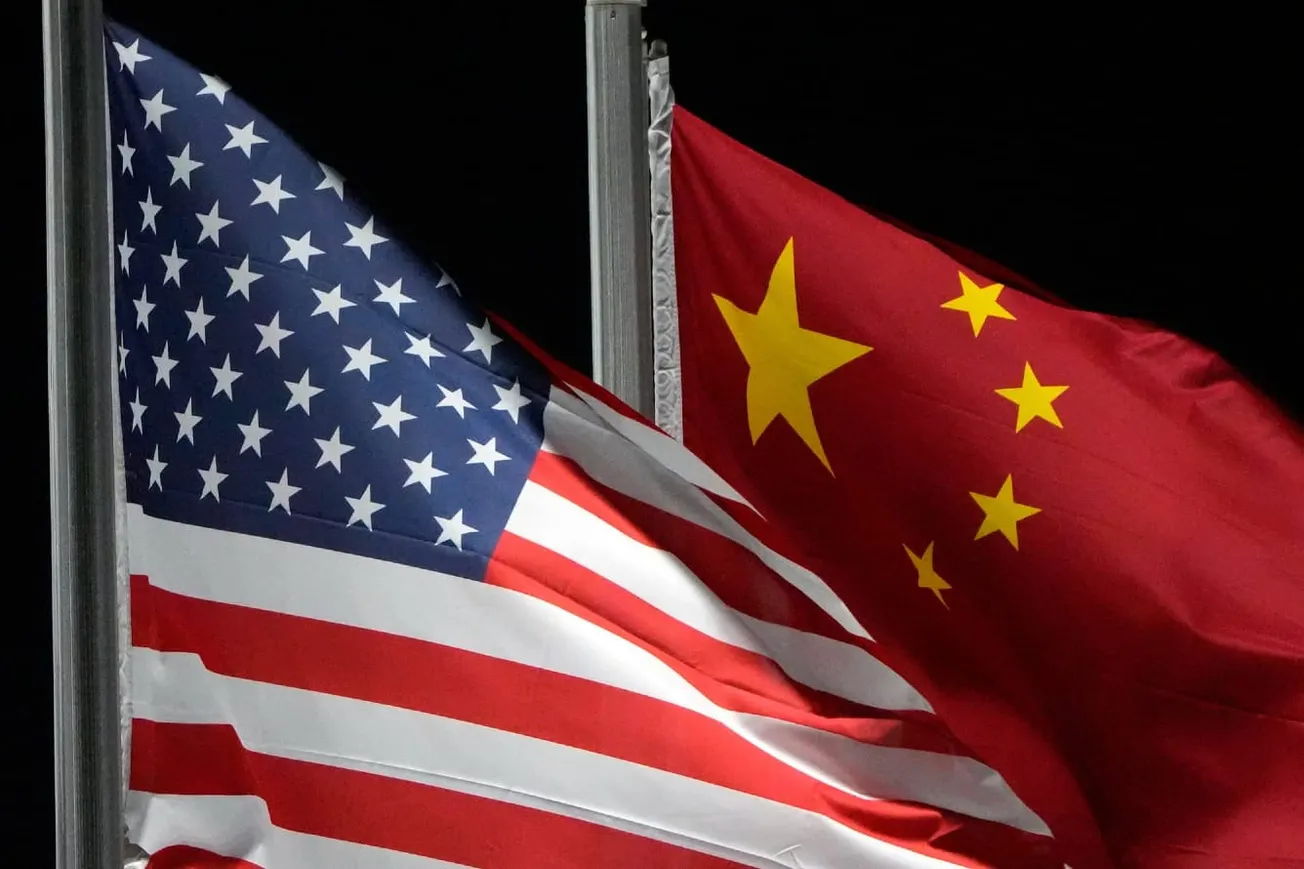
China is playing a double game. Its shadow fleet has kept Iranian crude flowing throughout the war, even as the U.S. has sanctioned Chinese refineries and shipping networks. China is Iran’s economic lifeline.
Beijing is sustaining the conflict. Reports of Chinese matériel heading to Tehran suggest China sees value in a prolonged war that drains American attention and resources. At the same time, China still needs the Strait open and cannot afford oil at $100 a barrel indefinitely. It wants Iran to survive, but not at the cost of its own economy. That contradiction has no clean resolution.
The conflict is starting to look bigger than it was supposed to be. Not every player wanted a deal in Islamabad. A drawn-out war that bleeds American resources and attention would serve both Beijing and Moscow. Whether that shaped what happened at the table is impossible to say.
Beijing may see in Hormuz a precedent it can one day cite in the Taiwan Strait. If the U.S. can blockade a waterway, so can China.
Moscow may see something simpler, a way to muddy the moral ledger. Russia’s propaganda has been drawing deliberate parallels: strikes on a sovereign nation, a naval blockade, damaged infrastructure, all framed as mirror images of what Russia did in Ukraine. The contexts are fundamentally different. But Moscow does not need the comparison to be accurate. It only needs it to circulate. At the UN Security Council, Russia proposed a resolution calling on all parties to stop military activities in the Middle East. Latvia’s ambassador said what everyone was thinking: Moscow “itself is violating daily, for years, the very principles it now calls upon others to respect.” The resolution failed. The talking point did not.
Vice President Vance, departing Pakistan after 21 hours of negotiations, said Iran had “chosen not to accept our terms.” He called it bad news, “for Iran much more than for the United States.” The key sticking points: an end to all uranium enrichment, dismantling of enrichment facilities, an end to proxy funding, and fully opening the Strait without tolls. Iran accepted none of them.
Iran’s chief negotiator, parliament speaker Mohammad Bagher Ghalibaf, took to X after the talks collapsed to mock the blockade. “Enjoy the current pump figures. With the so-called ‘blockade,’ soon you’ll be nostalgic for $4 to $5 gas,” he wrote, attaching a formula: ΔO_BSOH>0 ⇒ f(f(O))>f(O). In plain English: every barrel of oil taken off the market hurts more than the last one, because disruptions compound. It was a show of arrogance dressed up as economics. The math is not wrong. But here is what the equation leaves out: Iran’s oil storage fills in 13 days. Its ports handle 90% of its trade. Its alternatives can replace less than 10% of Gulf throughput. The compounding works both ways. Every day the blockade holds, Iran’s losses accelerate faster than America’s gas prices.
Iran tried to blockade the world. Now the world’s most powerful navy is blockading Iran. Every tool Iran reached for has been neutralized or turned against it. The Strait did not save the regime. It exposed how little the regime has left.
The gambit has been denied. The leverage is gone.
You can always count on our best Iran coverage. Explore the full archive here.
📊 Market Mood — Monday, April 13, 2026
🟩 Markets Slip as Hormuz Blockade Looms
U.S. futures fell after Washington signaled a naval blockade following failed Iran talks.
🟧 Oil Jumps Back Above $100 on Supply Shock Fears
Crude surged as renewed disruptions to the Strait of Hormuz rattled energy markets.
🟦 Ceasefire Fragility Undermines Risk Sentiment
Investors reassessed the durability of the truce after negotiations broke down.
🟨 Earnings Season Begins Under War Cloud
Bank results kick off with geopolitical risks shaping outlooks across sectors.
🗓️ Key Economic Events — Monday, April 13, 2026
🟧 10:00 ET — Existing Home Sales (Mar)
Expected at 4.07M (vs. 4.09M prior), offering a read on housing demand and the impact of mortgage rates on buyers.
editor-tippinsights@technometrica.com