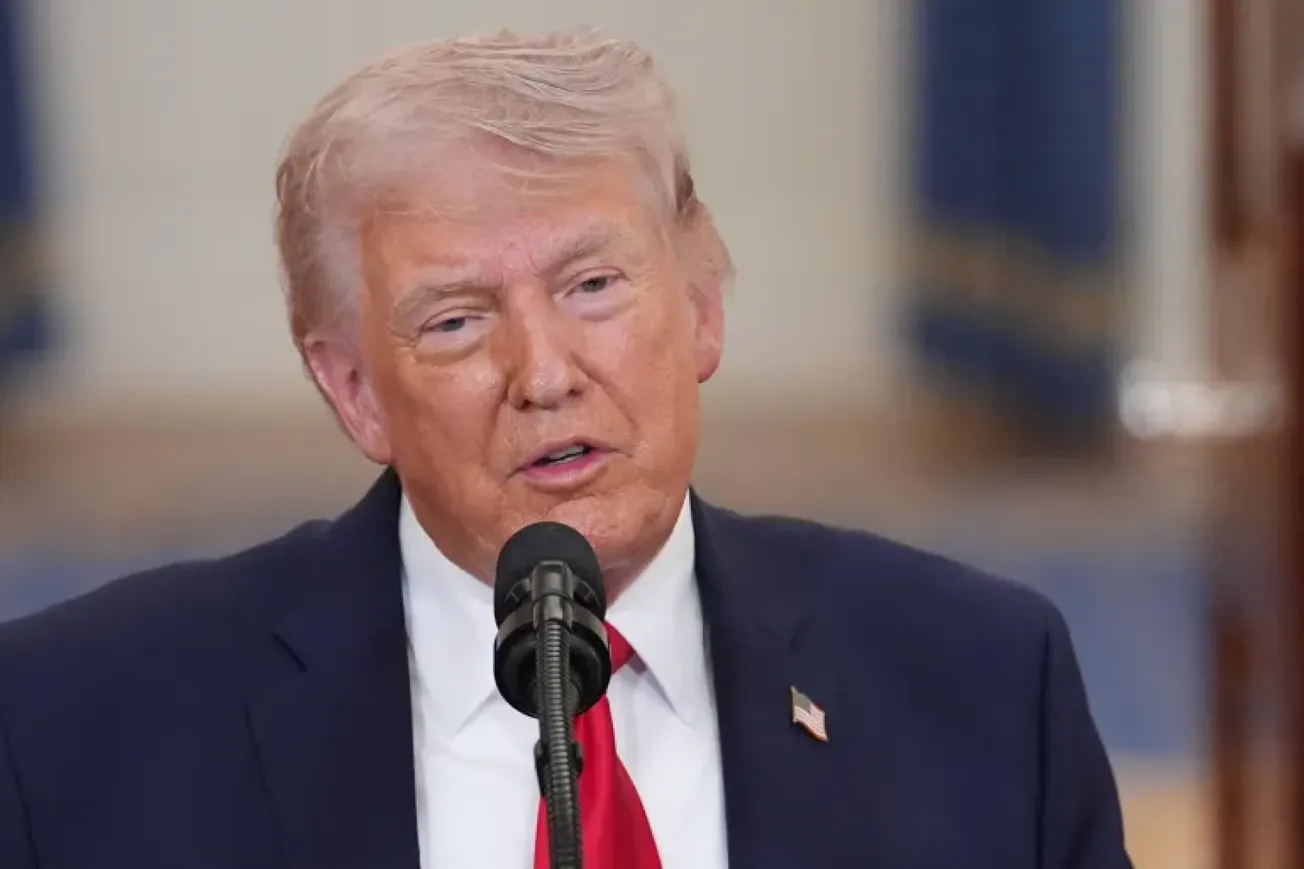
While deep in mourning at the gruesome killing of Charlie Kirk on Wednesday, with flags still flying at half-mast at the White House and around the country, President Trump turned yet again to an intractable problem.
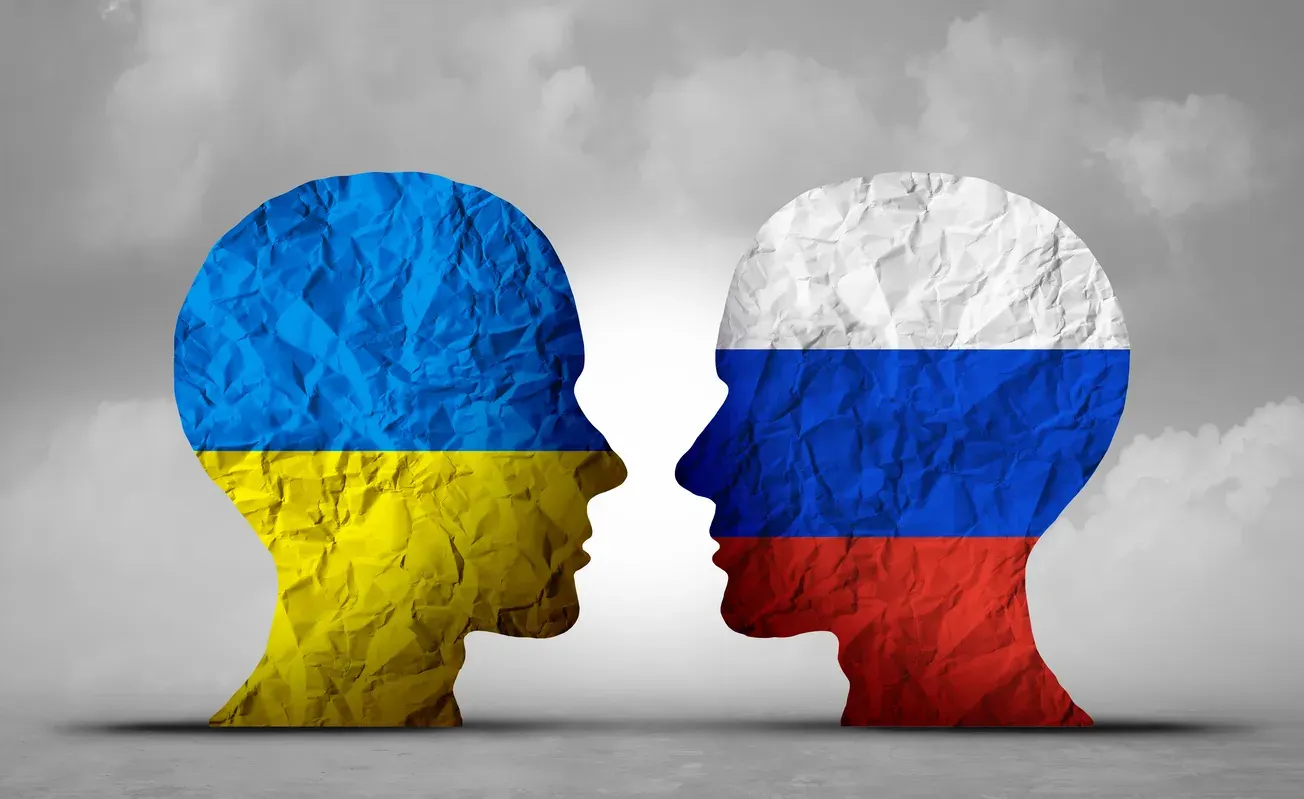
The Russia-Ukraine war has continued without a break. President Putin has remained steadfast in his resolve to capture as much territory as possible before the Ukrainians are forced to capitulate and sign a peace agreement favorable to Moscow. Putin's approach, in and of itself, did not rattle President Trump's feathers. However, one of the most seminal moments of the war occurred last week - weapons launched by Russia violated NATO spaces, first in Poland and then in Romania. If ever there was a yellow flag in this war, this was it.
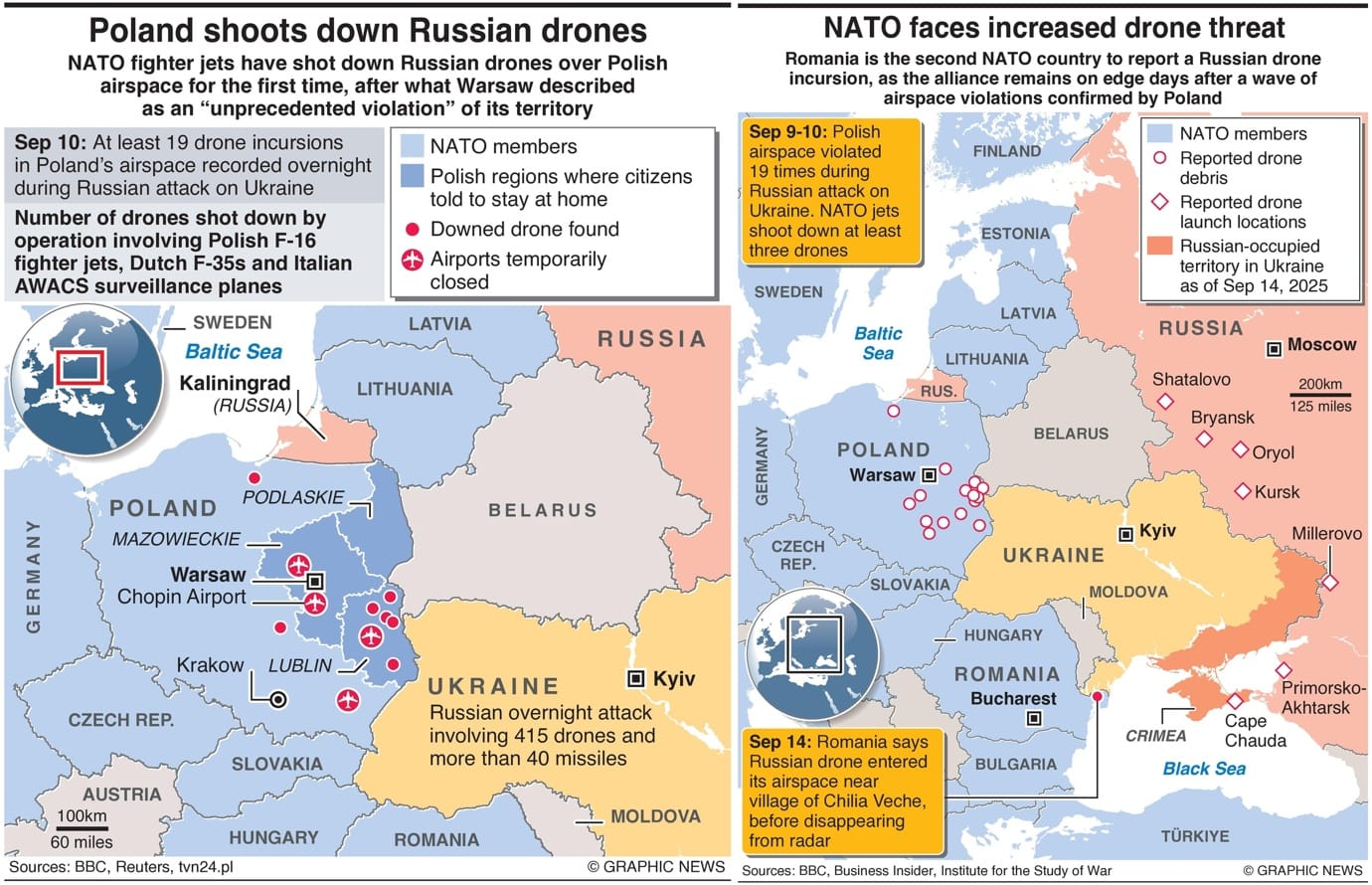
When reporters asked him what he thought about the incursions over Polish airspace, President Trump first responded that the Russian weapons may have been fired by mistake. The Polish president immediately issued a polite rebuttal, stating that he had also hoped for the same thing; however, his military had proven that the Russian incursions were deliberate.
Poland, which shares its borders with Russia, Ukraine, and Belarus, also had to wake up to see joint military exercises by Russian and Belarusian planes the following day. And then, a similar Russian incursion occurred over Romanian airspace.
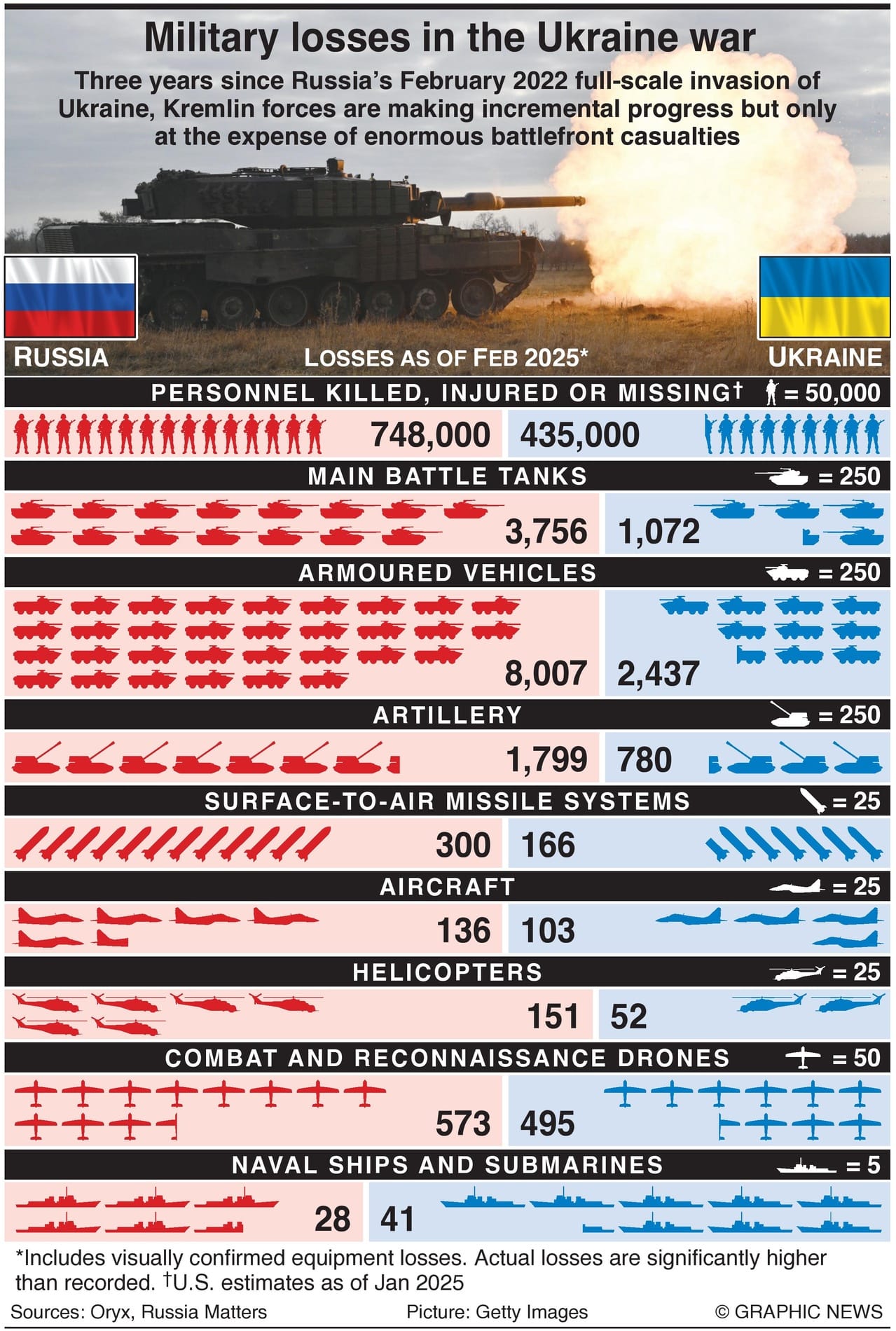
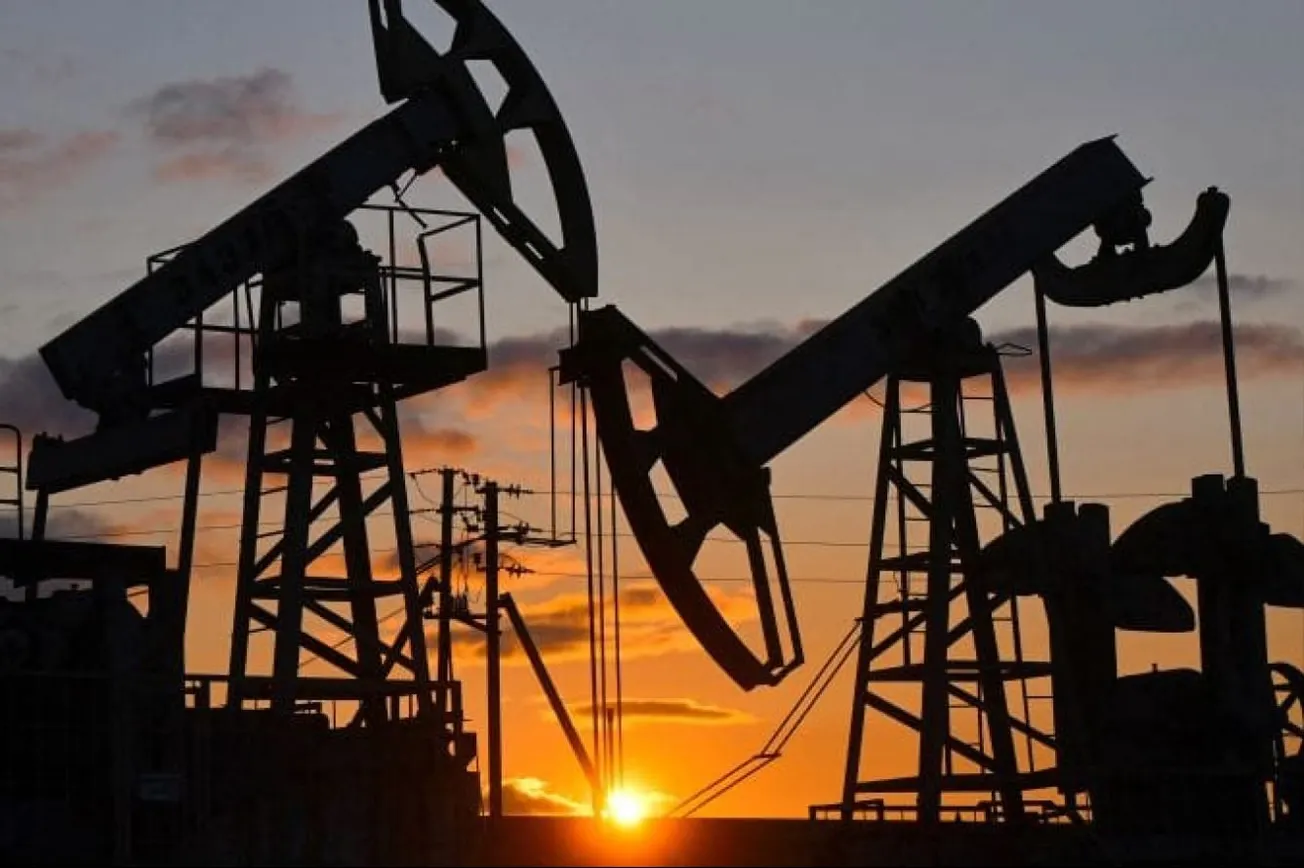
Frustrated at not being able to move the needle, President Trump took to Truth Social to type out one of his longest messages to date. The gist of it was that if NATO countries (such as Hungary and Turkey) stop buying Russian oil, and all NATO countries agreed to impose a 50 to 100% tariff on China, the United States was prepared to do the same. It was a desperate call for action by President Trump, who wanted to apply maximum economic pressure so that the Kremlin would be starved of oil money to continue financing the deadly war. President Trump warned that there were over 7,000 deaths last week alone, and his only goal was to bring about peace, although he had nothing to do with the war starting in the first place.
It was a poignant moment, signaling to the world that the most powerful country on earth had no allies to stop the war and the killing. President Trump appeared to be the only person at the table who could appreciate the evils of war and was willing to do whatever was necessary to stop it from escalating. He reminded us of President John F. Kennedy, who stepped onto the lawns of American University in the summer of 1963 to deliver his historic "Peace Speech," boldly calling for nuclear disarmament talks to begin between the two great powers of the time, the United States and the Soviet Union.
As presidential speeches go, it is one of the best. It demonstrates the tensions that occurred within the Kennedy White House just a few months prior, during the Cuban Missile Crisis, when the two sides came dangerously close to nuclear war. President Kennedy's offer to Chairman Nikita Khrushchev was simple. Conducting nuclear tests is always one of the most provocative of actions, just like the joint military exercises between Russia and Belarus last week. JFK said that if the Soviets were to agree to advance this utopian vision of enacting a partial ban on the development and pursuit of nuclear weapons, the United States would halt the test-firing of atomic weapons. At least America would not be the first to conduct a test, reserving the right to do so if the Soviets were to conduct theirs first.
Remarkably, President Kennedy explicitly stated that the money being funneled into the military-industrial complexes in both countries could be redirected to address systemic problems in education, health, and childhood development. About five months later, an assassin's bullet took President Kennedy down in Dallas in November 1963. Even then, the forces for war outnumbered the forces for peace.
Sixty-two years later, we are shocked at how Democrats under Presidents Obama and Biden openly flouted the vaunted principles in JFK's speech throughout their presidencies. The two Democratic administrations largely ignored President Kennedy's advice for accommodations and understanding with Moscow and pursued an adversarial relationship with Putin. Obama let both Republican and Democratic leaders in the Senate openly revolt against the democratically elected Ukrainian government in Kiev in 2014 and brought in a puppet administration that would answer to the United States and the West.
Since then, Russia has acquired Crimea, and in February 2022, it launched attacks against Ukraine after the United States and Western Europe convinced Kyiv to withdraw from the Minsk II treaty, which promised autonomy for the Donbas region. We are not naïve to suggest that the Russians did not have a part in this escalation. On the contrary, we hold Moscow responsible for the war and for the merciless killings of civilians, and the world's largest migration since World War II.
The relationship pendulum between the United States and its Western allies, as well as between the United States and Russia, has been swinging wildly almost every week since President Trump returned to the White House. The only steady hand here is that of President Putin, who has not budged an inch since he launched his special military operation. President Volodymyr Zelenskyy has also been equally steady, despite making far-fetched demands that have little chance of being fulfilled. Peace is impossible when the two sides are unwilling to engage in negotiations.
President Trump's move to dramatically increase sanctions, if other countries do the same, is a laudable step to bring the Russians to the negotiating table. However, Trump's offer will only elicit a yawn in Europe and a series of smiles at the highest levels in Moscow, Beijing, and New Delhi. On the other hand, it provides Trump an opportunity to disengage from the conflict and place the blame on the warring parties (and Europe), without upsetting his MAGA supporters for breaking his campaign promise to bring a swift end to the war.
Related
Zelensky’s Incentive Problem: Unmasking The Media’s Darling—Steve Cortes, American Greatness
The Limits Of Xi And Putin’s “No-Limits” Partnership—Ruby Osman, Dan Sleat, Project Syndicate
Bear, Dragon, Eagle—Editorial Board, TIPP Insights
Europe’s Poison Pill That Dooms Peace—Editorial Board, TIPP Insights
📊 Market Mood — Tuesday, September 16, 2025
🟢 Futures Edge Up:
S&P and Nasdaq futures ticked higher while Dow futures were flat, as traders awaited retail sales data and a pivotal Fed rate decision on Wednesday.
🟡 Retail Sales Watch:
August retail sales are expected to slow to +0.2% from +0.5% in July, with softer labor data and tariff worries weighing on consumer sentiment.
🔴 Fed Drama Eases:
An appeals court blocked Trump’s bid to fire Fed Governor Lisa Cook, ensuring stability ahead of the Fed’s two-day policy meeting starting today.
🟣 TikTok Deal Nears:
CBS reports Oracle may join a consortium enabling TikTok to stay in the U.S. as Washington and Beijing near commercial terms on a deal.
🟠 Gold Hits Record:
Gold surged to a new all-time high near $3,700/oz, buoyed by a softer dollar and Fed cut expectations, while crude paused after recent gains.
Market round-up in 5 minutes. We bring you up to speed. Subscribe to TIPP Insights for $99/year.
📅 Key Events Today
🟨 Tuesday, September 16
08:30 – Core Retail Sales (MoM) (Aug)
Monthly retail sales excluding autos.
08:30 – Retail Sales (MoM) (Aug)
Total monthly retail sales growth.