By Ruby Osman, Dan Sleat | September 3, 2025
Despite Russia's obvious economic dependence on China, the Chinese are not yet dictating outcomes, and Russia is not acting like a junior partner. Political, historical, and geographical factors on each side ensure that nothing about the relationship will be simple or straightforward.
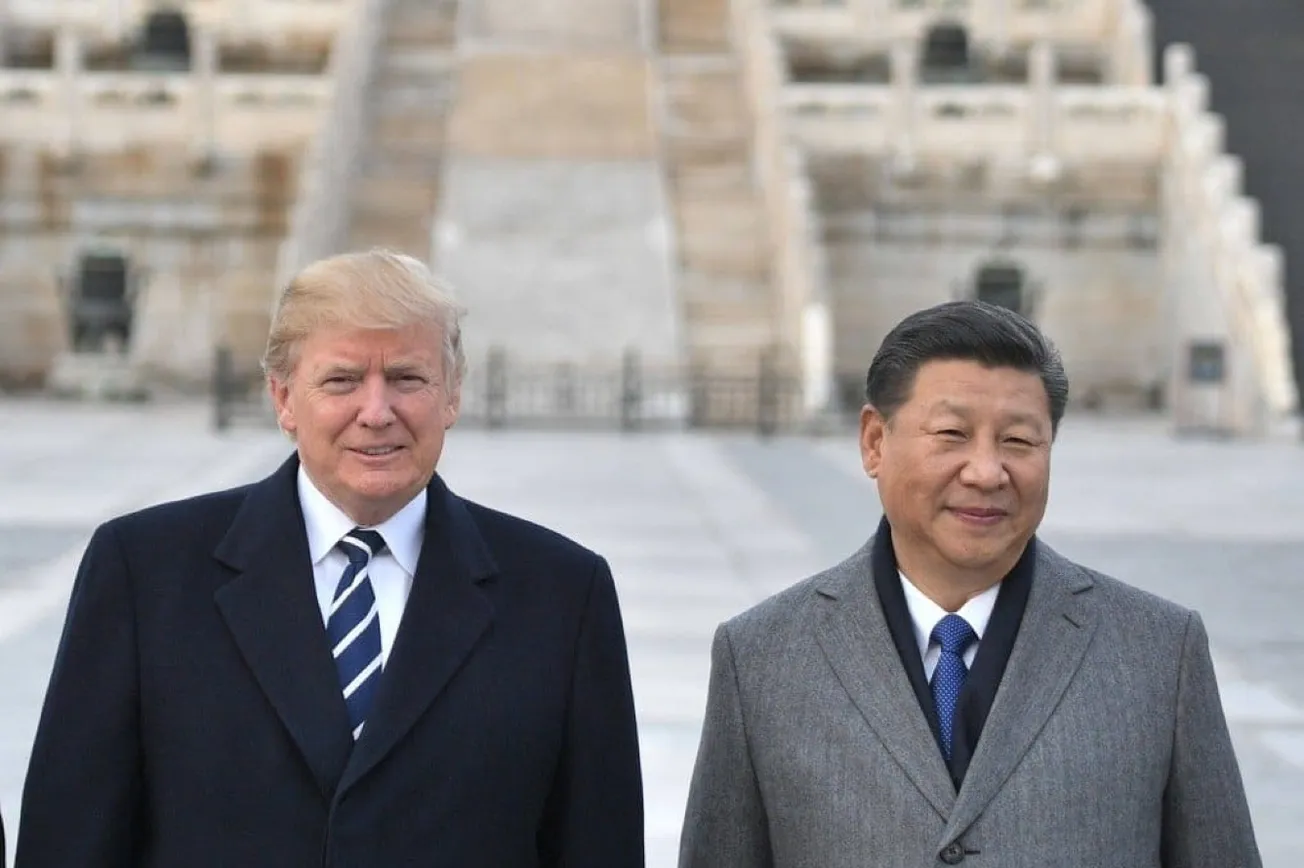
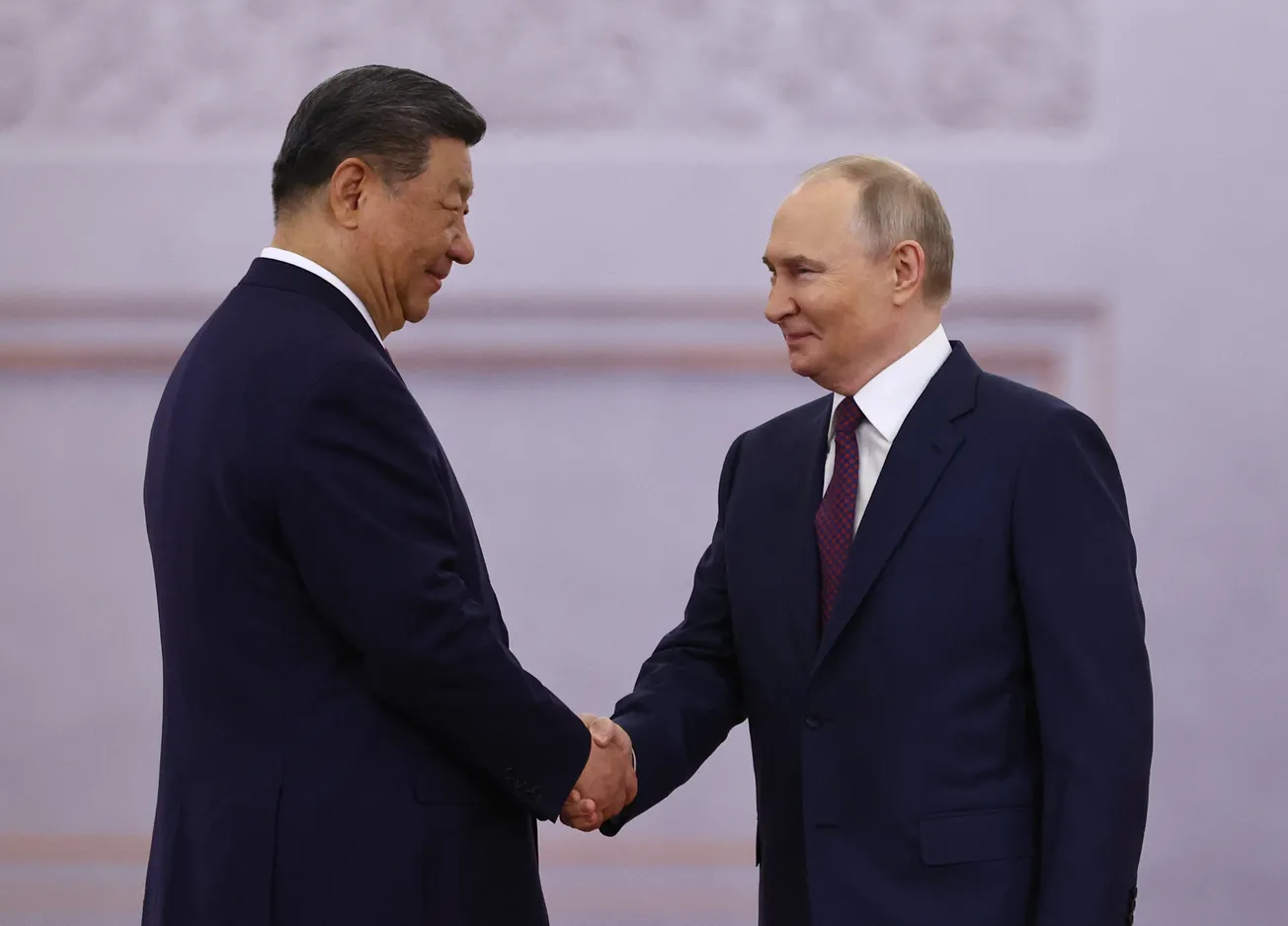
LONDON – Much has changed since Chinese President Xi Jinping and Russian President Vladimir Putin last stood together atop Tiananmen Square in 2015. When they did so again this week, it was supposedly as equal partners. But, of course, the reality is far more complex.
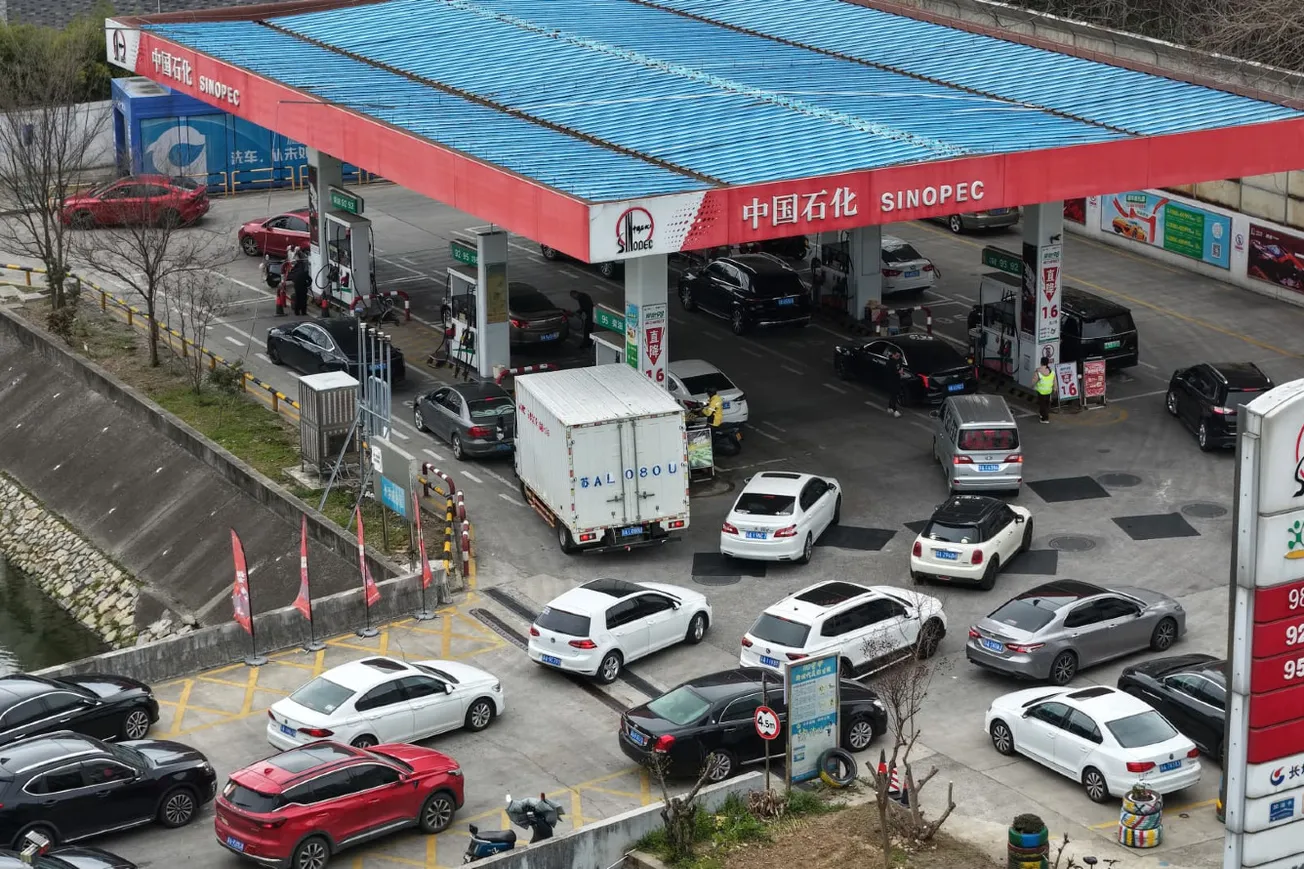
The conventional wisdom is that China has cemented its position as the dominant partner, especially since Russia’s full-scale invasion of Ukraine in February 2022. After all, it is now Russia’s biggest trading partner, accounting for more than half of Russian imports in 2023, whereas Russia doesn’t even make China’s top five. While Russia relies on China to buy roughly half of its crude oil exports, these purchases account for only 17.5% of China’s total oil imports. Simply put, Russia needs China to keep its own economy going.
Yet for all this dependence, China is not dictating outcomes, and the Kremlin is not acting like a junior partner. Consider the war in Ukraine. While it has some significant upsides for China – not least by diverting US resources from the Pacific theater – there is no doubt that Putin is calling the shots on the timing, scope, and endgame.
On paper, China may have the leverage to influence Russia’s policy. But it’s hard to imagine a scenario in which Ukraine could compel China to use it. Doing so would not only jeopardize China’s relations with a key partner, but also contravene its own core foreign-policy principle of “non-interference.” Putin knows that better than anyone.
TIPP Insights brings you both: world-class syndicated voices and our own sharp, data-driven reporting. Join today → $99/year.
Although China has consistently pitched itself as a “peacemaker,” that role has been filled by other countries, including Turkey and Saudi Arabia; and now, US President Donald Trump and Putin have proved capable of engaging each other without a broker.
The limits of Chinese influence are even more striking around its own borders, where Russia’s deepening partnership with North Korea is raising alarms. China may welcome Russian meddling in Europe, but potentially destabilizing the Korean Peninsula is quite another matter.
If China is unwilling to influence outcomes in Ukraine and unable to deter potential instability in its own neighborhood, that suggests there is more to Sino-Russian relations than a simple junior-senior partnership. Though the economic relationship may have changed, the politics have yet to catch up.
Historically, China was long its northern neighbor’s junior partner – and sometimes its victim. Czarist Russia was among the imperial powers that carved up Chinese territory in the nineteenth century, seizing roughly 1.5 million square kilometers (579,000 square miles) in China’s northeast – an area roughly one-sixth of China’s current territory. And later, in 1969, disputes over the same border sparked a seven-month conflict with the Soviet Union.
Thus, the view in Beijing is that the last 30-odd years of strong relations are an exception, not the norm. Chinese leaders remain reluctant to redefine the relationship, especially when the current posture brings valuable benefits such as cheap energy. Given this potent combination of economic gain and political anxiety, they are unlikely to put meaningful pressure on the Kremlin.
Russia, for its part, is struggling to accept the idea of Chinese dominance. It is still holding out in negotiations over the Power of Siberia 2 pipeline, refusing China’s demands that it sell gas at its heavily subsidized domestic price level. Russia has also imposed significant “recycling fees” – which function similarly to tariffs – to counter the sevenfold surge in imported Chinese autos that followed Western carmakers leaving the country.
Meanwhile, the Russian right has been increasingly vocal in urging the Kremlin to resist dependence on China. Noting that Russia’s sparsely populated Far East sits uneasily beside China’s vast population, nationalist commentators warn that the Chinese have not forgotten their “lost territories,” and surely covet Russia’s endowments of cheap energy and raw materials. Their arguments draw on history and identity, not just economics, to bolster a politics that rejects the role of supplicant.
Russia also appears to be keeping China at arm’s length in the Arctic, where China aspires to assert itself as a “near-arctic state.” And in North Korea, the more that Russia provides fuel, food, and technical assistance, the less leverage that China will have over Kim Jong-un.
Still, there are some areas where China is growing bolder. It is increasingly stepping into Russia’s traditional sphere of influence in Central Asia, pledging more than $25 billion in investment in the region just in the first half of this year. Xi also recently attended the second China-Central Asia Summit in Astana – a clear signal of Chinese priorities, given that he had been limiting his international engagements.
These realities, not hand-on-heart declarations of “no-limits” partnership, offer the best gauge of bilateral ties. Sino-Russian relations are by no means on the verge of collapse, but their evolution will reflect political, historical, and geographical constraints, not trade volumes.
China still harbors a deep-seated fear of instability along its borders, informed in part by Russia’s own history of territorial aggression. That is why neighboring North Korea, not Ukraine, has more potential to serve as a wedge between the two. It is also why China views the fall of Putin’s regime, and the chaos that could ensue along its border, as an intolerable outcome.
For Russia, the same mindset that drove the invasion of Ukraine also shapes its view of China. The Kremlin is struggling to reconcile growing economic dependency with its self-image as an enduring great power. The nationalist right argues that Western sanctions have forced Russia to become more self-reliant, and that this hard-won “autonomy” must not be surrendered. The idea that Russia’s future could be dictated on Chinese terms is anathema to the country’s political elite as well.
That makes Russia’s own vision of the future unpalatable to China, which wants to cement itself as a technological powerhouse and lynchpin of the global economy, not join an alliance of isolated, willfully destabilizing rogue actors.
Ten years after Xi and Putin’s previous Tiananmen meet-up, the images depicting unity cannot hide their countries’ historical mistrust and diverging long-term interests.
Ruby Osman is Senior Policy Adviser on China at the Tony Blair Institute.
Dan Sleat is Senior Policy Adviser on Russia and Ukraine at the Tony Blair Institute.
Copyright Project Syndicate
TIPP Takes
Geopolitics, Geoeconomics, And More
1. Putin Says Russia Will Achieve All Aims Militarily If Ukraine Does Not Agree Deal - BBC
President Vladimir Putin has said Russia is willing to fight to achieve all its objectives if Ukraine does not agree to a deal.

He made the remarks in China after attending a huge military parade seen as a challenge to Donald Trump and the US-dominated world order.
2. Around 2K North Korean Soldiers Killed Fighting for Russia, Seoul Claims – AFP
Around 2,000 North Korean soldiers deployed to help Russia fight against Ukrainian forces are believed to have been killed, South Korean lawmaker Lee Seong-kweun told reporters on Tuesday after a briefing from the National Intelligence Service (NIS).

South Korean and Western intelligence agencies say Pyongyang sent more than 10,000 troops to Russia in 2024 — mostly to the southwestern Kursk region — along with artillery shells, missiles and long-range rocket systems.
3. Hot Mic Catches Xi And Putin Discussing Organ Transplants And Immortality - BBC
Chinese President Xi Jinping and Russian President Vladimir Putin have been overheard discussing organ transplants as a means of prolonging life on the sidelines of a military parade in Beijing.

Putin suggested even eternal life could be achievable as a result of innovations in biotechnology, according to a translation of remarks caught on a hot mic.
The unguarded moment was captured on a livestream carried by Chinese state TV as the two leaders and North Korea's Kim Jong Un walked together through China's historic Tiananmen Square.
4. China Shows Off Weapons At Huge Parade - TIPP Insights
From nuclear-armed missiles to air-defence lasers, hypersonic weapons and sea drones, China sends a broad message of deterrence with its largest-ever military parade in Beijing.

5. Trump Offers More US Troops To Poland's Nationalist President - AFP
US President Donald Trump offered Friday to send more troops to Poland as he welcomed the country's new nationalist president Karol Nawrocki to the White House with a military flyover.

Trump also hinted at taking stronger action against Russia if it fails to end its war with Ukraine, which has put NATO ally Poland on edge since Moscow's invasion in 2022.
6. EU-Mercosur Free-Trade Deal Seeks Approval - TIPP Insights
A EU-Mercosur trade deal could allow both sides to diversify away from the U.S. and China and create an integrated market of 780 million consumers but needs approval by the EU’s 27 member states.

The European Commission says EU food safety and environmental standards will not be relaxed, bur Friends of the Earth has warned that it could lead to to increased deforestation in South America to meet demand for agricultural products and raw materials. While the deal includes commitments on the environment, critics say they lack enforceable measures.
7. U.S. Military Strikes Alleged Drug Boat From Venezuela - Infographics - TIPP Insights
The U.S. military killed 11 people on Tuesday in a strike on a vessel from Venezuela allegedly carrying illegal narcotics, President Donald Trump said.

The Trump administration has ratcheted up military and political pressure against Venezuelan President Nicolás Maduro in recent weeks, including through a $50m reward for information leading to his arrest on drug-trafficking charges. Maduro has vowed Venezuela would fight any attempted U.S. military intervention, the BBC said.
8. Russia Denies Bugging Argentina's Presidential Palace - Reuters
Russia on Tuesday denied suggestions by Argentine officials that it may have been involved in a bugging operation to tarnish President Javier Milei's government ahead of legislative elections.

An Argentine judge on Monday barred media outlets from publishing audio recordings made inside the Casa Rosada presidential palace, presumably of Karina Milei, the president's sister and chief of staff.
9. Britain To Ban Energy Drinks For Children Younger Than 16 - UPI
The proposed ban, which would be implemented under the Food Safety Act of 1990, would prohibit shops, cafes, restaurants, and websites from selling energy drinks containing more than 150mg of caffeine per liter to anyone under the age of 16.

"Energy drinks might seem harmless, but the sleep, concentration, and well-being of today's kids are all being impacted, while high sugar versions damage their teeth and contribute to obesity," said Health and Social Care Secretary Wes Streeting.
10. Artificial Sweeteners Consumed In Midlife Linked To Cognitive Decline – Health News
People who consume the highest levels of artificial sweeteners during middle age show the fastest declines in cognitive functions, such as memory, as they move into their senior years, according to a study released Wednesday.

The study of nearly 13,000 middle-aged Brazilian adults who were followed for an average of eight years revealed that those who consumed the most aspartame, saccharin, and five other kinds of sweeteners experienced cognitive declines at a 62% faster clip than those who consumed the lowest amounts, the researchers said.
📊 Market Pulse — September 3, 2025
🟢 Stocks Bounce: The S&P 500 gained +0.51% to 6,448, recovering from Tuesday’s drop as dip buyers stepped in.
🔻 Yields Slide: 10-year Treasury yield fell to 4.21% (6.6 basis points), signaling safe-haven demand after heightened policy and trade uncertainty.
🛢️ Oil Slumps: Crude futures dropped -2.54% to $63.92, pressured by demand worries despite earlier inventory drawdowns.
💰 Bitcoin Steady: BTC hovered at $112,154, flat on the day, consolidating after recent volatility.
🟡 Gold Glitters: Gold extended its surge, closing at $3,565/oz (+0.86%), supported by Fed cut bets and tariff concerns.
⚖️ Dollar Softens: US Dollar Index eased -0.23% to 98.17, reflecting lower yields and shifting rate expectations.