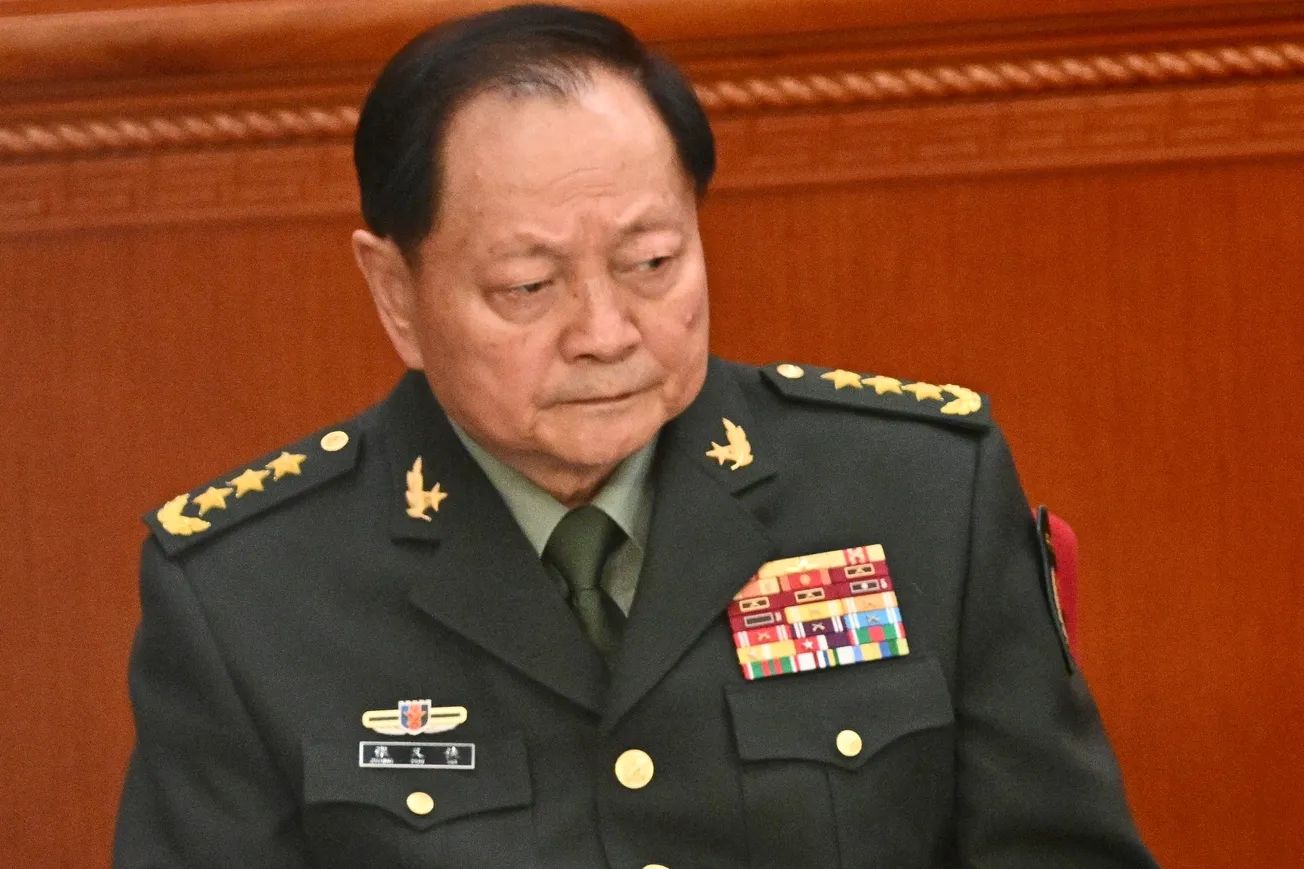
The world had become largely immune to shocking political developments in China. Yet, the news of Gen. Zhang Youxia's sacking sent shockwaves through the global political and military circles.
It is well known that President Xi Jinping has made it his mission to purge the Chinese political establishment and military ranks of corrupt and disloyal officials and officers. In the last thirty months alone, more than fifty senior military officers, including admirals, regional military commanders, members of the Central Military Commission, and defense-industry-linked executives, have been removed from their positions or placed under anti-graft investigations. A few others have simply disappeared from the public eye without any explanation. Many in the know have suggested that such a large-scale dismantling of the military leadership has not been attempted since the Mao Zedong era.
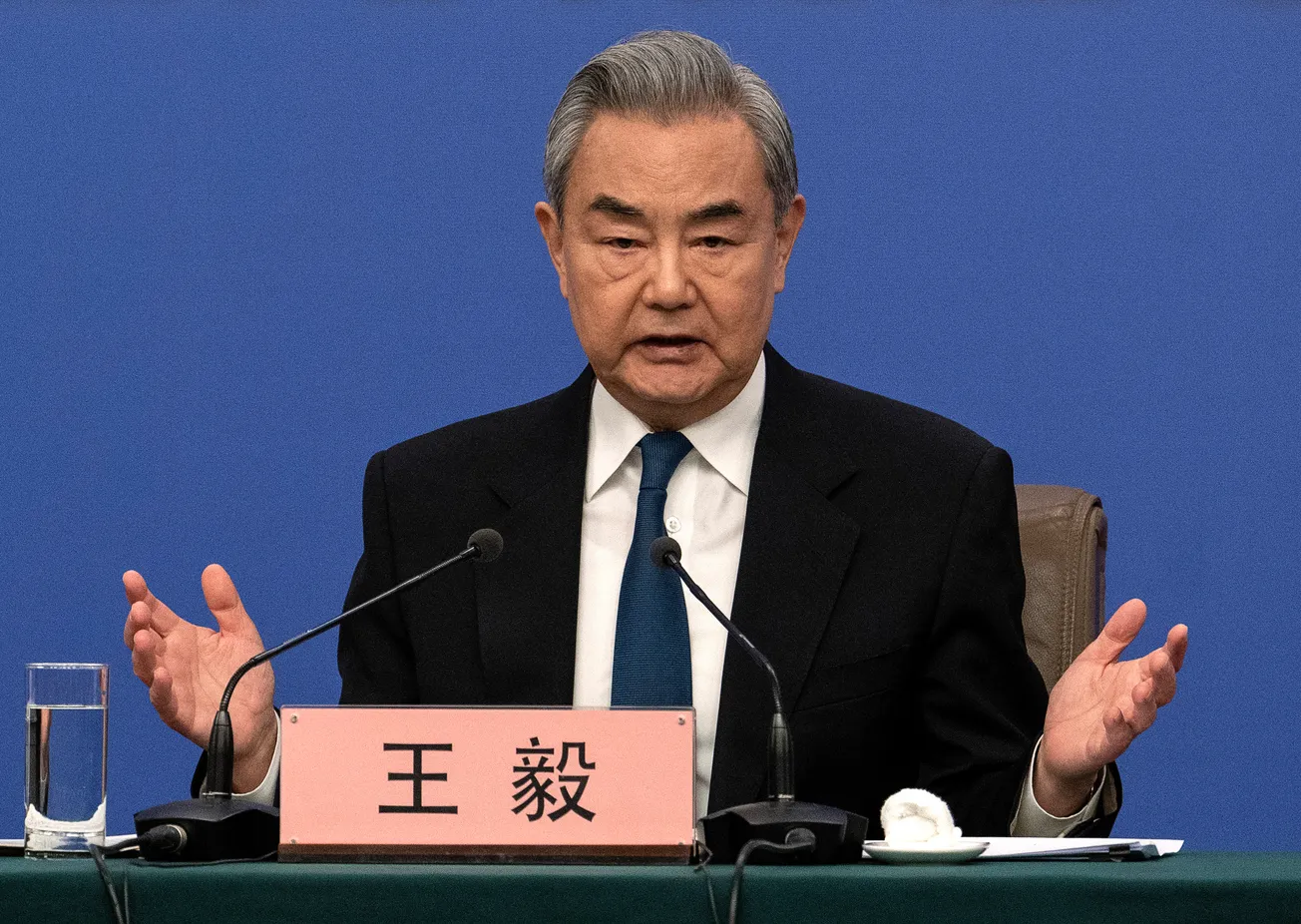
However, President Xi’s latest diktat, the firing of Gen. Zhang Youxia, has jolted even those who had come to accept his tight-fisted control of the Chinese Communist Party and the Central Military Commission – the supreme national defense organization, commanding the People's Liberation Army (PLA), People's Armed Police, and Militia.
Gen. Zhang was a vice chairman of the Central Military Commission, second only to President Xi in the Chinese military hierarchy. The 75-year-old, serving his third term, was placed under investigation for allegedly forming political cliques, abusing his authority as a top-ranking general, and accepting bribes to award contracts and promotions. Besides the allegations of bribery, the charges of “grave violations of discipline and the law” and accusations of undermining the Chairman’s authority often imply that Gen. Zhang was growing in power or stature that President Xi found threatening.
Personal connection
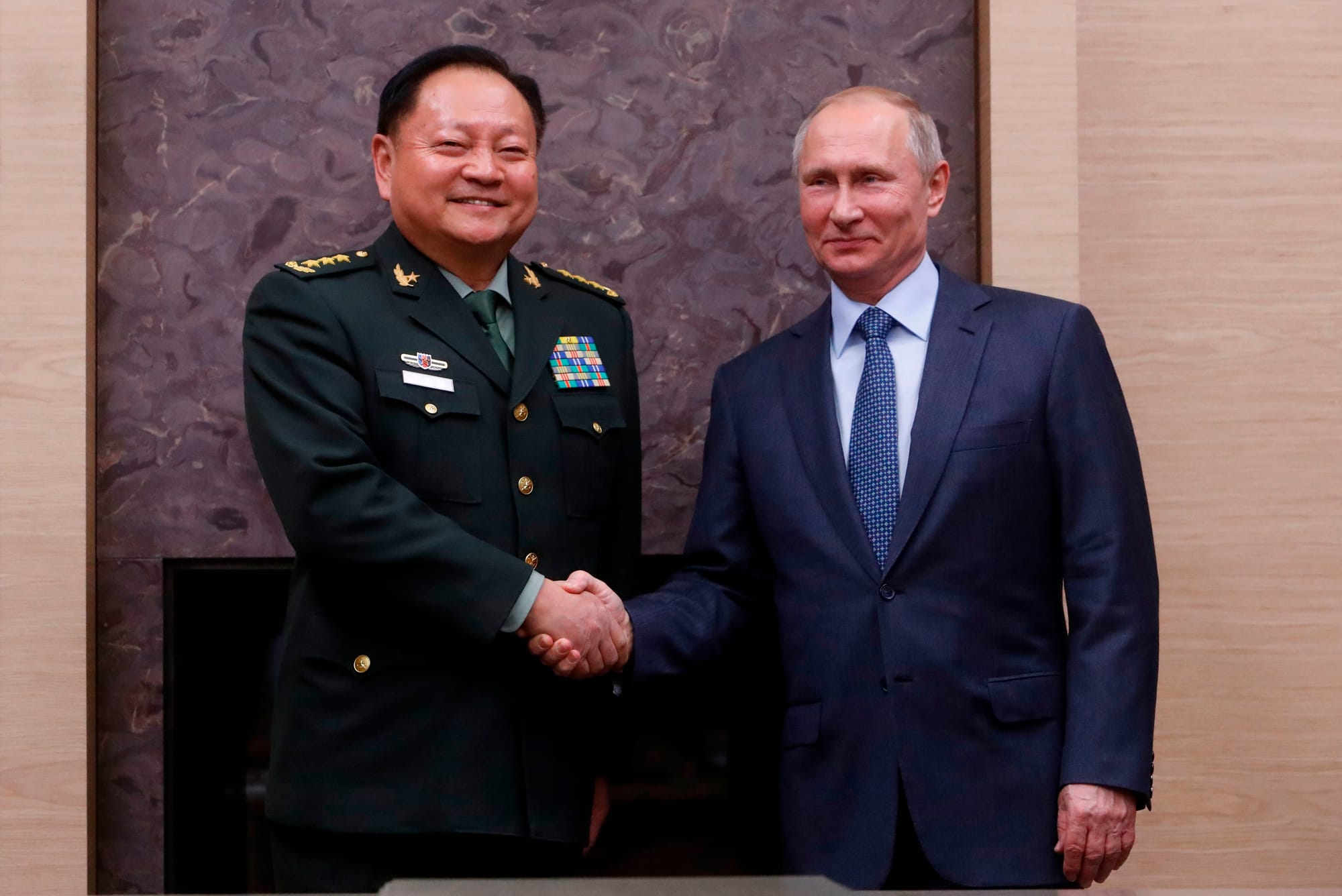
It is possible that Gen. Zhang, who was asked to stay on past the standard retirement age of seventy, considered himself invulnerable. For one, he was one of the ‘princelings’ – the child of a revolutionary elder or high-ranking party official. His father fought in the Chinese civil wars alongside President Xi Jinping’s father.
During the early years of the purge, the Chinese leader had mostly stayed away from sacking active-duty senior generals. This had led to criticism that Chairman Xi was going soft on princelings and those in his inner circle.
President Xi takes pride in being seen as a strong leader capable of doing whatever is necessary. With the ousting of Gen. Zhang, the Chinese leader has sent out a loud and clear message. First, that no one is off limits or untouchable under his leadership. Second, that he will not be deterred from his mission to root out corruption and build a competent military.
Xi’s hold over the party
The bold and decisive move – firing the second in command of the military – indicates another one of his strengths: the unconditional support afforded by his iron hold over the Chinese Communist Party. As expected, the Polit Bureau members have silently gone along with the decision, and Party mouthpieces have parroted the lines that Gen. Zhang was getting too big for his boots and undermining the nation’s security.
Despite dismantling most of the military command chain – five of the six generals he appointed to the CMC in 2022 have been let go - the Chinese leader has hardly faced any recrimination or opposition. It is noteworthy that President Xi has sacked some of his own handpicked appointees after finding them guilty of corruption. The lack of censure means that the President can continue his efforts to build a politically loyal and ideologically committed force, unhindered.
Some suggest that, having had to fire his own protegees, President Xi will likely wait till the Communist Party Congress, scheduled for 2027, and thoroughly vet suitable candidates before filling the CMC vacancies. Until then, one of the world’s largest armies remains under the command of President Xi and Gen. Zhang Shengmin.
Implication for the PLA
China, and specifically President Xi’s regime, does not tolerate questioning or criticism. Hence, it is unlikely that any discontent or unease caused by the leader’s actions will find mention in the media or public domain.
However, military leaders agree that the Chinese President’s actions would have badly affected the morale of the People’s Liberation Army. With the ranks depleted by numerous ousters, those who would have stepped in to fill the vacant roles are also missing. There is even speculation that this could slow down some of President Xi’s ambitious initiatives to modernize and rejig the forces.
With hardly any top commanders with real war experience, the behemoth army finds itself on its back foot. Experts are wondering who is in charge of training and exercises, and how compromised the chain of command has become. President Xi’s concerted efforts to raise a loyal, corruption-free army may have set the country’s armed forces back by a few years. As the country waits for a new generation of officers to rise through the ranks, there is an underlying truth: no amount of training can replace actual combat experience.
Building a cadre of competent and loyal officers cannot be orchestrated overnight. Some estimate it would take at least five years or more to rebuild the decimated chain of command and populate the PLA with trustworthy officers.
Breather for Taiwan
The Chinese military command, which is undergoing an abrupt overhaul, is good news, at least in the short term, for Taiwan and the rest of Asia. Beijing has threatened to do “whatever is necessary” to bring the self-governing island back into its fold. Aircraft sorties and naval drills in Taiwan’s vicinity had stoked tensions in the region for much of the past year.
However, with no generals with actual combat experience in the top echelons of the military, many opine that President Xi will not be foolish enough to launch an attack on the island. Without its combat effectiveness in question, a lot is riding on the China-US trade and security talks scheduled for later in the year. This presents a golden opportunity to diffuse the situation and bring lasting peace to the region, which is home to some of the world's busiest maritime trade routes.
With much of the old command removed, President Xi has the opportunity to bring in loyal officers who share his vision. What ethics the new faces will bring and how much they will contribute to the success of his dreams, only time will tell.
In Beijing, power does not announce its moves. It simply moves on. The removal of the general closest to Xi is less about corruption than control, and it leaves behind an unmistakable lesson for those who remain: closeness offers no protection, and survival depends on never forgetting who truly commands the system.
👉 Show & Tell 🔥 The Signals
I. Gold and Silver Pull Back After Strong Rally
Gold and silver fell sharply after a strong rally, with silver dropping about 27% in one day and gold falling roughly 9%. The move was sudden, but it was driven more by changing expectations than by any collapse in demand.
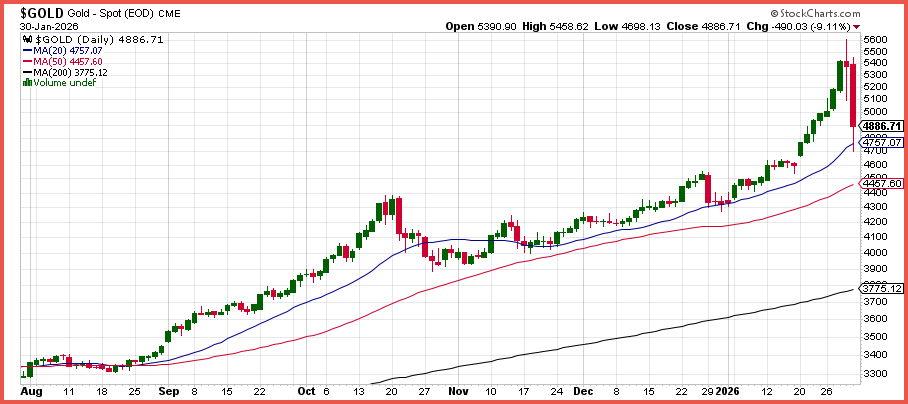
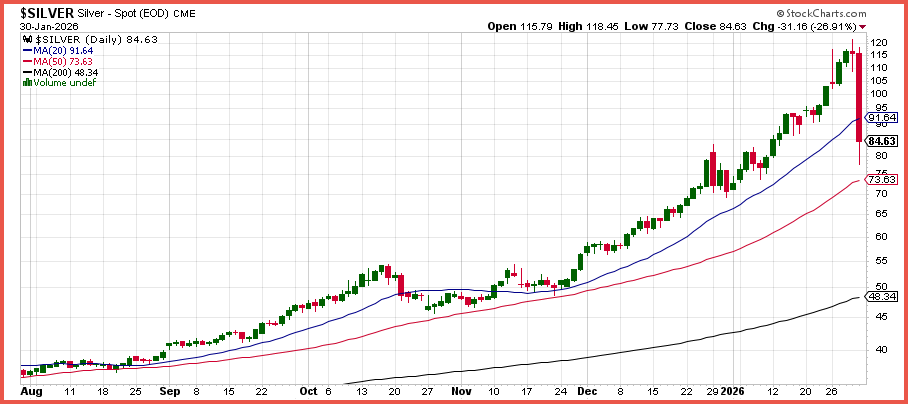
Three things caused the drop:
- Prices had risen too fast
Gold and silver had climbed sharply in recent weeks. When prices get stretched, even small shocks can lead to big pullbacks. - Expectations changed after Trump’s Fed signal
President Trump named Kevin Warsh as his choice for the next Federal Reserve chairman. Warsh is seen as tough on inflation, which led investors to expect higher interest rates and a stronger dollar than previously assumed. - Fast selling amplified the decline
As prices began to fall, many traders rushed to sell and lock in profits, pushing prices down further in a short period of time.
Bottom line:
This was a sharp correction caused by shifting expectations and heavy selling and it is not a sign that gold and silver have suddenly lost their long-term appeal.
II. Insider Selling Hits 5-Year High
Corporate insiders — company executives and directors — are selling their own shares at the highest rate in five years, according to data from The Washington Service. The chart shows the insider sell-to-buy ratio has jumped sharply, meaning insiders are selling far more stock than they are buying.
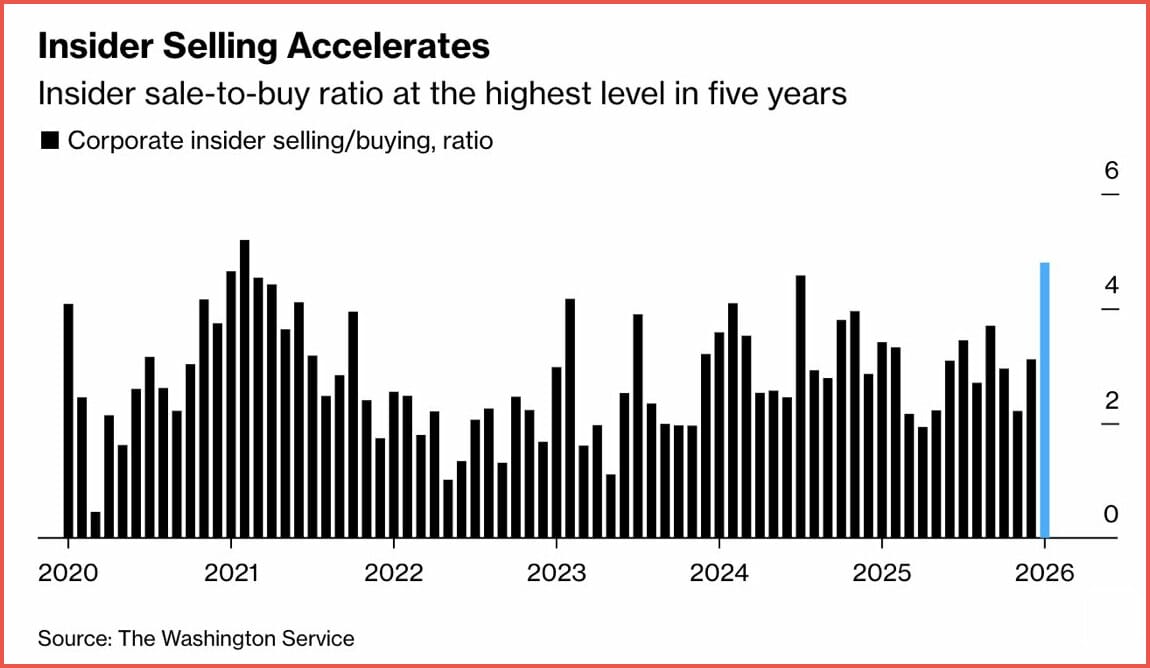
Three key reasons this matters:
- Insiders know their businesses best
When executives sell heavily, it often signals caution about near-term stock prices, even if they remain confident in the long-term business. - Strong markets encourage profit-taking
Stocks are near record highs, giving insiders an incentive to lock in gains after a strong run. - Rising uncertainty
Higher interest rates, policy uncertainty, and market volatility can make insiders more conservative with personal investments.
Bottom line:
Heavy insider selling doesn’t guarantee a market decline, but history shows it often reflects reduced confidence in near-term upside and a more cautious outlook from those closest to corporate fundamentals.
editor-tippinsights@technometrica.com