Skip to content

The Perils Of The British Bulldog Alibi

Europe’s leaders invoke 1940 to avoid confronting the realities of today’s war.

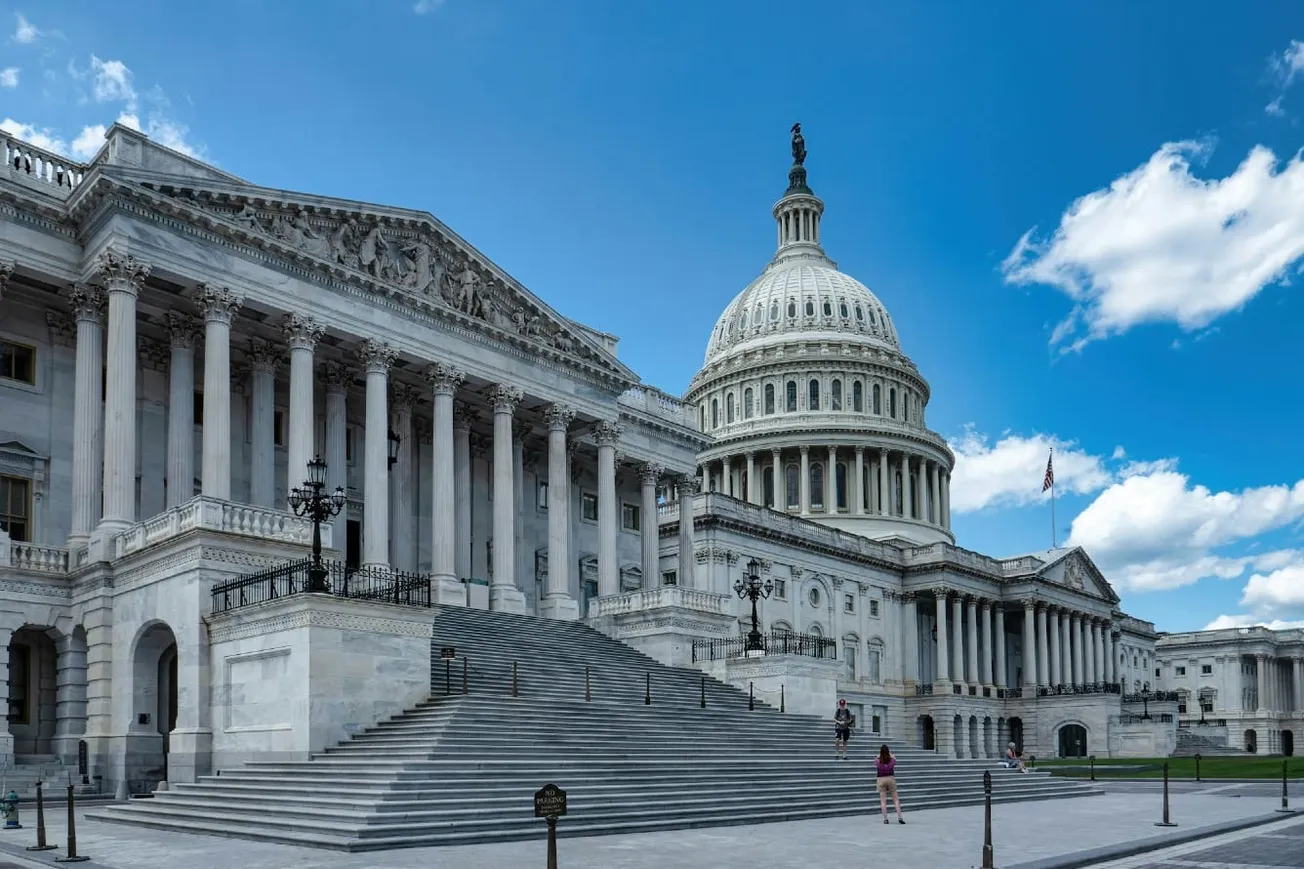
Photo by Barthelemy de Mazenod / Unsplash

As Ukrainian President Zelenskyy hops from one European capital to the next, he and his European counterparts appear to be inspired by the portrayal of Winston Churchill in the movie "Darkest Hour," down to using specific words and phrases from it.

Joe Wright's 2017 film captures one of the most consequential periods in modern history, the critical weeks in May 1940 when Winston Churchill assumed the role of British Prime Minister as Nazi Germany swept across Western Europe.

Gary Oldman's Oscar-winning portrayal of Churchill brings to life not merely a historical figure, but a study in leadership under existential pressure, the power of rhetoric, and the agonizing decisions that define pivotal moments in history.

The Historical Context

The film opens as Churchill takes office on May 10, 1940, the same day Germany invaded France, Belgium, Luxembourg, and the Netherlands.

Within weeks, the situation deteriorated catastrophically. Denmark and Norway had already fallen. The supposedly impregnable Maginot Line was bypassed. The British Expeditionary Force (BEF), along with French and Belgian troops, found themselves trapped at Dunkirk with their backs to the sea, facing annihilation.

Britain faced a genuine existential threat. If the BEF were destroyed, Britain would have virtually no army to defend against invasion. The Royal Navy and RAF remained intact, but the loss of 300,000 troops would have been catastrophic. King George VI did indeed make contingency plans for potential evacuation to Canada. Churchill himself estimated Britain's chances of survival at that moment as far from certain.

In one scene, Neville Chamberlain, the dovish former Prime Minister who resigned to make way for Churchill, joins Foreign Secretary Lord Halifax and confronts Churchill to advocate for peace through Italian mediation.

"The deadly danger here is this romantic fantasy of fighting to the end ...There's nothing heroic in going down fighting if it can be avoided. Nothing even remotely patriotic in death or glory if the odds are firmly on the former. Nothing inglorious in trying to shorten a war that we are clearly losing. Europe is lost. And before our forces are wiped out completely. Now is the time to negotiate in order to obtain the best conditions possible."

President Trump and his administration have repeatedly expressed similar sentiments, urging Ukraine and Europe to accept concessions and end the war with Russia.

Churchill replies, " When will the lesson be learned? When will the lesson be learned? How many more dictators must be wooed, appeased, Good God, given immense privileges before we learn? You cannot reason with a tiger when your head is in its mouth!"

The response of many of Europe's current leaders has been identical to Churchill's.

Churchill's genius lay in understanding something that transcended military calculus: that negotiating with Hitler from a position of weakness would not yield reasonable terms but would result in Hitler's domination of Europe. He grasped that Hitler couldn't be trusted; any "peace" would be merely a prelude to subjugation.

The speeches Churchill delivered during this period remain among the most famous in the English language: "We shall fight on the beaches, we shall fight on the landing grounds, we shall fight in the fields and in the streets, we shall fight in the hills; we shall never surrender." His words were a commitment that made retreat politically impossible. Churchill was burning bridges, making continued resistance the only acceptable path.

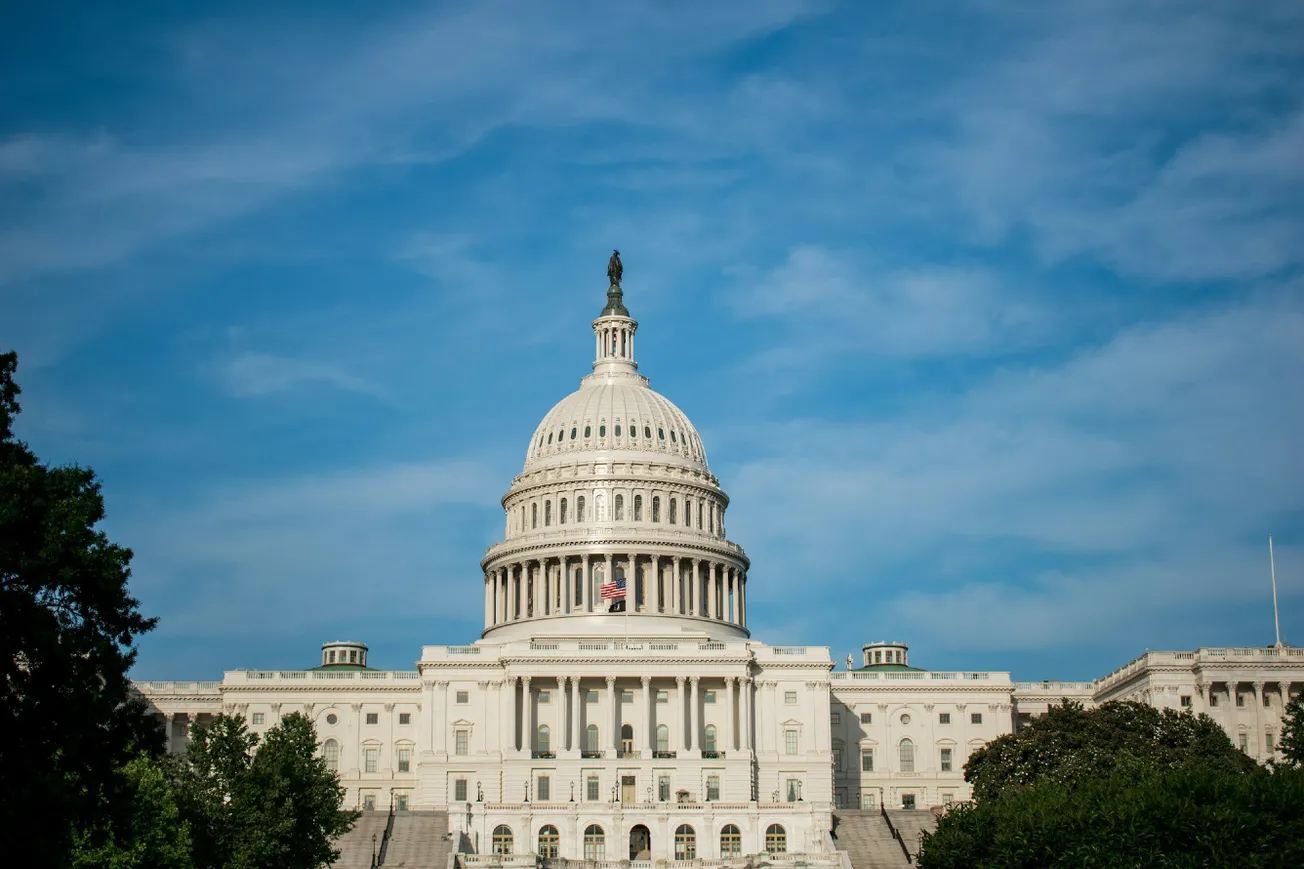
Photo by Marcos Pena Jr on Unsplash

Today, Europe's leaders have made it their mantra to replicate Churchill's commitment to resistance at every turn. The problem is that the ground realities today are far different from those of the 1940s.

Then, Norway, Denmark, Holland, and even Belgium had fallen to Hitler, not to mention Poland and Austria. Today, after nearly four years of incessant warfare, Russia has only occupied about 23% of Ukraine and has still not captured all of the Donbass region. So, how could Russia possibly expand its campaign to include all of Ukraine and then take over NATO states?

In one of the film's most potent scenes, Chamberlain confronts Churchill: "You are refusing to grasp the realities of how precarious our position is. Our entire army is about to be wiped out. Terms must be struck."

This wasn't defeatism. It was a sober assessment of Britain's military position. France was collapsing. Britain stood virtually alone. The United States remained neutral. The Soviet Union had a non-aggression pact with Hitler.

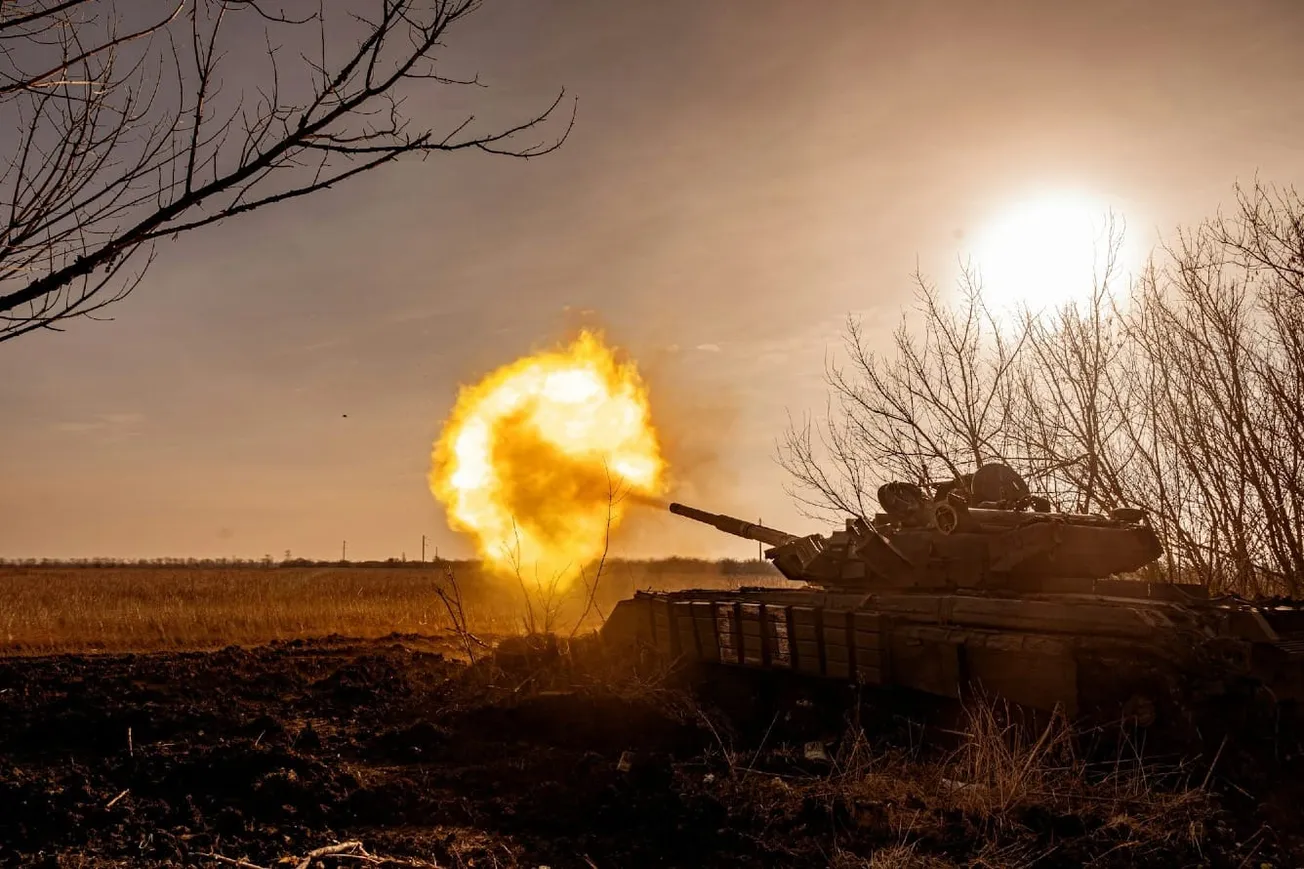
Fast forward to today, and Chamberlain's description of the United Kingdom is an excellent summary of how Ukraine is positioned. Kyiv is low on manpower, with tens of thousands of military personnel deserting each month. Russia has a 10:1 advantage in military personnel, and perhaps a 5:1 advantage in hardware. Ukraine's corruption scandals are tearing the country apart.

Halifax's position had a certain cold logic: negotiate from whatever position Britain still held before it became even weaker; wait, and Britain might have nothing left to negotiate with. The film portrays this debate with nuance, showing Halifax not as a villain but as someone making what he believed was the pragmatic choice.

Halifax's position is identical to that promoted by the Trump administration. Ukraine should negotiate when it still can, or else Russia could take even more territory.

The film’s most emotionally manipulative scene, an invented conversation with Londoners on the Underground, never occurred. The film turns on this engagement with ordinary citizens, and Churchill returns to Parliament emboldened to continue the resistance. The director took this creative liberty to drive home the point that Churchill's vision of resistance was approved by the people.

The best available evidence of Ukrainian public sentiment points in one direction. War fatigue is deep, corruption is widely believed to be endemic, and support for an open-ended fight is far weaker inside Ukraine than it appears in Western capitals. Zelensky’s continued rule under martial law has delayed elections he is widely expected to lose, creating a powerful incentive to prolong the conflict rather than resolve it. The longer the war drags on, the longer accountability is deferred.

That dynamic helps explain why European leaders cling so tightly to the mythology of 1940. The Churchill analogy does not merely flatter them. It absolves them. It transforms a grinding, costly stalemate into a moral crusade and turns compromise into cowardice. History becomes an alibi, not a guide.

Your feedback is incredibly valuable to us. Could you please take a moment to grade the article here?

Who Won 2025? Technology, By A Mile

Technology leads all S&P 500 sectors year to date, while consumer staples trail the market.


1.      TERN – Terns Pharmaceuticals Inc. – $45.00 – Biotechnology

2.      OLMA – Olema Pharmaceuticals Inc. – $33.05 – Biotechnology

3.      CDTX – Cidara Therapeutics, Inc. – $220.65 – Biotechnology

4.      GLTO – Galecto Inc. – $32.00 – Biotechnology

5.      SATS – EchoStar Holding Corp. – $107.37 – Telecom equipment

6.      KOD – Kodiak Sciences Inc. – $23.81 – Biotechnology

7.      CELC – Celcuity, LLC – $105.25 – Biotechnology

8.      LITE – Lumentum Holdings Inc. – $324.35 – Telecom equipment

9.      PRAX – Praxis Precision Medicines Inc. – $268.80 – Biotechnology

10.  COGT – Cogent Biosciences, Inc. – $42.11 – Biotechnology

11.  ARWR – Arrowhead Pharmaceuticals, Inc. – $70.09 – Biotechnology

12.  PACS – PACS Group Inc. – $34.79 – Health care providers

13.  WBD – Warner Bros. Discovery Inc. – $29.98 – Entertainment

14.  GPCR – Structure Therapeutics Inc. – $67.06 – Pharmaceuticals

15.  WDC – Western Digital Corp. – $176.34 – Computer hardware

16.  FLNC – Fluence Energy Inc. – $22.19 – Energy storage

17.  TSEM – Tower Semiconductor Ltd. – $118.94 – Semiconductors

18.  RAPT – RAPT Therapeutics Inc. – $36.80 – Biotechnology

19.  CIEN – Ciena Corp. – $218.44 – Telecom equipment

20.  GSAT – Globalstar Inc. – $73.01 – Mobile telecommunications

We’ll be back tomorrow with our look at the week’s best performing stocks and ETFs. Stay tuned.

Disclaimer: These stock picks are for informational purposes only and are not investment advice. Please do your own research before investing.

📧
Letters to editor email: editor-tippinsights@technometrica.com

Comments

Latest