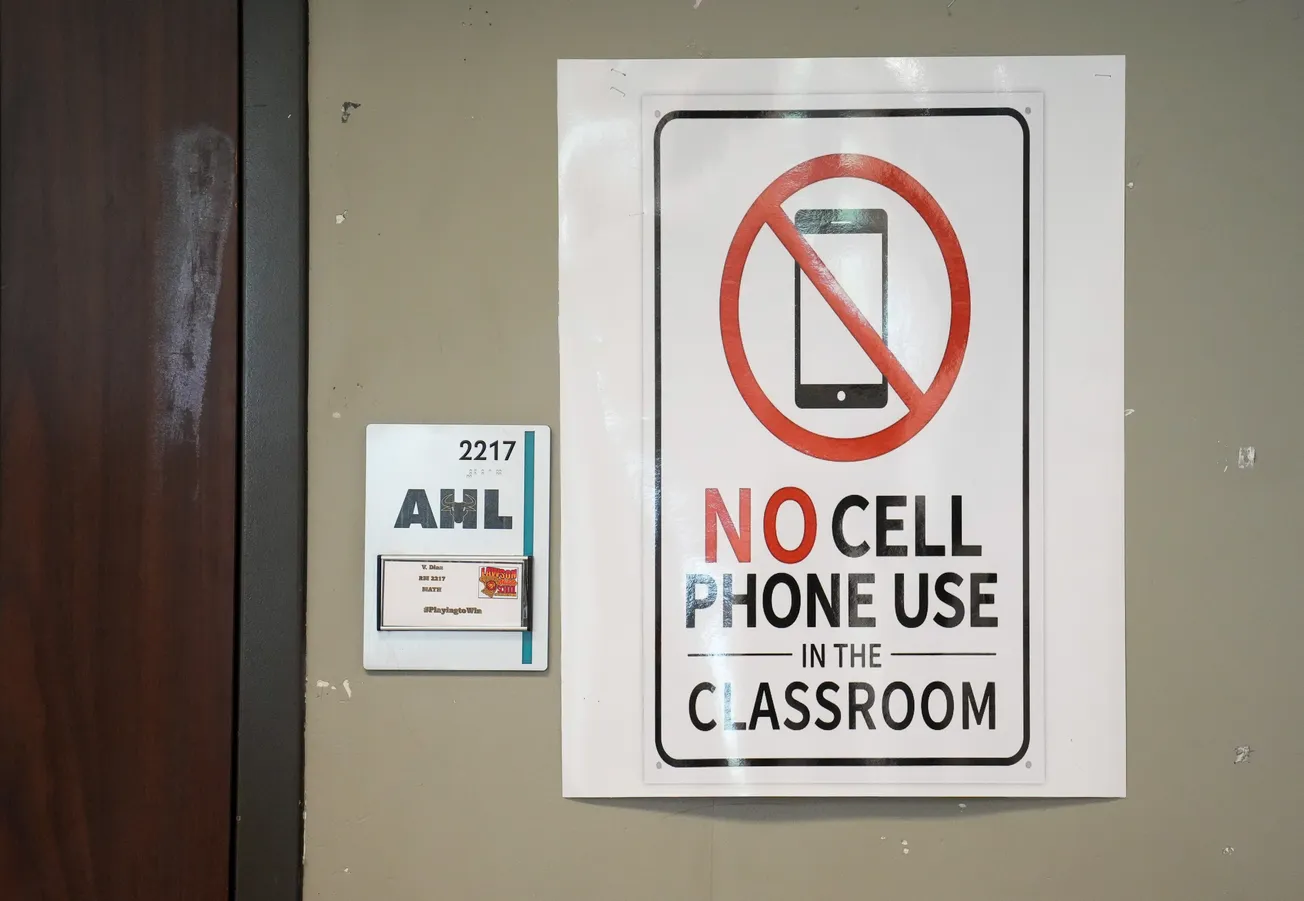
The popular media narrative is that liberal states and conservative states are so far apart ideologically that they agree on practically nothing.
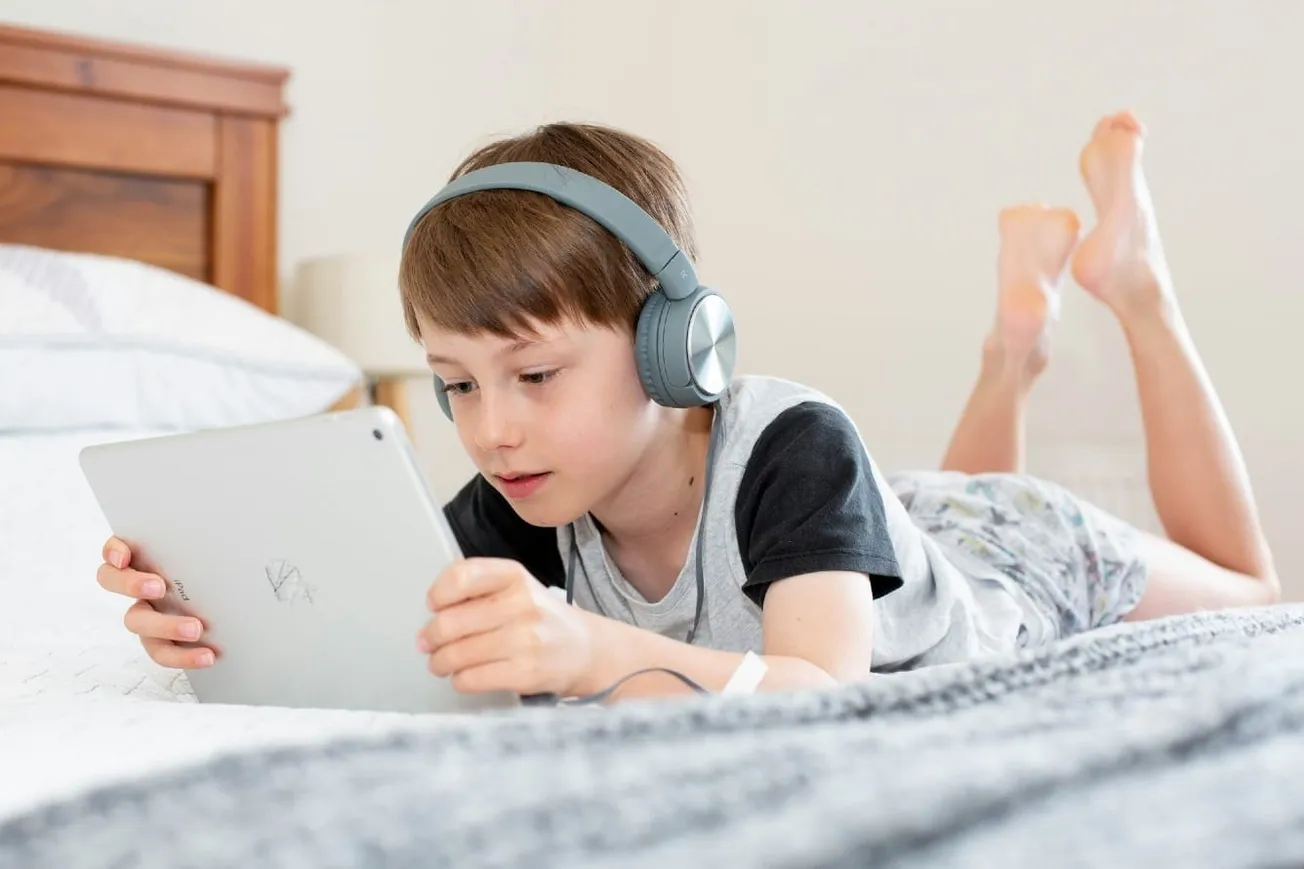
However, there is one critical exception: the policy of banning cellphones in public schools. As American schoolchildren consistently rank behind students from other countries, especially in subjects like math, science, and English, a low-hanging fruit that was available to policymakers was to enact bans on cellphone usage in schools.
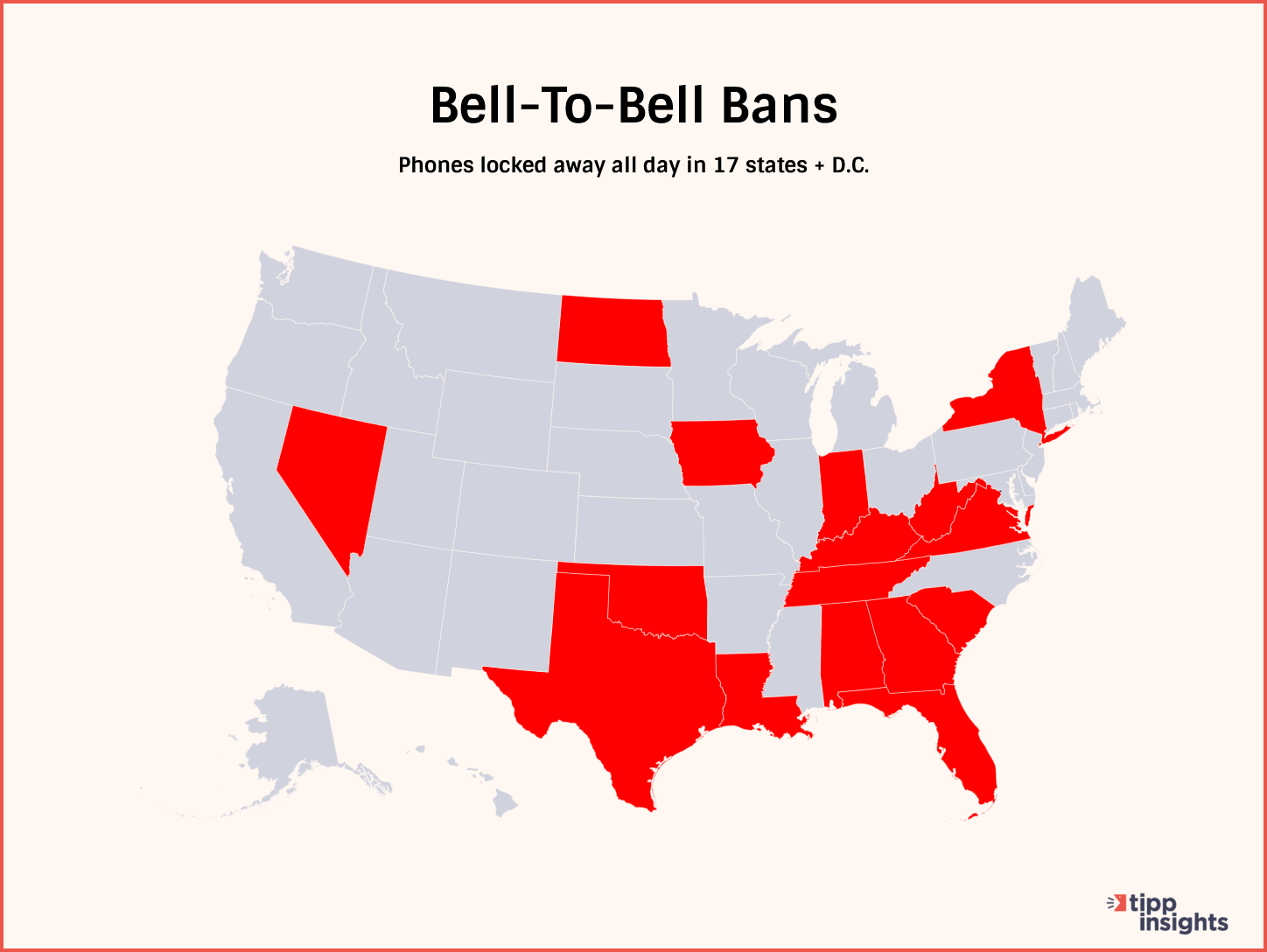
The most liberal states in the nation, such as California, New York, and Massachusetts, have joined deeply red states like Texas and Mississippi. As of August 2025, 35 states have implemented some form of cellphone ban. The most common, and indeed the hardest from a student's perspective, is the bell-to-bell ban, which is now law in 18 states. Students are prohibited from using phones throughout the entire instructional day, not just during class time.
I asked about 450 parents in a totally unscientific survey three simple questions, and kept the poll open for 24 hours. Would the parents support a ban on cellphones from bell to bell? Or are they against the ban? Or are they neutral with no opinion? [The respondents were primarily Asian American parents, mainly based in North Texas].
Out of the 77 responses, 75 voted in favor of the ban. Two respondents remained neutral. Not a single vote was cast against the ban.
Not surprisingly, students are unhappy with the new policies. One student, a high school senior with a spotless academic record and a strong chance of becoming valedictorian by the time he graduates, told me that he has an early release period this semester. He sat in his car, waiting for the air conditioning to cool the interior. As he was scanning messages, he heard a knock on the window and was surprised to find one of his favorite teachers asking him to roll down his window. "Sorry, kiddo. Please put away your phone. You are still on school property, and the ban is in effect."
Another student told me that her campus was taking a school bus full of students to a competition at another school. The bus was so packed that many students were forced to squat on the floor without seatbelts. The bus driver, presumably a new hire, was speeding down an interstate. Seated towards the back, the student, also a high school senior with a distinguished record of teaching yoga and fitness tricks to other students and parents at a volunteer organization, felt responsible to alert her father and ask him to contact the school's front office, which could radio the bus driver to slow down. She never hit the send button because the bus driver's assistant, not a school employee, caught her texting and asked her to put her phone away. The bell-to-bell ban was in effect, even though the students were not on campus.
A third student told me that these policies are silly because politicians, hoping to win votes, haven't thought through the practical implications for a high school. Often, a teacher doesn't show up to class, and the substitute teacher doesn't feel confident enough to start a new unit. The sub typically asks students to work on the previous night’s homework, just to keep them busy and occupied. However, many students who have already completed their assignments at home have no other tasks to do. There are tight restrictions on using popular social media apps on school-issued laptops. Students will have to suffer through an hour and 20 minutes of silence without access to their cellphones.
It is not difficult to be sympathetic to these student stories about what appears to be a draconian act by state governments. On balance, however, the cellphone ban could well rank as one of the most innovative K–12 policies in at least a generation.
We adults are often incapable of holding a mature conversation with another adult at a restaurant when our mobile devices beckon for attention. Children with significantly shorter attention spans are especially vulnerable. Why participate in a class discussion when they can check out the latest TikTok video of their favorite influencer?
There are also safety issues unrelated to in-class instruction. At high school gymnasiums, when student athletes take showers and change out of their clothes, every student is only a cellphone click away from being captured in an exposed position on a rival's camera. It is so easy for that student to blackmail the victim or, worse, to share a picture of that hapless student on social media. Indeed, there was a case of this kind when such an image was shared on Snapchat, which ordinarily deletes messages within 60 seconds.
The incident actually occurred in Perry County, Mississippi. In a troubling incident reported by WDAM TV, three students at Perry Central High School secretly filmed a 15-year-old student with special needs while he was using the bathroom. The video was posted to Snapchat and shared among peers. Authorities confirmed the students involved were facing serious consequences, including charges of filming someone in a private area (a felony), as well as cyberbullying and exploitation of a vulnerable person (both misdemeanors).
Safety and discipline issues aside, the main challenge facing American schools is that students are falling behind academically. The epidemic grips urban areas in all cities, especially the big cities like New York, Chicago, Los Angeles, Houston, and Washington, DC, where inner-city communities have a disproportionate share of minorities. Yet the root causes of this decline cannot be explained away by a lack of resources. Lack of investment is not a cause, as parents routinely approve tax increases and districts build state-of-the-art school infrastructure with the most modern libraries, computer labs, athletic, and fine arts facilities. Even in the country's most underprivileged districts, state and federal funds have kicked in, so that just about every student has a school-issued laptop or Chromebook with the most up-to-date software.
Clarity in a Distracted World
We cut through the noise so you can focus on what matters.
👉 Unlock full access for $99/year
Banning cellphones could change the trajectory and reverse disappointing academic decline in our nation's schools. Of course, it will take a couple of years for scholarly studies to emerge and validate this hope. With these policies in effect across both red and blue states, political bias is unlikely to play a significant role in these studies.
Rajkamal Rao is a columnist and a member of the tippinsights editorial board. He is an American entrepreneur and wrote the WorldView column for the Hindu BusinessLine, India's second-largest financial newspaper, on the economy, politics, immigration, foreign affairs, and sports.